




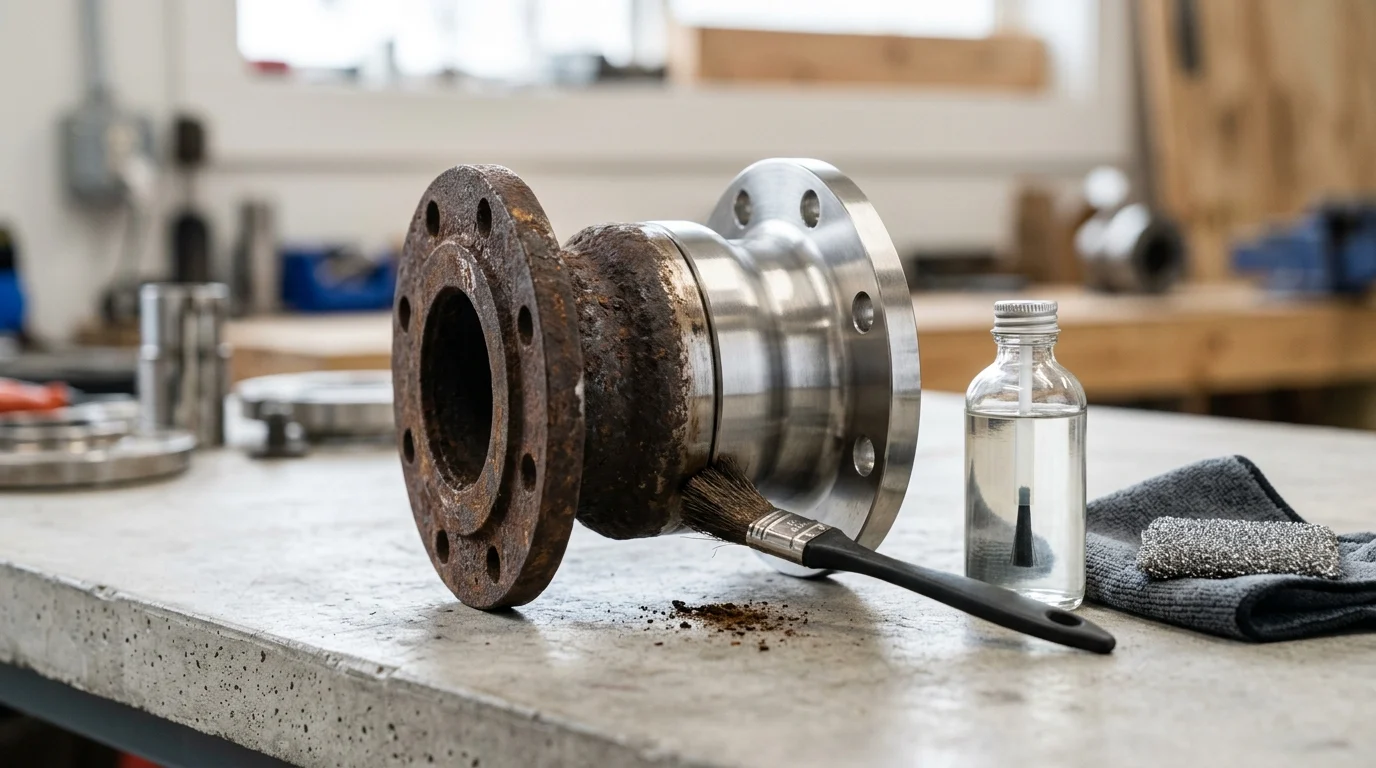
A six-point specification and sourcing guide for industrial buyers, trade distributors, and tool-brand procurement evaluating pipe brushes, chimney brushes, boiler tube brushes, and hydraulic-fitting cleaning hardware.
TL;DR — What a Buyer Should Take Away
- Six decisions matter. Driver-end thread, bristle material, brush geometry, fitting nut and ferrule, surface treatment, and the documentation stack. Getting any one wrong is a field failure; getting all six right is a clean operation.
- M12 is the European default driver-end thread. M10 for light brushes, M14 for heavy brushes. North American brushes typically use 1/2-inch or 3/4-inch ACME, or SDS-style for rotary hammer drivers.
- Bristle material has to match the substrate. Carbon steel wire for steel and cast iron pipe; stainless steel for stainless and aluminum; brass for copper and soft alloys; nylon for plastic pipe and clean-room applications.
- The fitting nut is the small component that determines whether the brush stays on the rod. A precision-machined, hardened, surface-treated nut is the difference between a brush that holds at 1200 RPM and one that unscrews itself.
- Operating speed has to match the brush. Carbon steel wire brushes run at 450-1200 RPM; stainless steel slightly lower; brass and nylon higher. OSHA 1910.169 covers the safe operation of the powered tools the brushes are fitted to.
For an industrial buyer, a trade distributor, or a tool-brand procurement manager evaluating pipe boiler cleaning hardware, the category looks deceptively simple. A brush is a brush is a brush. The reality is that the category splits across driver-end threads, bristle materials, brush geometries, and duty cycles, and a buyer who specs the wrong combination ends up with brushes that strip threads, shed wire, or fail the first time they see a heavy soot deposit. The right specification protects the operator, the pipe, and the buyer's reputation.
At Guling Hardware we manufacture pipe brushes, chimney brushes, boiler tube brushes, and the precision fitting nuts that hold them on the rod from a Yuyao facility with CNC machining and cold-heading capacity. This guide is written for the industrial buyer, the trade distributor, and the tool-brand procurement manager who has to spec a pipe-cleaning program for a customer base that runs from the boiler room to the hydraulic shop to the chimney sweep's van. By the end you should be able to read a pipe brush specification, identify which of the six decisions applies to your application, and place an order that will not generate a field failure.
Point 1 — Driver-End Thread Compatibility
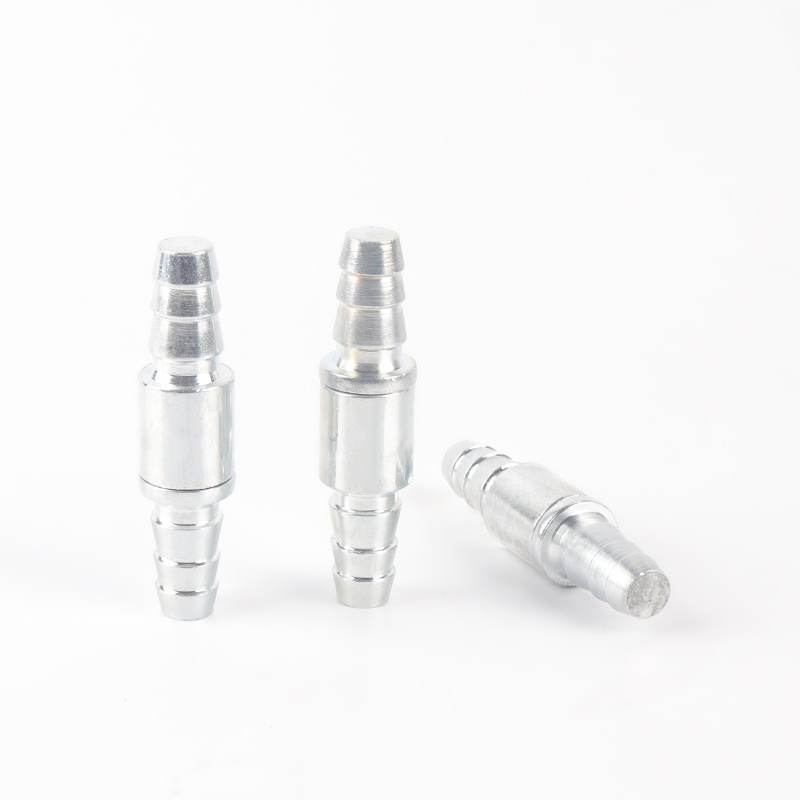
The driver-end thread is the most under-specified element of a pipe brush order, and the most common source of a field failure. The brush has to thread onto the extension rod, the connecting rod, or the driver tool, and a mismatch is a no-go at the job site.
For the European market, M12 is the dominant driver-end thread for pipe brushes and chimney brushes, with M10 as the secondary size for lighter brushes in the 20-50 mm diameter range and M14 as the upgrade size for heavier brushes in the 100-200 mm diameter range. The M12 thread is part of the metric ISO thread standard (coarse pitch 1.75 mm), and the standard pitch matches the standard thread-cutting tools available in any industrial hardware store.
For the North American market, the dominant driver-end thread is the 1/2-inch ACME thread (a trapezoidal thread form, not the standard 1/2-13 UNC), which is the traditional US chimney-sweep thread. The 3/4-inch ACME thread is the upgrade size for heavy brushes. The SDS-style shank is increasingly common for SDS-Plus rotary hammers driving the brush, particularly for boiler tube cleaning in industrial settings.
A buyer sourcing for both markets has to stock both thread families. A buyer sourcing for one market has to confirm the thread family before the order, and to confirm whether the thread is left-hand or right-hand. Left-hand threads are occasionally used on chimney brushes to prevent the brush from unscrewing itself under reverse rotation; right-hand threads are the default.
Point 2 — Bristle Material Selection
Bristle material is the second most consequential decision, and the one most likely to be wrong on a buyer's first order. The rule is simple: the bristle material has to match the substrate being cleaned. A mismatch can cross-contaminate the cleaned surface with foreign metal particles, which is a real problem in food-grade, pharmaceutical-grade, and clean-room applications.
The four standard bristle materials cover the bulk of industrial applications:
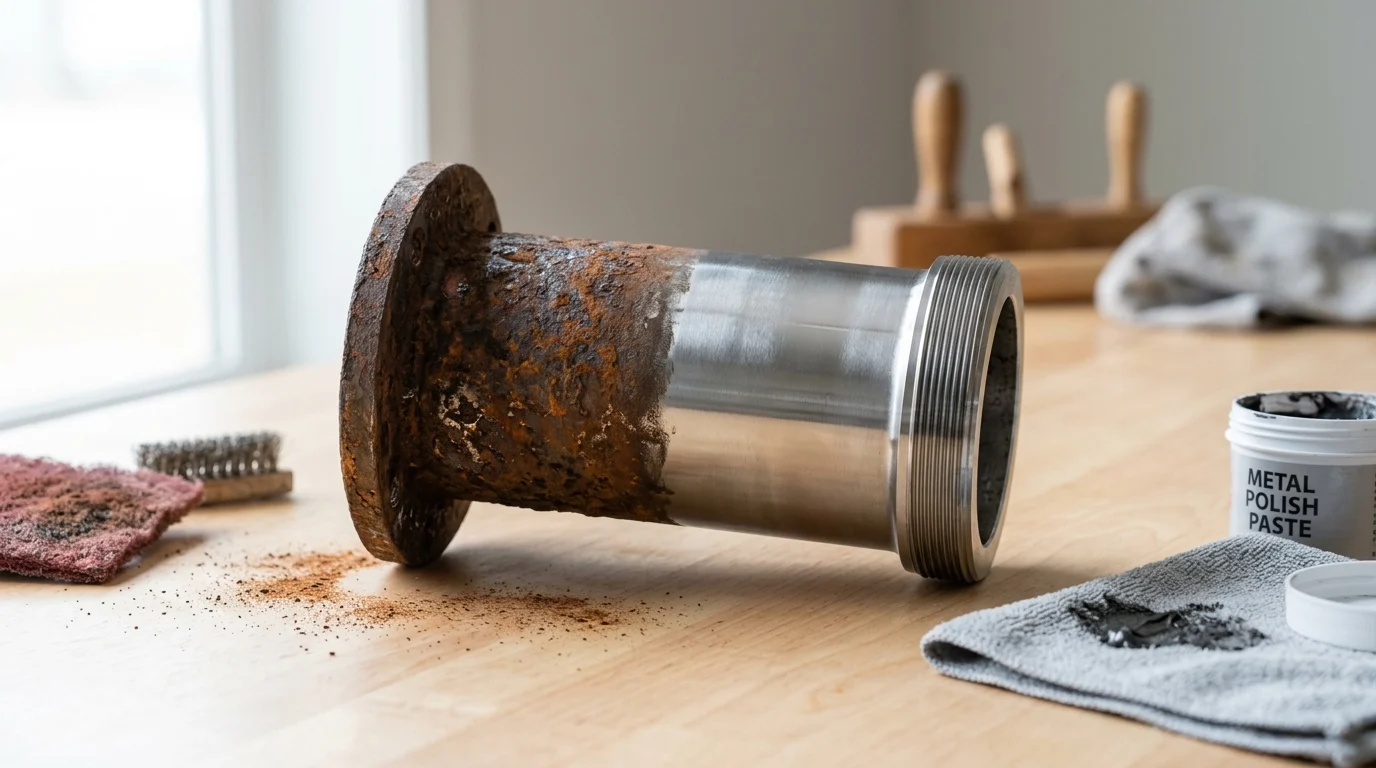
- Carbon steel wire — the workhorse for steel and cast iron pipe cleaning. The wire is tough, aggressive, and inexpensive. The downside is that carbon steel brushes shed fine wire particles that will rust on the cleaned surface, so carbon steel brushes are unsuitable for stainless steel pipe and for any application where rust contamination is unacceptable.
- Stainless steel wire — for stainless steel and aluminum pipe cleaning. The wire is more brittle than carbon steel (and breaks more easily under reverse bending), but it does not contaminate the cleaned surface with carbon steel particles. Stainless brushes are also more expensive.
- Brass wire — for copper, brass, and soft-alloy pipe cleaning. Brass is softer than steel and will not scratch soft metal surfaces. Brass brushes are also used for applications where the cleaned surface must not be cross-contaminated with iron.
- Nylon and polypropylene — for plastic pipe, for clean-room applications, and for any pipe where metallic contamination is unacceptable. Nylon and polypropylene brushes are also used for the final polish on stainless steel pipe after a stainless wire brush has done the heavy cleaning.
A buyer specifying a pipe-cleaning program should specify the bristle material in the part number, not in a separate line of the PO. A buyer who orders "pipe brush M12 75 mm" without specifying the bristle material will receive whatever the supplier has in stock, which may not match the substrate.
Point 3 — Brush Geometry
The brush geometry is the third decision, and it depends on the pipe diameter, the deposit being cleaned, and the access geometry (whether the brush has to negotiate bends, tees, or diameter changes).
The four standard geometries are:
- Straight pipe brush — the most common geometry. The bristles are wrapped around a straight metal wire shaft, and the brush is pushed down the pipe by the connecting rod while rotating. Diameter range typically 10-200 mm, with length exceeding the practical range up to about 1000 mm for a single brush.
- Cup-shaped pipe brush — the bristles face forward on a cup-shaped ferrule, used to clean the end face of a pipe, the flange face, or the area near the mouth inside the pipe. Used for end-of-pipe cleaning rather than full-length internal cleaning.
- Spiral pipe brush — the bristles are arranged in a spiral pattern around the shaft, giving a more aggressive cutting action for thick rust, welding slag, and cement residue. Spiral brushes are slower to push through the pipe but cut faster on hard deposits.
- Single-helix boiler tube brush — the bristles are wound in a single helix, giving a smaller-diameter brush that can negotiate the tight bends of a boiler tube or a heat exchanger tube. The single-helix pattern allows the brush to be pushed by rotation alone, without the linear force a straight brush needs.
A buyer specifying a boiler cleaning program should specify the brush geometry explicitly. Boiler tubes typically require the single-helix geometry because the tube has tight bends and a small internal diameter. Chimney flues typically take the straight geometry because the flue is straight and the diameter is large. Hydraulic pipe typically takes the straight geometry with stainless or brass bristles depending on the substrate.
Point 4 — Fitting Nut, Ferrule, and Locking
The fitting nut and ferrule are the small components that hold the brush on the rod, and they are the most common source of a brush failure in the field. A brush that works loose under high-speed rotation either fails to clean the pipe or damages the pipe wall; either outcome is a service call the buyer does not want.
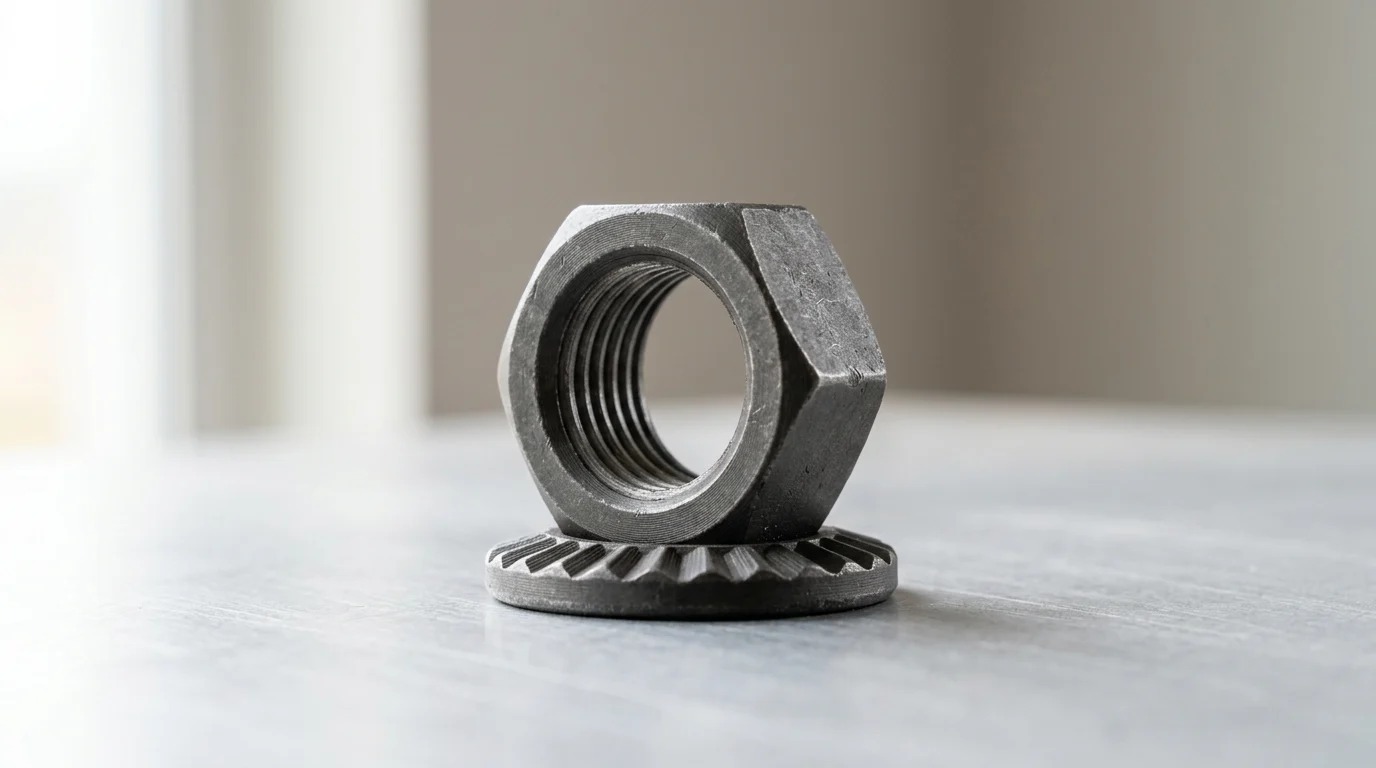
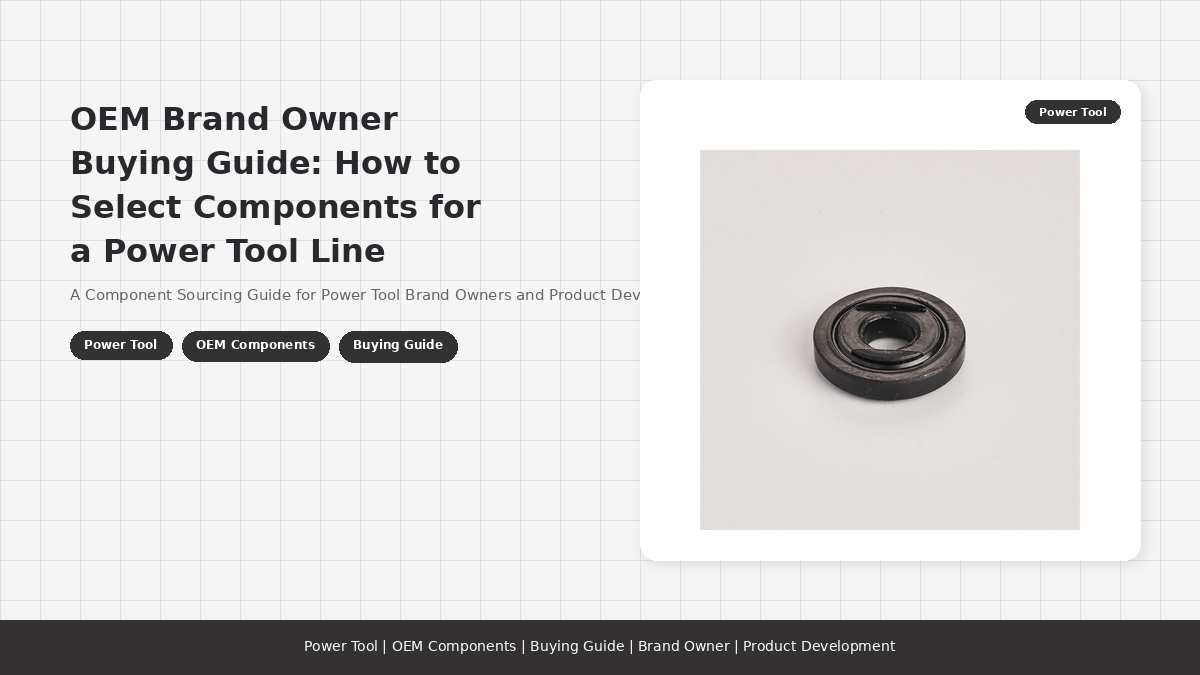
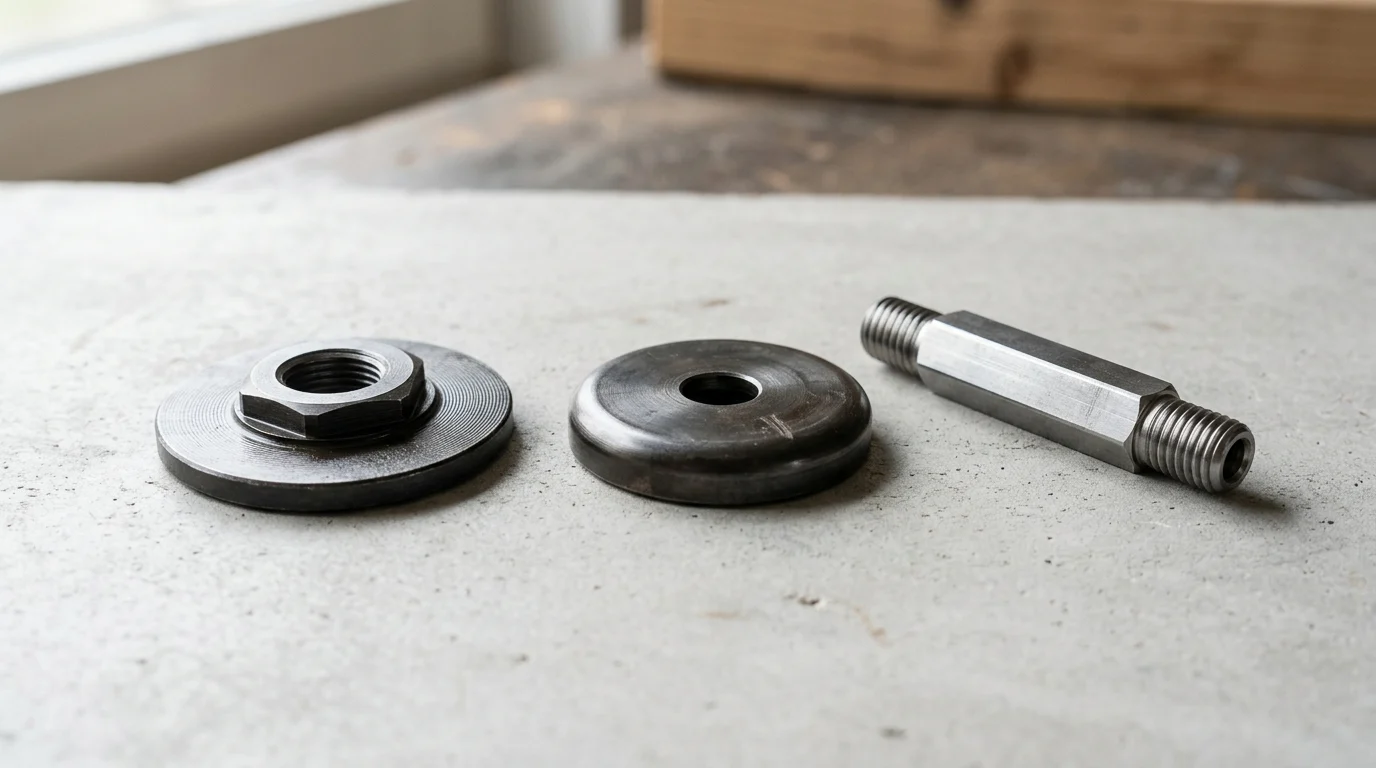
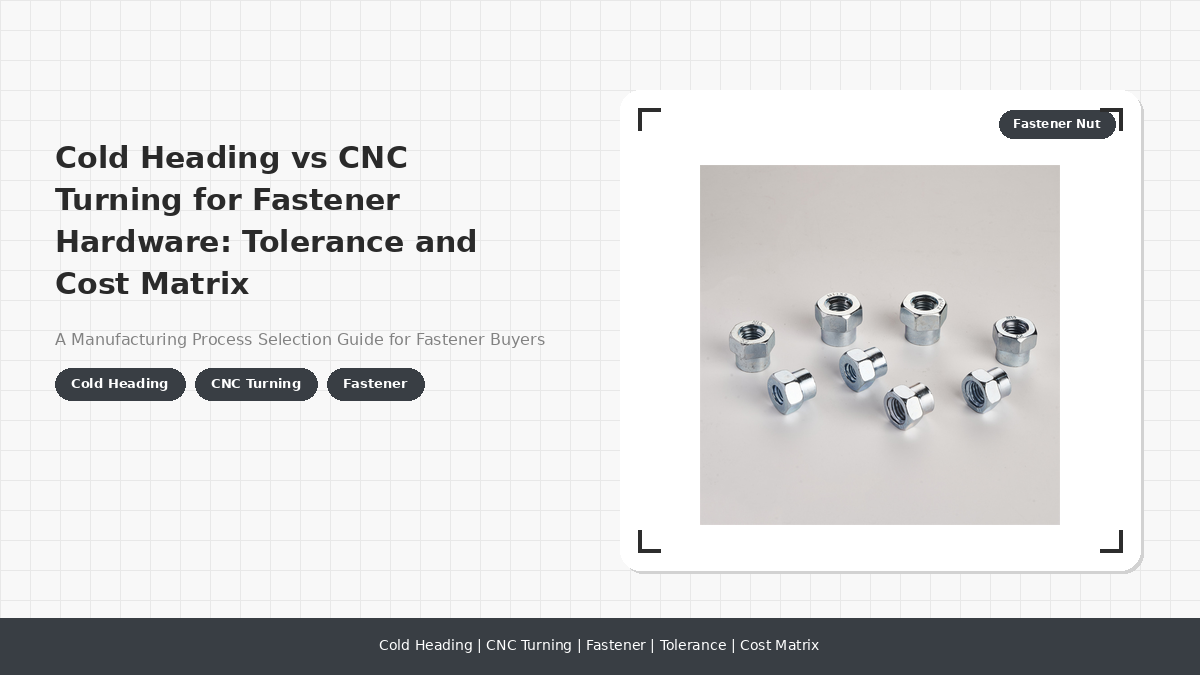
The standard fitting nut for an M12 brush is a precision-machined medium-carbon-steel nut with internal M12 threads, hardened and tempered for vibration resistance, and surface-treated (galvanized or blackened) for corrosion resistance. The nut clamps the brush head onto the rod end and prevents the brush from loosening or turning around under high-speed rotation. Our M12 pipe brush nut is one example of the type, with the medium-carbon-steel body, the galvanized or blackened finish, and the standard M12 internal thread.
The ferrule is the swaged or crimped component that holds the bristles in the brush head. A quality ferrule is swaged onto the bristle bundle with a controlled-diameter crimp that grips the bristles without crushing them. A budget ferrule is a stamped sleeve that holds the bristles loosely, and the first sign of a budget ferrule is bristle loss in service.
A buyer should specify the nut material, the nut surface treatment, and the ferrule swaging method in the part number. A buyer who orders "pipe brush M12 75 mm carbon steel" without specifying the nut and ferrule will receive whatever the supplier uses, which is not always the right answer.
Point 5 — Surface Treatment and Corrosion Resistance
The surface treatment on the brush components (the shaft, the ferrule, and the nut) determines how the brush performs in a humid, oily, or chemically exposed environment. For boiler-room and hydraulic-line applications, the surface treatment has to handle the moisture and the chemical exposure without corroding or contaminating the cleaned surface.
The three standard surface treatments are:
- Galvanized (zinc plated) — the standard for general industrial use. The zinc coating protects the steel components from corrosion in humid environments. Galvanizing is also relatively inexpensive and does not add significant thickness to the components.
- Blackened (black oxide) — for applications where the appearance or the low-reflectivity of the finish matters. Blackening provides modest corrosion resistance (better than bare steel, less than galvanizing) and is common on chimney-sweep brushes where the operator prefers the non-reflective finish.
- Stainless steel — for the most demanding applications. The shaft, the ferrule, and the nut are all stainless, and the surface treatment is the material itself. Stainless brushes are the most expensive but the most durable, and they are the right answer for chemical processing, pharmaceutical, and food-grade applications.
A buyer specifying a surface treatment should also specify the relevant standard. For galvanized components, the relevant references are ASTM A123/A123M for hot-dip galvanizing and ASTM B633 for electrodeposited zinc plating; the equivalent ISO reference is ISO 1461 for hot-dip galvanizing. For stainless components, the relevant reference is ISO 3506 for stainless steel fasteners (the A2 / A4 / A8 grade designations). For the European buyer, the equivalent DIN references are DIN 267-10 for galvanized steel fasteners and DIN 912 for socket head cap screws, and the BSI reference is BS 7371 for the property classes of steel fasteners.
Point 6 — Documentation and Compliance Stack
The documentation stack is the final decision, and the one the buyer's quality department cares about most. A pipe brush shipment from a Chinese manufacturer should travel with the same documentation package as any other industrial component, and a buyer should not accept a PO that ships without the documents.
The minimum documentation stack for a pipe brush shipment is:
- Material certificate for the wire — carbon steel grade, stainless steel grade, brass grade, or nylon grade, with the heat lot and the supplier's test results for chemistry and tensile strength.
- Material certificate for the shaft — typically medium-carbon steel or stainless steel, with the heat lot and the test results.
- Heat-treatment certificate for the hardened components — the nut and the ferrule, with the hardness value (typically HRC 38-45 for a carbon-steel nut) and the test method.
- Dimensional inspection report — the brush diameter, the brush length, the bristle trim length, and the driver-end thread size, measured against the part drawing.
- Packaging list — the per-SKU count, the lot number, and the gross/net weight.
A buyer who works with a serious supplier will get all five documents on demand, tied to the specific lot. A buyer who works with a budget supplier will get generic certificates or no certificates, and the field failures that result will be untraceable back to the manufacturer.
For shipments into the EU specifically, the relevant regulatory framework is the CE marking framework administered under the Machinery Directive (2006/42/EC) and the broader European Commission regulatory framework for product safety. CE marking is not mandatory for a hand-held cleaning brush that is not a powered tool in itself, but if the brush is sold as a kit with a driver tool, the kit falls under the Machinery Directive and the CE marking applies to the kit. A serious supplier will walk the buyer through the CE question on a case-by-case basis.
For shipments into the US specifically, the equivalent safety framework is UL listing for the powered tools and OSHA enforcement of the operating standards. For shipments into industrial and oil-and-gas applications specifically, the ASME boiler and pressure vessel standards cover the boiler tubes and pressure piping the brushes are designed to clean, and a serious supplier should be able to reference the relevant ASME section (typically ASME BPVC Section I for power boilers and Section VIII for pressure vessels) when the buyer specifies an industrial or oil-and-gas application.
For the safety testing of the powered tools the brushes are fitted to, the relevant US reference is OSHA 1910.169 on the safe operation of portable powered tools, and the relevant European reference is the EN 60745 series for hand-held motor-operated electric tools (which covers the safety of the driver, not the brush). The buyer should specify which driver tools the brushes will be fitted to, so the supplier can match the brush's safe-operating-RPM rating to the driver's no-load speed. For the energy and efficiency framework that sits behind the driver tool's electrical input, the IEA's industry-energy data and the relevant national efficiency standards (US DOE, EU Ecodesign) provide the broader context the buyer can cross-reference against.
Side-by-Side: How the Six Decisions Map to a Buyer's Specification
Below is the six-point specification matrix a buyer can use to translate the buyer's application into a defensible purchase order. The matrix is set up as a per-decision checklist that the buyer's purchasing team can fill in before placing the order.
| Decision | What to specify | Common options |
|---|---|---|
| 1. Driver-end thread | Thread size and hand, matching the connecting rod or driver | M10 / M12 / M14 (EU); 1/2-13 UNC or 1/2-ACM / 3/4-ACM (US); SDS-Plus (rotary hammer) |
| 2. Bristle material | Material matching the substrate being cleaned | Carbon steel; stainless steel; brass; nylon / polypropylene |
| 3. Brush geometry | Geometry matching the pipe access and the deposit | Straight; cup-shaped; spiral; single-helix (boiler tube) |
| 4. Fitting nut & ferrule | Material, hardness, surface treatment, swage method | Medium-carbon steel, HRC 38-45, galvanized or blackened; stainless for demanding applications |
| 5. Surface treatment | Treatment matching the operating environment | Galvanized (general); blackened (low-reflectivity); stainless (chemical / food / pharma) |
| 6. Documentation | Material cert, heat-treat cert, dimensional report, packaging list | Per-lot certificates on demand; tied to the specific shipment |
What Buyers Get Wrong About Pipe Brush Sourcing
Across the orders we work with, three mistakes show up often enough to flag.
Mistake 1 — specifying the brush diameter without specifying the substrate. The buyer orders "M12 75 mm pipe brush" without specifying whether the substrate is steel, stainless, brass, or plastic. The supplier ships whatever is cheapest, which is usually a carbon steel brush, and the buyer cross-contaminates the cleaned surface with rust particles. The right answer is to specify the substrate first, then the bristle material, then the brush diameter.
Mistake 2 — over-driving the brush. The buyer fits an 1800 RPM cordless drill to a carbon steel wire brush rated for 1200 RPM. The wire bristles fatigue and shed within minutes, and the operator is exposed to flying wire. The right answer is to specify the brush's safe-operating-RPM rating and to fit the brush to a driver that runs within that range.
Mistake 3 — accepting the generic certificate. The supplier ships a generic material certificate that covers the supplier's product line in general, not the specific lot being shipped. The buyer cannot trace a field failure back to a specific heat lot, and the supplier denies responsibility. The right answer is to require per-lot certificates tied to the specific shipment.
Where This Connects to Your Specification
Specifying pipe and boiler cleaning hardware is the first of three decisions a buyer makes. The second is the driver-tool compatibility (which driver tool the brush fits, and whether the driver tool is CE-marked or UL-listed for industrial use), and the third is the supply-chain documentation stack for the destination market's regulatory regime. The six-point checklist is the structure for all three decisions.
If you are at the specification stage and have not yet locked the brush, send us your application (boiler tube cleaning, chimney sweeping, hydraulic pipe descaling, food-grade pipe cleaning), your substrate (steel / stainless / brass / plastic), your driver-end thread (M12 / M10 / M14 / ACME / SDS), and your destination market. We will return a sample brush across our pipe brush, chimney brush, and fitting nut lines, with per-SKU pricing, per-SKU material certificate availability, and per-SKU lead time for your destination port. From there the driver-tool and supply-chain documentation decisions usually fall out cleanly.
Request a Pipe Brush Specification Sample
Send us your application, substrate, driver-end thread, and destination market. We will return a sample brush across our pipe brush, chimney brush, and fitting nut lines, with per-SKU pricing, material certificate availability, and lead time for your destination port.