




A small flange can decide whether an angle grinder runs smoothly or becomes a serious job-site hazard. For tool distribution businesses, replacement pressure plates, locking nuts, and conversion rods are not just accessory SKUs; they directly affect safety, compatibility, customer trust, and repeat orders. With grinders commonly operating at 11,000–12,000 RPM, weak materials, poor thread fit, or off-center adapters can lead to vibration, disc damage, and costly returns. This guide explains what distributors should evaluate when selecting upper and lower pressure plates, how arbor sizes and thread standards vary by market, and why precision-machined conversion rods are essential for building a reliable angle grinder accessory lineup.
Why Angle Grinder Upper and Lower Flanges Matter
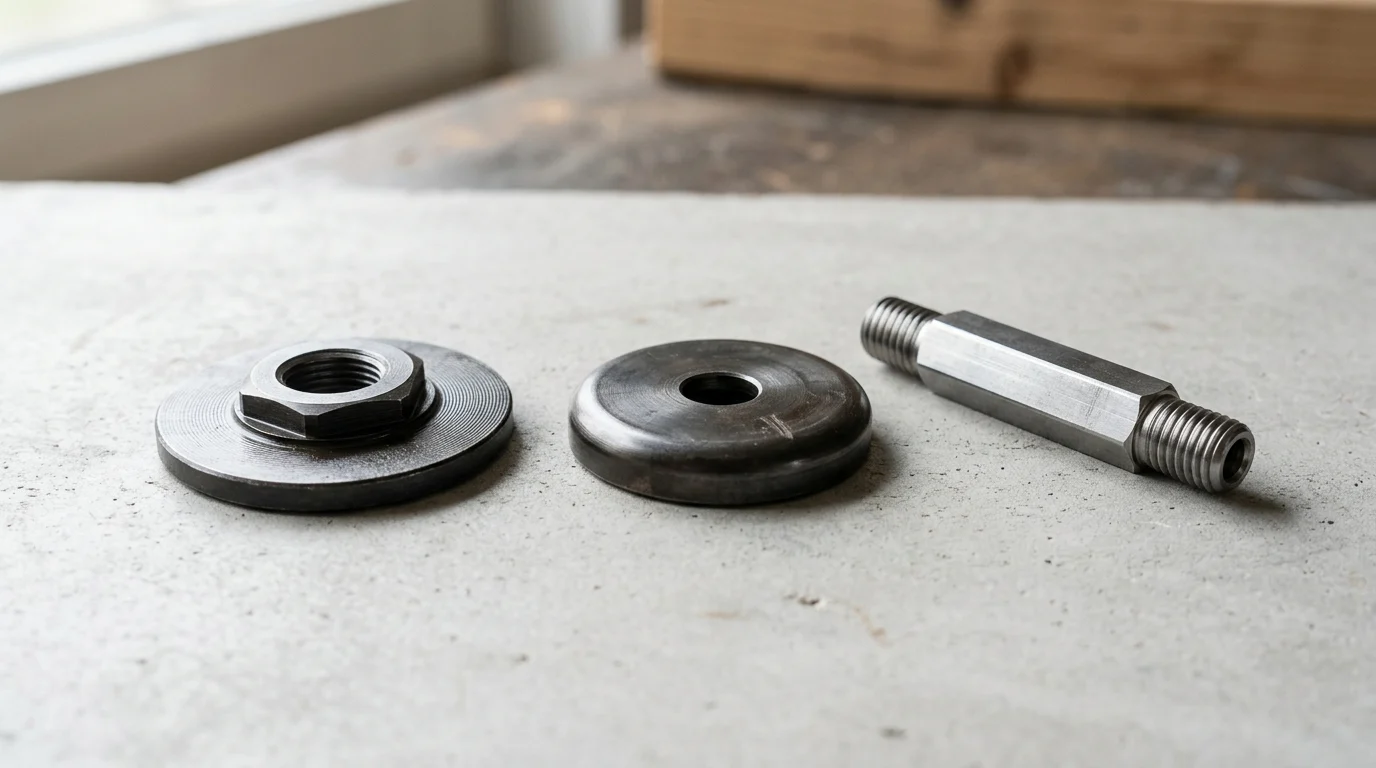
When supplying tool distributors, the focus is often heavily placed on the power tools themselves, while the critical components of the job site—the upper and lower flanges—are completely overlooked. Also known as clamping flanges or locking nuts, these small components, along with arbor adapters (frequently referred to as conversion rods), are what actually keep grinding discs locked safely in place. For distributors supplying professional metalworkers or contractors, stocking reliable replacement flanges isn't just a nice-to-have addition to a catalog; it is a critical safety requirement.
Stocking cheap, poorly machined accessories can quickly ruin a distributor's reputation. A failing flange doesn't just cause a slight inconvenience—it can lead to catastrophic disc failures. Understanding the mechanics and fitment of these replacement parts is the first step toward building a more profitable and reliable tool accessory lineup.
Key Functions and Product Definition
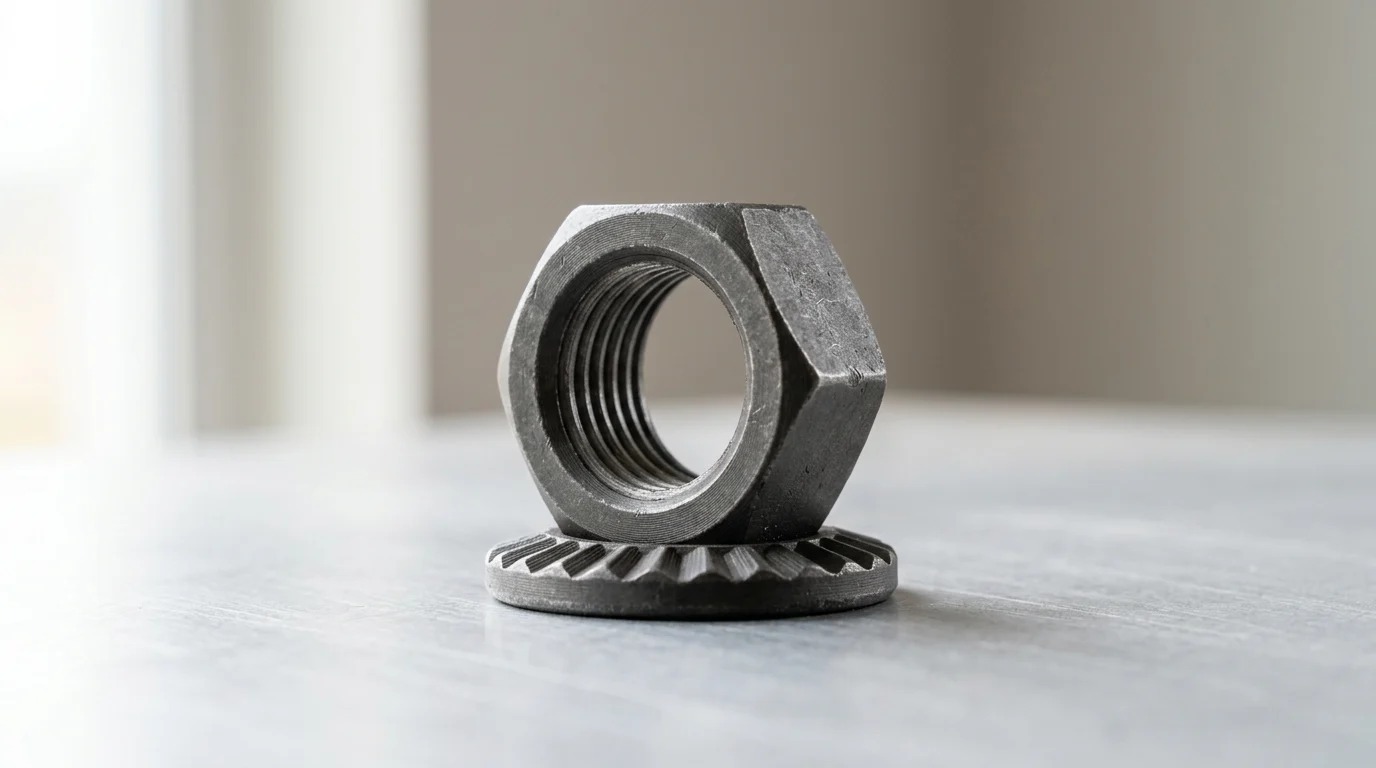
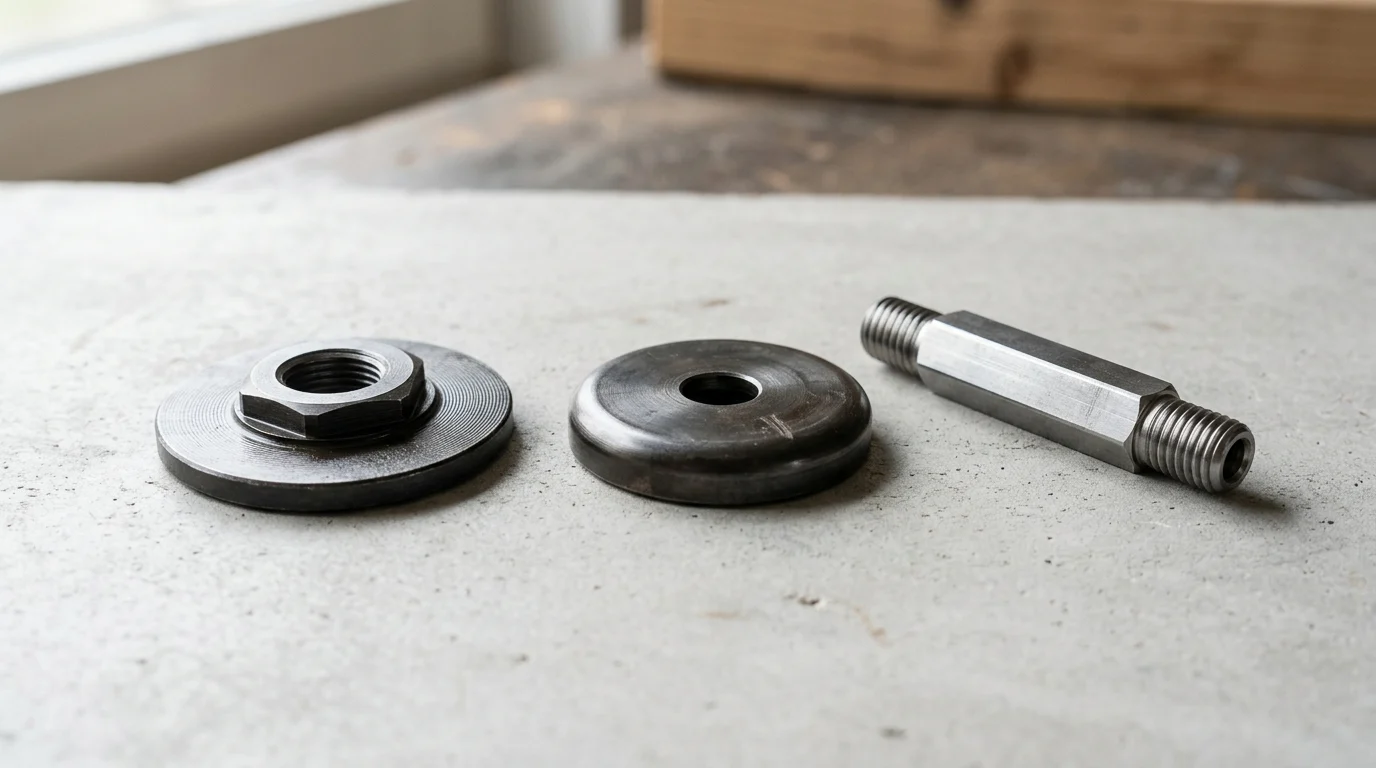
The lower flange acts as the backing pad, seating securely onto the grinder's spindle to provide a flat, stable base. Meanwhile, the upper flange—the locking nut—threads on top to sandwich the abrasive wheel tightly. At standard operating speeds routinely hitting 11,000 to 12,000 RPM, any structural failure here means a loose disc and a massive safety hazard. Compliance with recognized safety standards, such as EN 60745 or ANSI, is essential to ensure these components can withstand high-speed operational stresses.
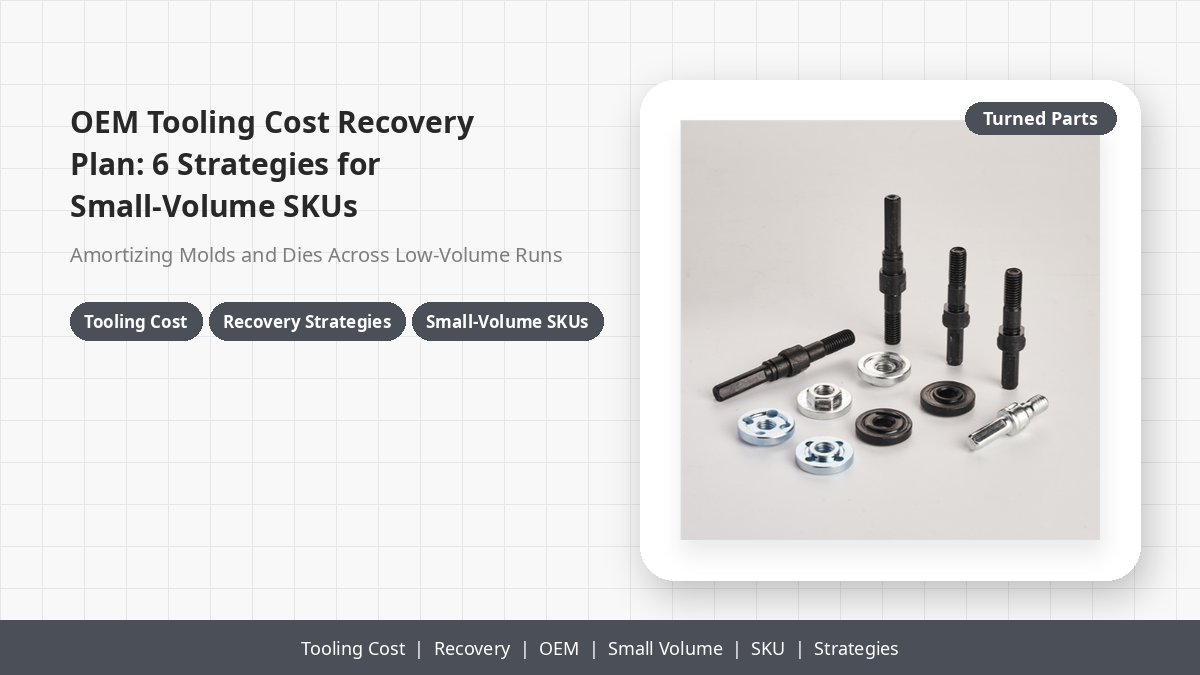
A high-quality flange set ensures that the clamping force is evenly distributed across the center of the grinding wheel. This prevents disc warpage, excessive vibration, and shattering during heavy material removal. Arbor adapters play a similarly vital role. They allow a grinder to adapt to different accessory threads securely—like attaching a specialized diamond core bit or a heavy-duty wire cup brush—without compromising the tool's rotational balance.
Compatibility by Model, Arbor Size, and Thread
Distributors cannot stock one universal size and expect it to serve an entire customer base. Buyers must match the arbor size and thread pitch precisely to their regional market demands. For instance, most European and Asian markets rely heavily on an M14 thread pitch, while the US standard is typically 5/8"-11. The arbor hole for standard 4.5-inch and 5-inch discs is almost universally 22.23mm (7/8"). However, it is critical to note that many major grinder brands use proprietary flange designs and spindle locks. Distributors should advise end-users to verify OEM part numbers rather than relying solely on thread pitch and arbor size.
When stocking arbor adapters—say, for adapting an M10 spindle to fit an M14 accessory—they must maintain perfect concentricity. Loose tolerances can cause enough vibration to numb an operator's hands in minutes and create severe safety risks. Stocking the wrong fit, or parts with poorly machined threads, results in immediate returns and dissatisfied end-users.
How to Compare Upper and Lower Flange Options
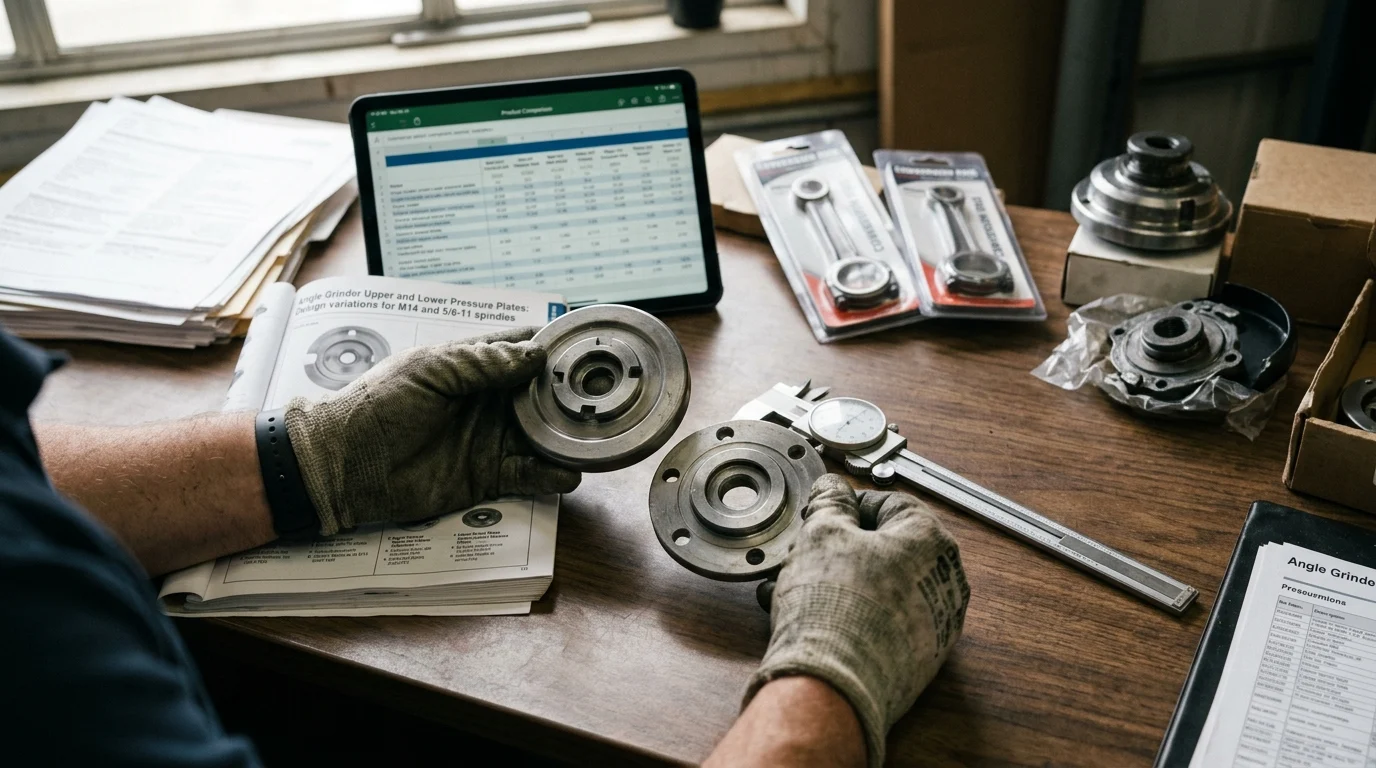
Differentiating a premium flange set from a cheap alternative comes down to what happens on the factory floor before the parts ever hit warehouse shelves. As a distributor, it is vital to know exactly what specifications to demand from manufacturing partners.
Material Grade, Dimensions, and Finish
The primary evaluation metrics are material grade, dimensional accuracy, and surface finish. Most reliable flanges are forged from durable medium carbon steel, such as AISI 1045, which balances hardness with enough toughness to resist cracking under extreme torque. Cold heading aligns the metal's grain structure, making the threads much more resistant to stripping compared to cheap cast alternatives.
| Feature | Standard Quality | Premium Quality |
|---|---|---|
| Base Material | Cast Iron / Low Carbon | Forged AISI 1045 Carbon Steel |
| Surface Finish | Bare / Thin Zinc | Black Oxide / Thick Zinc Plating |
| Runout Tolerance | Standard commercial variance | High-precision concentricity |
| Lifespan (Avg) | Standard wear rate | Extended industrial use |
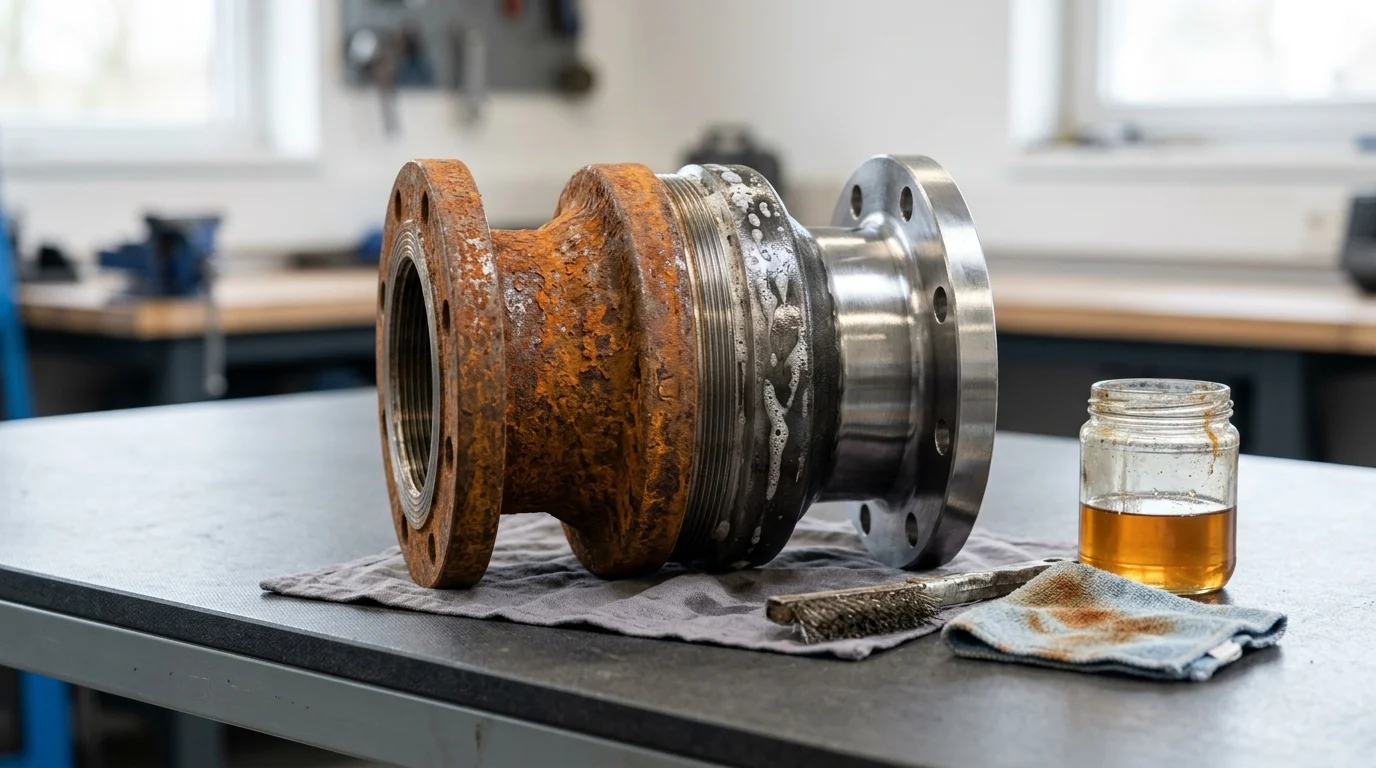
If the finish is uneven or flaky, it is a major red flag. Black oxide or a robust zinc plating is essential to prevent rust, especially for contractors working in damp outdoor conditions or storing their grinders in humid toolboxes.
Quality Signals for Reliable Sourcing
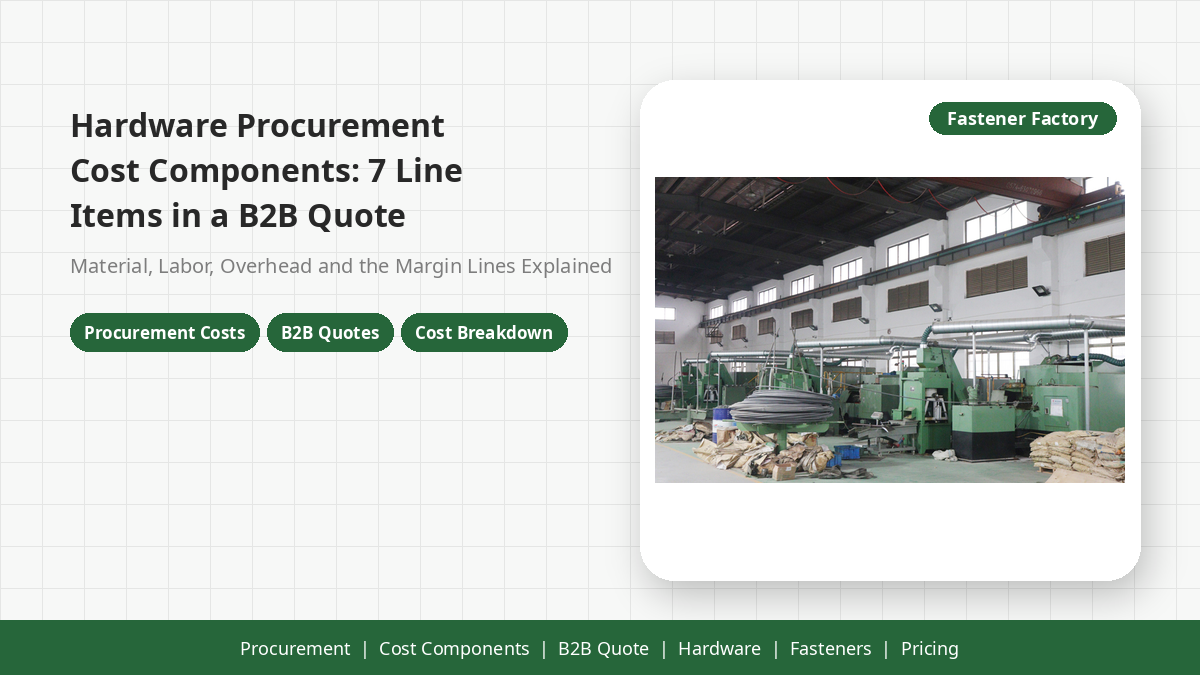
When evaluating a batch of clamping flanges or arbor adapters, consistency is the most important factor. Premium parts are produced using advanced cold heading and precision forging. Facilities that run fully automatic CNC machine tools can easily hold tight tolerances batch after batch, ensuring uniform performance across thousands of units.
Premium arbor adapters should exhibit minimal dynamic runout to maintain tool balance. When a supplier utilizes automatic tapping machines and rigorous testing instruments to verify thread pitch, defect rates drop significantly. For a tool distribution business, a consistently low defect rate translates directly into fewer customer service headaches and stronger brand loyalty.
Practical Sourcing Steps for Tool Distributors
Building a reliable supply chain for angle grinder accessories takes diligence, but doing it right protects profit margins and business reputation. Treating these small replacement parts with the same purchasing rigor as the expensive power tools themselves pays off immensely.
Build a Distributor-Grade Purchasing Process
A purchasing process must be built for distribution scale. Buying in tiny batches often compromises consistent quality and competitive pricing. Negotiating MOQs (Minimum Order Quantities) in the 3,000 to 5,000 set range is usually the sweet spot where manufacturers will run a dedicated, high-consistency batch on their automated CNC lines rather than pulling from mixed, aging stock.
Standard production lead times of 15 to 25 days, plus international shipping, must also be factored in. Building a 45 to 60-day buffer into inventory planning ensures distributors avoid stockouts during peak construction seasons when contractors are burning through grinding discs and frequently replacing locking nuts on job sites.
Choose Suppliers by Quality, Cost, and Delivery
Finally, picking the right manufacturing partner is about balancing quality, cost, and delivery. Sourcing from suppliers based in mature manufacturing clusters—like Ningbo, China—provides access to a comprehensive supply chain system that can source raw materials and finish parts efficiently.
Look for a partner offering integrated metal forming solutions rather
Key Takeaways
- Stock flange sets by regional thread standards, with M14 prioritized for many European and Asian markets and 5/8"-11 for the United States.
- Verify OEM part numbers because many grinder brands use proprietary flange designs even when arbor size and thread pitch appear compatible.
- Choose pressure plates with precise machining and flat clamping surfaces to reduce vibration, disc warpage, and high-speed safety risks.
- Require conversion rods and arbor adapters to maintain perfect concentricity, as loose tolerances can create severe vibration and user discomfort.
- Treat upper and lower pressure plates as safety-critical inventory, not low-value add-ons, because failure at 11,000–12,000 RPM can be catastrophic.
Frequently Asked Questions
Why are angle grinder upper and lower pressure plates important?
They clamp the grinding disc securely to the spindle. At speeds of 11,000–12,000 RPM, poor clamping can cause vibration, disc warpage, or dangerous disc failure.
What thread sizes should tool distributors stock?
Stock according to your target market. M14 is common in Europe and Asia, while 5/8"-11 is typical in the United States. Always verify grinder compatibility before bulk purchasing.
Are angle grinder flanges universal?
No. Even when arbor size and thread pitch match, some grinder brands use proprietary flange shapes or spindle lock designs. Distributors should reference OEM part numbers when possible.
What is the role of a conversion rod or arbor adapter?
A conversion rod adapts one spindle or thread size to another accessory size, allowing tools to use compatible attachments such as brushes, core bits, or specialty grinding accessories.
What quality factors matter most for replacement flange sets?
Prioritize accurate machining, stable thread fit, flat clamping surfaces, durable materials, and consistent concentricity. These factors reduce vibration, returns, and safety complaints.