




High-pressure hydraulic fittings leave little room for sourcing mistakes. In systems running from 4,000 to 10,000 PSI, a poor thread, weak material batch, or unverified pressure rating can become a safety, downtime, and liability problem. For 2026 buyers, China remains a major sourcing option thanks to mature manufacturing clusters, tooling depth, and competitive bulk production, but supplier qualification must be more disciplined than ever. This guide explains how to evaluate a hydraulic fittings manufacturer for pressure capability, standards compliance, factory authenticity, materials, testing evidence, and supply-chain risk—so procurement teams can make decisions based on data, not catalog claims.
Why 2026 Buyers Should Qualify China Hydraulic Fittings Manufacturers
As the industry heads into 2026, a massive shift is occurring in how companies source industrial components. For heavy machinery, agricultural equipment, or complex fluid power systems, cutting corners on quality is not an option. Today, procurement is driven by precision engineering, supply chain resilience, and adapting to near-term trends like new digital audit platforms and anticipated tariff shifts. Qualifying a reliable manufacturing partner in China remains a strategic necessity for many, though it must be weighed against modern sourcing realities. Buyers must account for evolving geopolitical risks and logistics volatility. In scenarios where these risks outweigh cost benefits, nearshoring or reshoring may be preferable. However, with global manufacturing standards rising and remote digital auditing becoming standard practice, finding the right overseas partner offers significant advantages when managed with a balanced, strategic approach.
How to Define High-Pressure Hydraulic Fittings by Pressure Rating
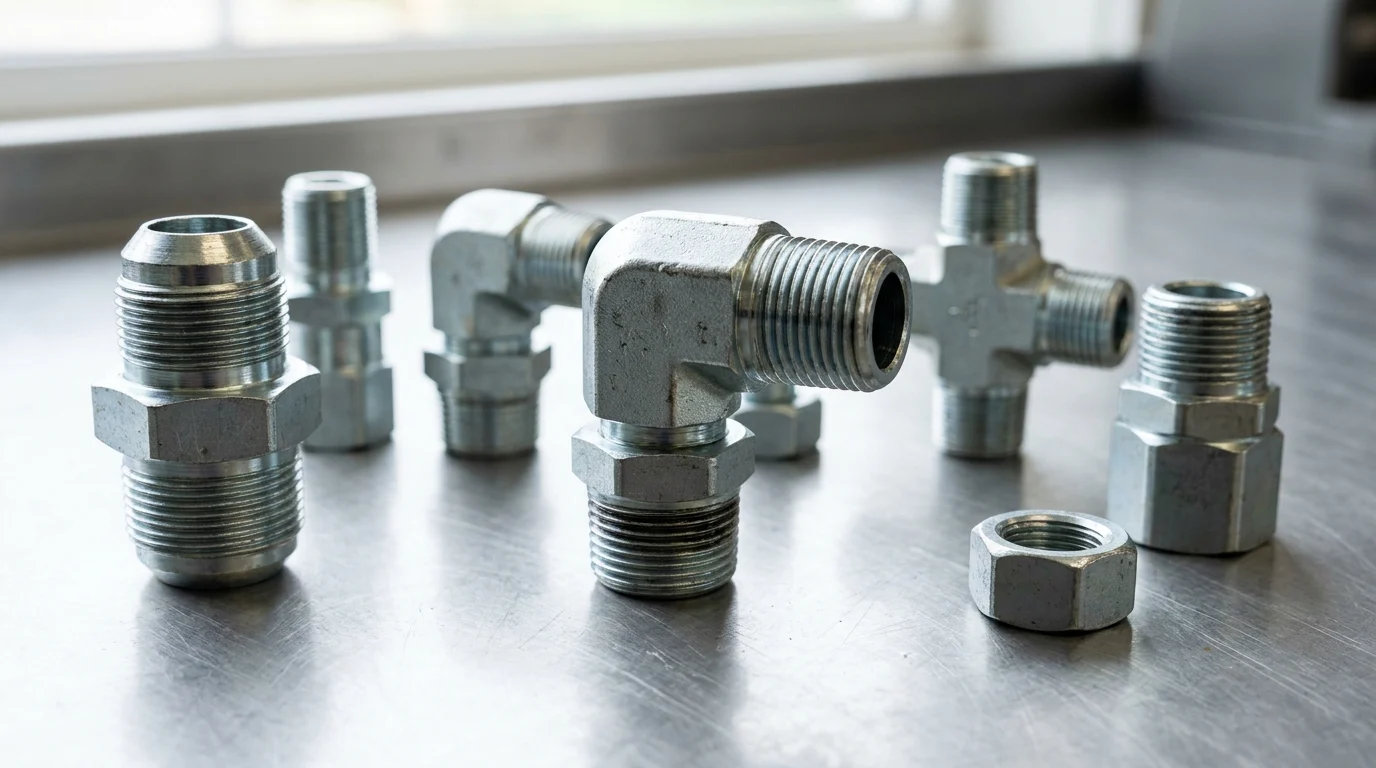
High-pressure applications extend far beyond standard plumbing or low-pressure water lines. Modern industrial settings feature hydraulic systems operating anywhere from 4,000 PSI up to a staggering 10,000 PSI (roughly 27.5 to 69 MPa). At these extreme levels, even a microscopic flaw in the metal can lead to catastrophic system failure, environmental spills, or severe safety hazards for operators. Procurement teams must source heavy-duty hose and tube connectors—distinguishing carefully between flexible hose fittings and rigid tube adapters—that are specifically rated to handle dynamic loads and sudden pressure spikes reliably. Instead of relying on generic pressure testing or factory self-declarations, buyers should mandate compliance with recognized standards. It is vital to specify the correct protocol, as standards like ISO 19879 (for tube connections) and SAE J1453 (for O-ring face seal connections) cover entirely different test parameters for impulse and burst protocols, requiring third-party or witnessed test reports.
Where China Hydraulic Fittings Suppliers Create Value
The value created by sourcing overseas extends beyond a lower unit price—though potential cost reductions on bulk orders remain a significant advantage depending on volume and material. The true benefit lies in mature, deeply integrated supply chains found in specialized manufacturing clusters like Yuyao in Ningbo. These hubs offer rapid prototyping, in-house tooling, and immediate access to top-tier raw materials within a concentrated area. This density enables faster turnaround times and production agility. However, buyers must implement strict intellectual property (IP) protection measures and robust logistics planning to mitigate the inherent risks of offshore sourcing.
Key Specifications and Factory Capabilities to Compare
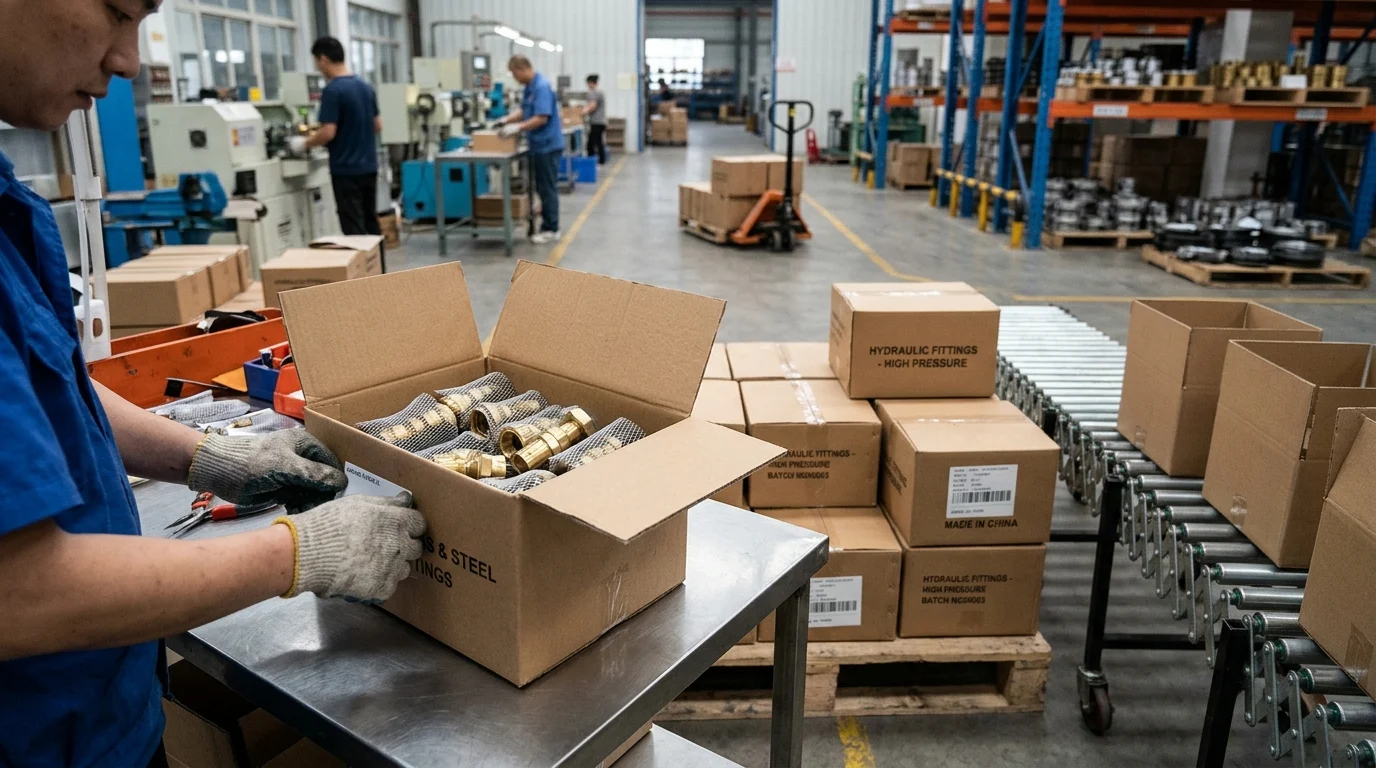
Relying solely on a factory's marketing claims is insufficient; a deep dive into technical specifications and actual shop-floor capabilities is required. It is crucial to distinguish between a trading company and a true manufacturer. Buyers should substantiate this distinction with concrete verification tactics: check the "business scope" on a Chinese business license, request live video tours of the production floor, or verify the presence of in-house forging equipment to avoid supply chain disruptions and ensure consistent product quality.
Materials, Threads, Standards, and Surface Treatments
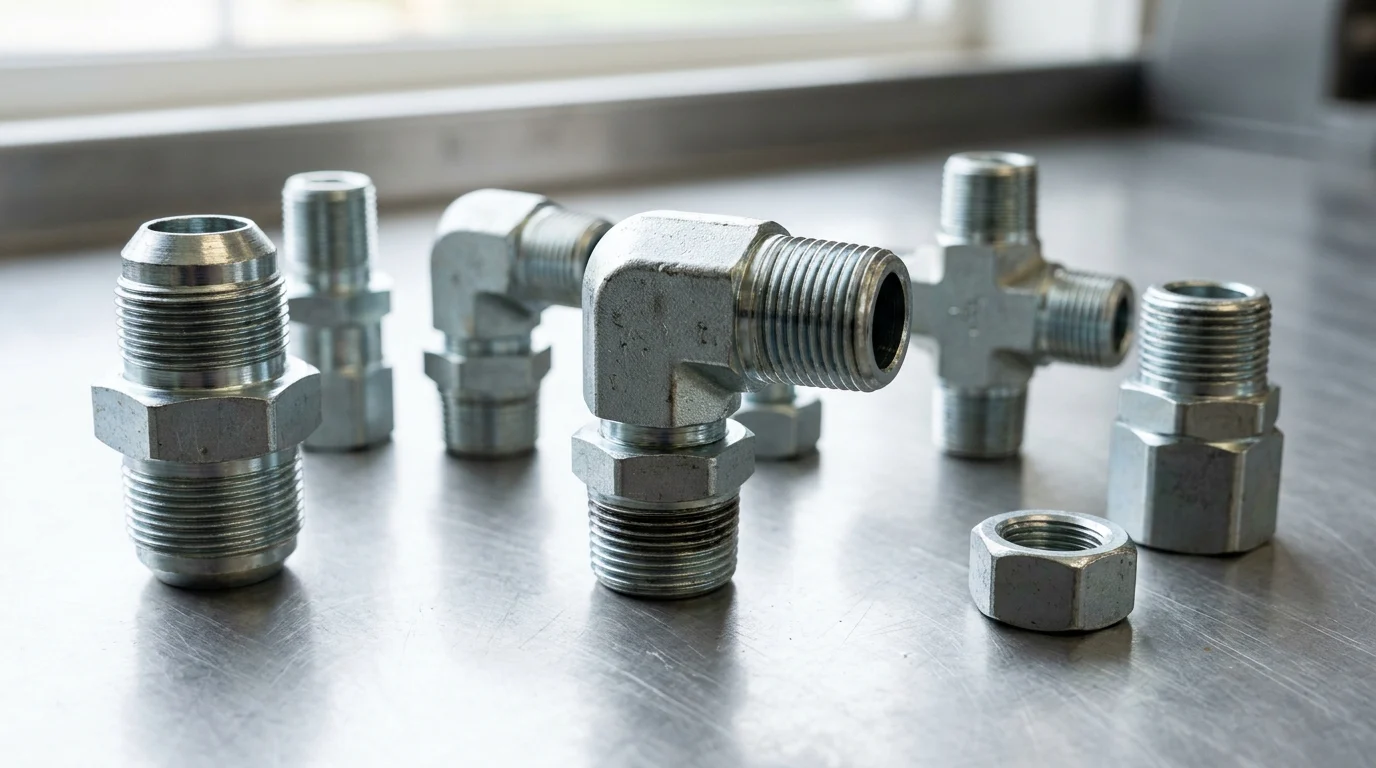
The evaluation process begins with materials and global standards. Suppliers must demonstrate the ability to reliably source and machine standard carbon steel or 316L stainless steel for harsh, corrosive environments. Thread standards must align with market requirements, whether NPT, JIC (SAE J514), or BSPP (ISO 228 or BS 2779), while DIN 2353 should be specified specifically for 24° cone metric tube fittings. Surface treatment is another critical factor, though performance is application-dependent. For example, while a high-quality zinc-nickel plating is often specified to target a 720-hour salt spray test, actual field resistance depends heavily on plating thickness and proper substrate preparation rather than chemistry alone. Furthermore, while formal quality management certifications like ISO 9001 are essential baseline requirements, and IATF 16949 serves as a fundamental standard specifically for automotive applications, they are not absolute guarantees of long-term leak-free sealing.
| Feature | Common Standard | Typical Application | Key Metric to Verify |
|---|---|---|---|
| Threads | JIC (SAE J514) | High-pressure fluid power | 37-degree flare angle |
| Material | 316L Stainless | Corrosive environments | Material certs (MTRs) |
| Plating | Zinc-Nickel | Heavy machinery | Plating thickness & prep |
Machining Capacity, Forging Capability, and CNC Consistency
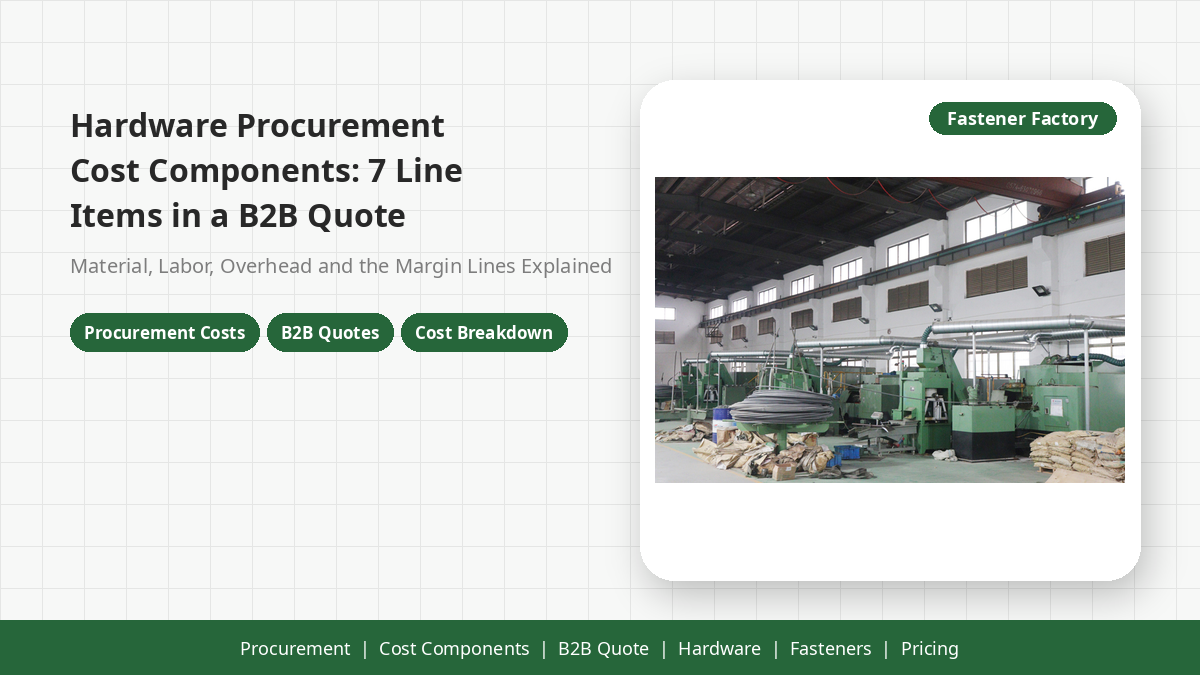
Conducting a factory floor audit—either in-person or via live video—is essential to verify actual machinery. Top-tier manufacturers rely on advanced multi-station cold forming and precision forging rather than basic casting. Facilities should be equipped with scalable automated CNC cells, automatic tapping machines, and dedicated testing instruments, rather than relying on outdated or manual equipment. This level of automation ensures the factory can consistently hold tight machining tolerances appropriate for the application, drastically reducing the scrap rate across production batches of tens of thousands of parts.
How to Choose, Test, and Scale with a China Supplier
Identifying a capable factory is only the first step. The manner in which the relationship is managed from the initial inquiry to full-scale mass production dictates ultimate success. Proper supplier qualification is not a single event but a systematic journey. To execute this effectively, procurement teams must transition from high-level vetting to discrete, actionable workflows that validate every stage of production.
Practical Sourcing Steps from RFQ to Sample Approval
A coherent qualification workflow begins before a detailed RFQ package is even sent. Procurement teams should follow these foundational steps:
- Audit the Facility: Conduct comprehensive factory audits (live or digital) focusing on equipment, CNC cells, and quality control instruments.
- Verify Certifications: Validate baseline quality certifications (e.g., ISO 9001) directly with the issuing bodies.
- Trace Materials: Implement verifiable material traceability systems from raw billet to finished fitting.
Once these baselines are established, the sourcing process commences with the RFQ. Rather than requesting a rough estimate, buyers must provide comprehensive CAD drawings and specify exact pressure ratings, material grades, and testing requirements. Once a competitive and logical quote is received, the sample phase begins.
Key Takeaways
- Specify the exact working pressure, spike load, and fitting type before comparing China hydraulic fittings suppliers.
- Require test reports aligned with the correct standard, such as ISO 19879 for tube connections or SAE J1453 for ORFS fittings.
- Verify whether a supplier is a real manufacturer by checking its business license, production equipment, and live factory evidence.
- Evaluate total sourcing risk in 2026 by weighing cost savings against tariffs, logistics volatility, IP protection, and nearshoring alternatives.
- Prioritize suppliers with strong material control, thread accuracy, surface treatment capability, and documented quality systems for high-pressure use.
Frequently Asked Questions
What pressure range defines high-pressure hydraulic fittings?
High-pressure hydraulic systems commonly operate from 4,000 to 10,000 PSI, or about 27.5 to 69 MPa. Buyers should confirm the fitting is rated for the actual working pressure, pressure spikes, and impulse cycles in the application.
Which standards should buyers request for hydraulic fitting testing?
Request standards that match the fitting type, such as ISO 19879 for tube connections and SAE J1453 for O-ring face seal fittings. Ask for third-party or witnessed reports covering burst, leakage, and impulse testing.
How can I verify a China hydraulic fittings supplier is a real manufacturer?
Check the Chinese business license business scope, request a live video factory tour, confirm in-house machining or forging equipment, and review production records. A true manufacturer should show shop-floor capability, not only product catalogs.
Why are material and surface treatment specifications important?
Material grade, thread accuracy, heat treatment, and plating quality directly affect pressure resistance and corrosion performance. For high-pressure applications, buyers should define these requirements clearly before quoting or sampling.
What makes manufacturing clusters like Ningbo valuable for sourcing?
Industrial clusters such as Yuyao in Ningbo offer access to tooling, raw materials, machining, and finishing suppliers in one region. This can improve prototyping speed, production flexibility, and bulk-order cost efficiency.