




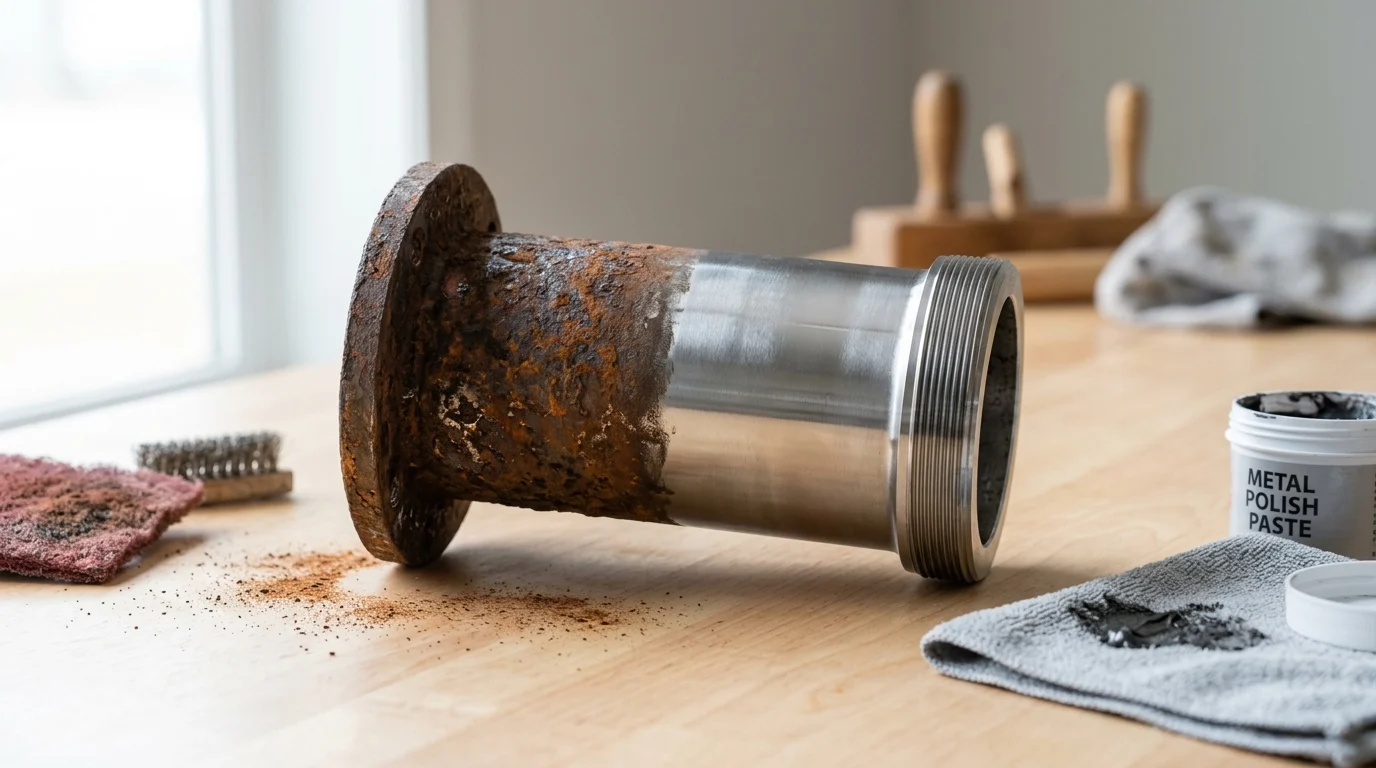
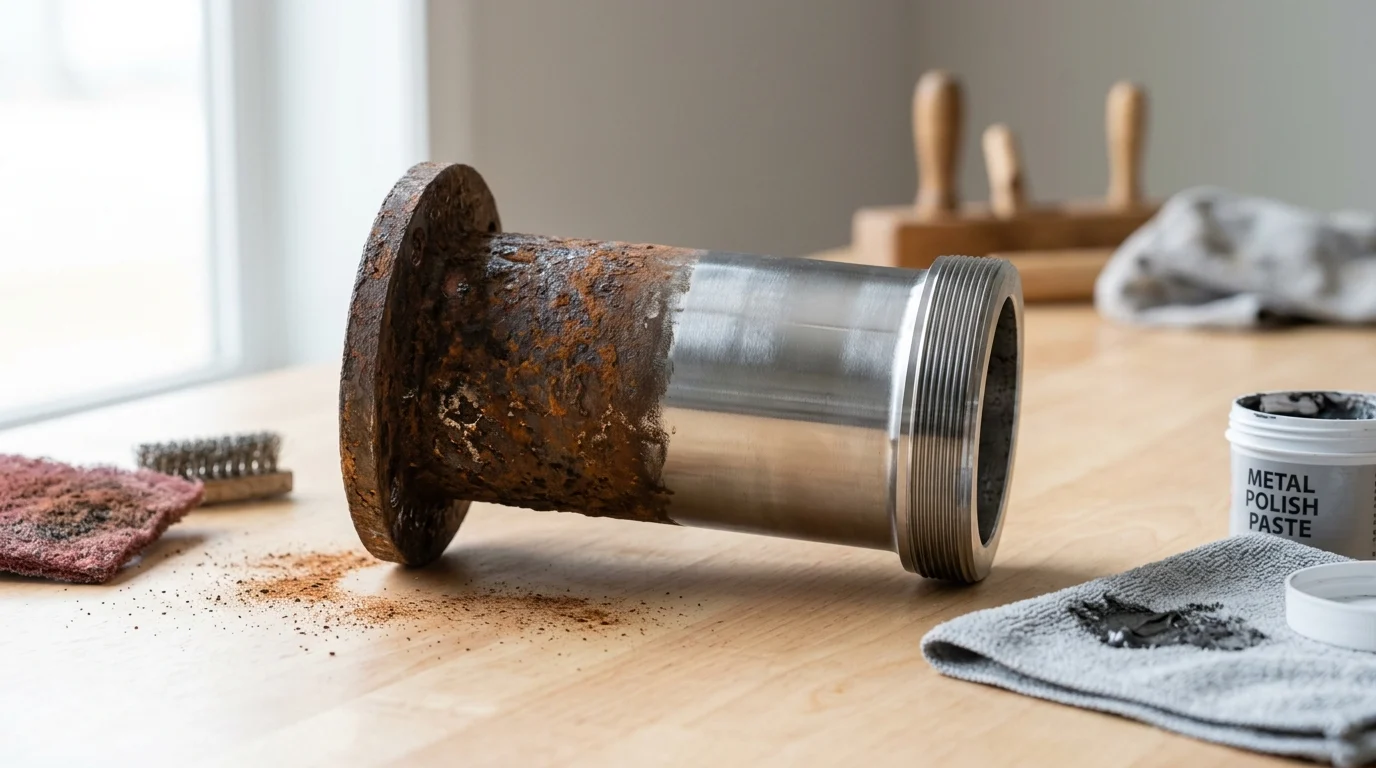
In metalworking, efficiency often comes down to the smallest connection point between the tool and the surface. A rust removal and polishing conversion joint helps operators move faster from heavy oxidation removal to controlled surface finishing without constantly changing machines. For fabrication shops, restoration teams, and maintenance crews, that means fewer interruptions, better accessory compatibility, and more consistent results across grinding, brushing, sanding, and polishing stages. This article explains how the adapter works, why thread size and rotation direction matter, and what safety and quality factors to check when using it on high-speed tools where torque, balance, and RPM ratings directly affect performance.
What Is a Rust Removal and Polishing Conversion Joint
If you've spent any time on a metal fabrication floor, you know that constantly swapping power tools is a massive bottleneck. Every time operators move from grinding away heavy mill scale to buffing a stainless steel surface to a mirror finish, production slows down. That is exactly where a thread adapter comes into play.
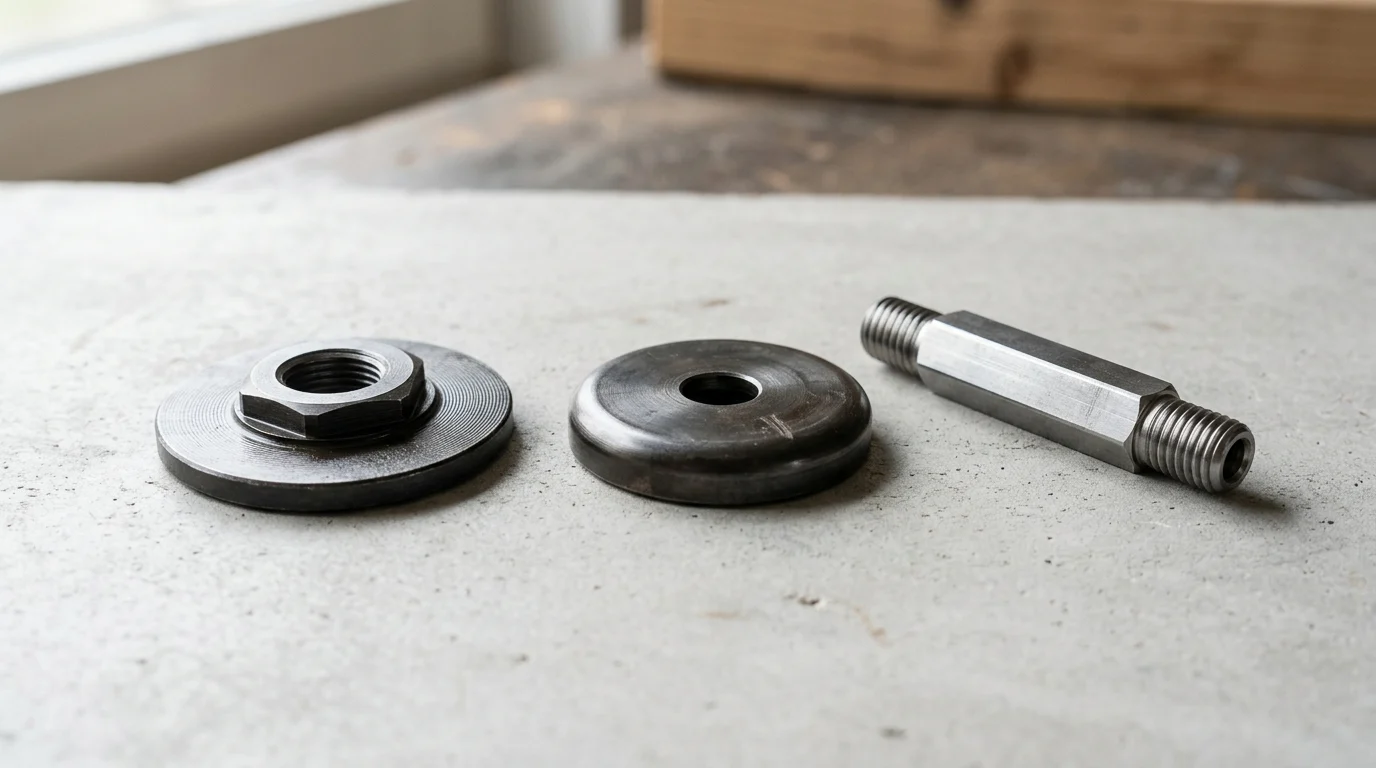
It is essentially a precision-engineered spindle adapter or quick-change flange that lets you run different abrasive consumables on a single power unit. Instead of maintaining a fleet of specialized grinders for every step of the process, this adapter bridges the gap between aggressive material removal and delicate finishing, allowing your existing equipment to safely do double or triple duty.
Key Functions and Common Use Cases
We typically see these thread adapters used heavily in automotive restoration, structural steel preparation, and custom metal fabrication. The primary function is simple but critical: it adapts incompatible thread types or mounting systems so you can keep working efficiently. Operators must also ensure they match the adapter to the correct spindle rotation, distinguishing between left-hand and right-hand grinder spindles to prevent accessories from spinning off under load.
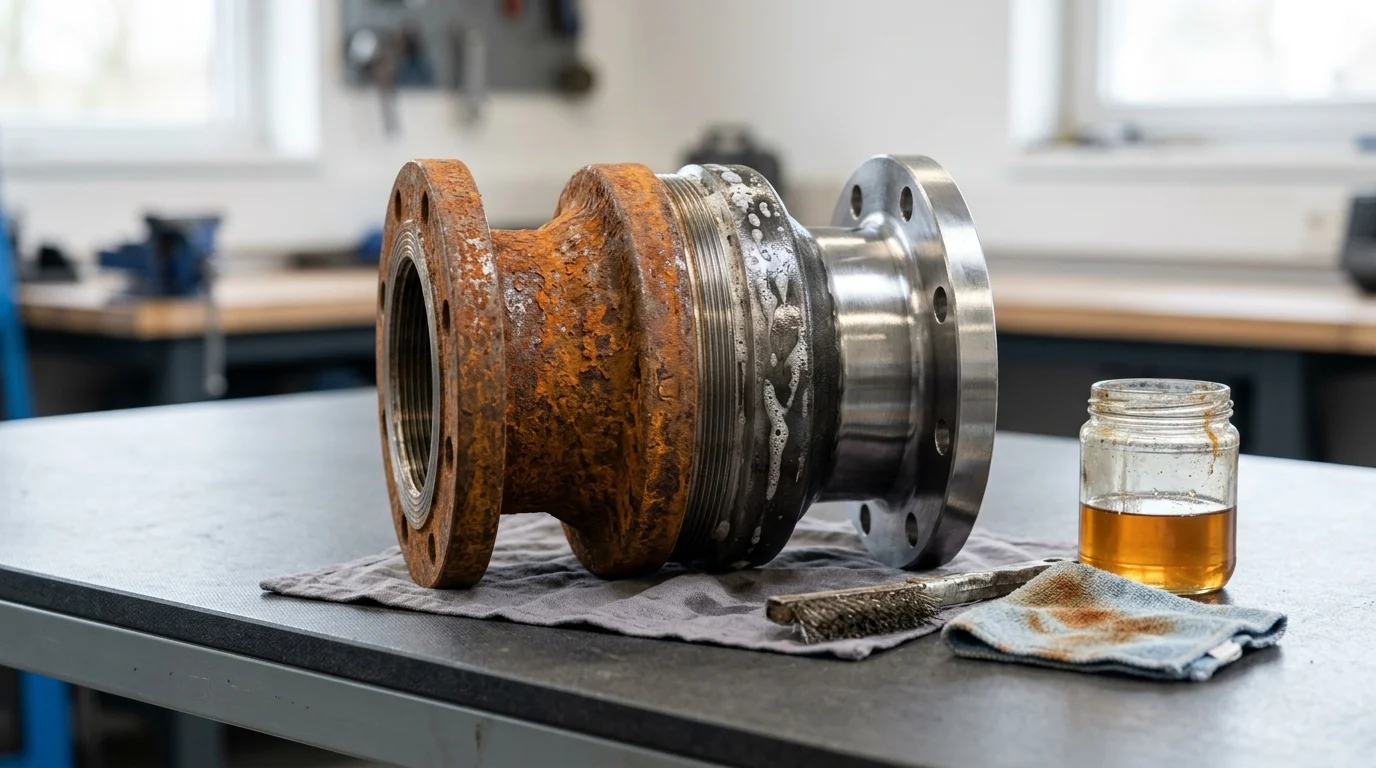
For instance, if you are running a heavy-duty wire cup brush to strip away deep surface oxidation and then need to immediately switch to a fine-grit flap disc for surface finishing, a solid spindle adapter lets you do this seamlessly. When dealing with angle grinders operating at incredibly high speeds—often pushing 10,000 to 12,000 RPM—having a component that safely handles extreme torque and centrifugal force is absolutely non-negotiable.
How It Connects Tools, Pads, and Polishing Equipment
Mechanically, this adapter acts as the critical handshake between the spindle of your power tool and the backing pad of your abrasive consumable. You might have a standard M14 spindle (common in European and Asian markets) on your grinder but need to mount a 5/8"-11 (standard in North America) threaded polishing pad. The adapter threads securely onto the tool and provides the exact receiving thread needed for the pad.
Securing an abrasive pad properly using a high-quality adapter ensures that the abrasive surface remains perfectly flat against the workpiece. This prevents dangerous gouging, uneven wear on expensive pads, and operator fatigue. It might just be a small piece of metal, but it completely dictates the balance, efficiency, and safety of the entire grinding assembly.
When introducing any adapter, safety is paramount. Adding a spindle adapter increases the overall stack height of the assembly, which alters the tool's center of gravity and introduces balance risks. Operators must verify that the adapter and consumable are rated for the grinder's maximum RPM. Additionally, thread-locking mechanisms or compounds may be required, and adapters should never be used on high-speed angle grinders without explicit manufacturer approval, as unauthorized modifications may void manufacturer warranties.
Key Specs and Quality Factors to Compare
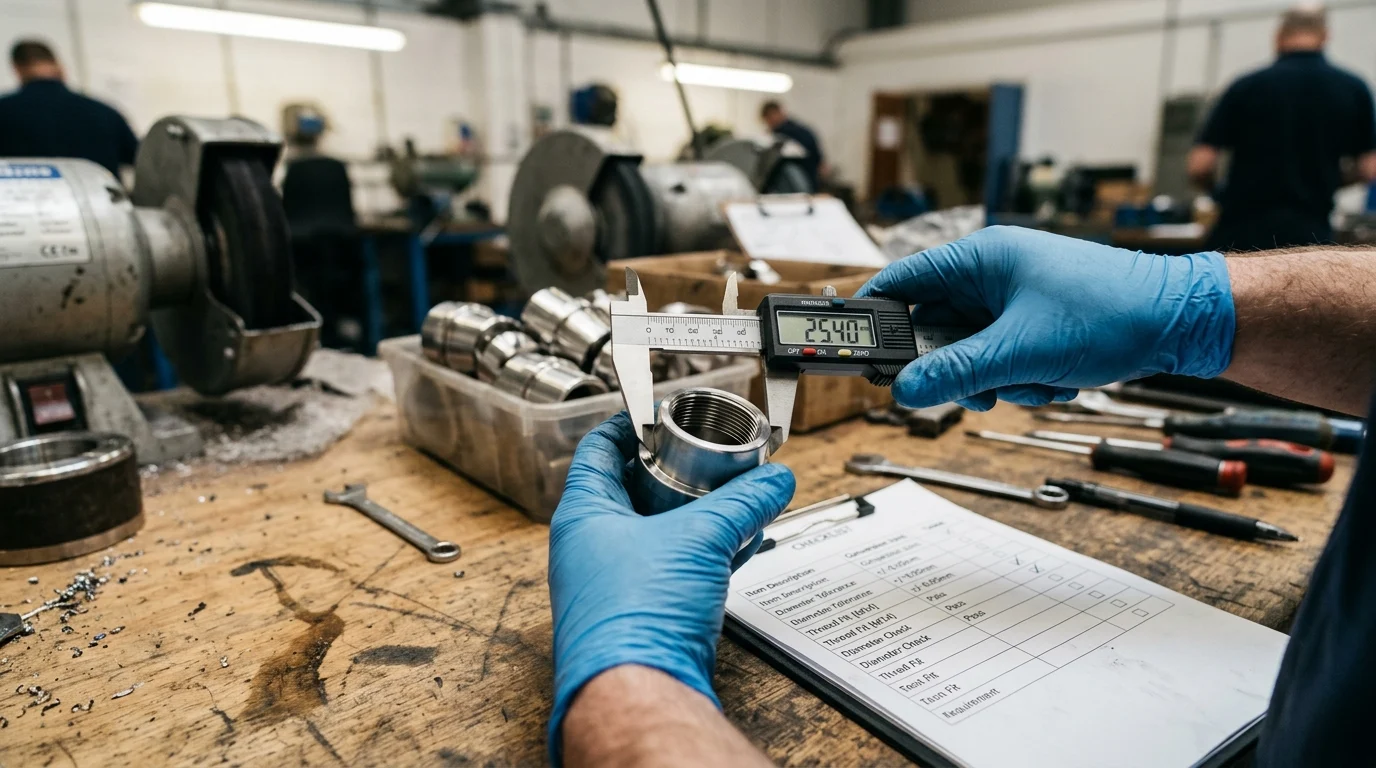
When evaluating thread adapters for a high-volume production line, it is important to look beyond the price tag. A poorly machined adapter will introduce wobble, which not only destroys abrasives prematurely but can also cause severe operator fatigue or even catastrophic tool failure. Let's break down the technical specifications that actually matter when comparing these components.
Thread Fit, Concentricity, and Material Strength
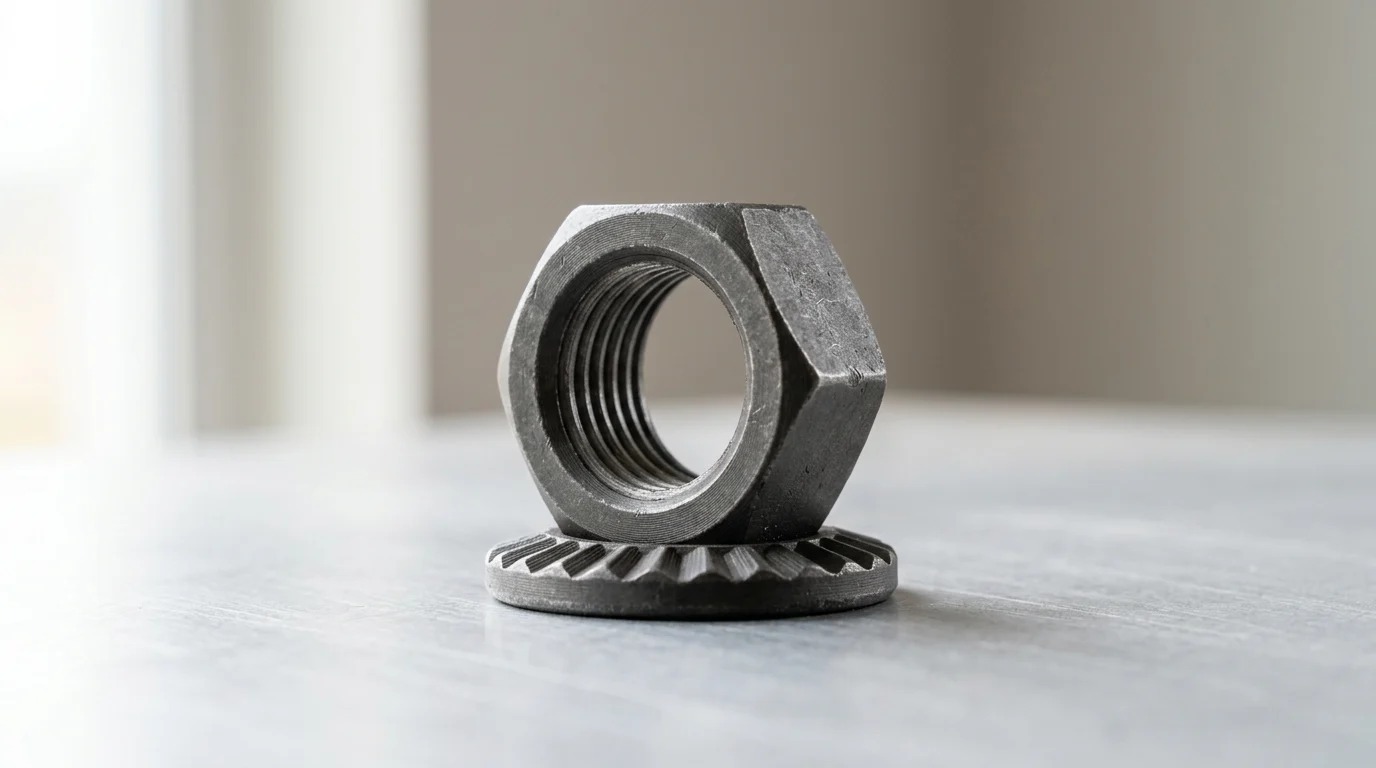
The core of a reliable spindle adapter comes down to thread fit, concentricity, and material strength. If the concentricity is off by even a fraction, you will experience significant vibration that compromises control and safety the moment you pull the trigger.
For material strength, look for high-grade carbon steel or alloy steel boasting high tensile strength. This ensures the adapter won't shear or deform when dealing with sudden torque spikes, like when a grinding wheel aggressively bites into a heavy weld seam. Thread fit is equally crucial; a tight Class 2A/2B fit prevents the accessory from seizing up under load.
| Specification | Basic Cast Adapter | Precision Machined Adapter |
|---|---|---|
| Concentricity Runout | Standard Tolerance | High Precision Tolerance |
| Tensile Strength | Standard Carbon Steel | High-Yield Alloy Steel |
| Machining Method | Cast / Basic Lathe | Cold Headed & CNC Tapped |
| Corrosion Resistance | Basic Plating | Advanced Salt-Spray Tested Plating |
Forging, CNC Machining, Tapping, and Surface Finish
Manufacturing these components to tight tolerances requires industrial-grade equipment. Top-tier facilities do not just cast these parts; they rely on advanced cold heading processes to establish the raw blank's structural integrity and grain flow.
From there, automated CNC machining and tapping ensure that every single thread is cut to exact specifications, eliminating batch-to-batch inconsistencies. Finally, surface finish matters immensely; a quality zinc or nickel plating that can comfortably pass rigorous salt spray testing ensures the adapter won't seize up from rust in a humid or chemically harsh shop environment.
How to Select and Use the Right Conversion Joint
Selecting the right adapter isn't just about matching thread pitches on a spec sheet; it is about optimizing your entire shop floor workflow. If you want to get the absolute most out of your operators and equipment, you need to approach purchasing and implementation strategically.
Steps to Reduce Changeover Time
The fastest way to reduce changeover time in any fabrication shop is aggressive standardization. If you standardize your primary grinding equipment to a single spindle size, you can use thread adapters to quickly mount whatever specialized pads, wheels, or brushes you need on the fly.
By keeping pre-assembled thread adapters permanently threaded onto their most frequently used backing pads, shops can significantly cut their abrasive swap times. Over a standard 40-hour work week, these streamlined workflows easily translate into hours of reclaimed, billable production time rather than wasted minutes spent wrestling with incompatible tooling.
Buying Tips for Safe and Reliable Sourcing
When sourcing these parts, especially if you are outfitting a large facility or acting as a regional distributor, you need to vet your suppliers carefully.
Key Takeaways
- Choose a conversion joint that matches both the tool spindle and accessory thread, such as M14 or 5/8"-11, before mounting any abrasive consumable.
- Use a properly rated adapter for high-speed grinders, especially when tools operate around 10,000 to 12,000 RPM.
- Verify left-hand or right-hand spindle rotation to prevent brushes, pads, or discs from loosening under load.
- A quality adapter can reduce changeover time by allowing one power tool to handle rust removal, sanding, and polishing tasks.
- Inspect balance, stack height, and secure tightening because poor alignment can cause vibration, gouging, uneven pad wear, and operator fatigue.
Frequently Asked Questions
What does a rust removal and polishing conversion joint do?
It adapts one tool spindle or thread size to another accessory mount, allowing a grinder or drill setup to run wire brushes, polishing pads, flap discs, and other abrasive consumables more efficiently.
Why is thread compatibility important for polishing efficiency?
Correct thread matching, such as M14 or 5/8"-11, keeps accessories securely centered and reduces wobble, uneven wear, vibration, and time lost switching between tools.
Can one conversion joint be used for both rust removal and polishing?
Yes, if it matches the tool spindle, accessory thread, rotation direction, and RPM rating. This lets operators move from aggressive cleaning to finer finishing without changing the entire power tool.
What safety checks should be made before using a conversion joint?
Confirm the adapter and accessory are rated for the grinder’s maximum RPM, check left-hand or right-hand thread direction, tighten securely, and avoid unsupported setups on high-speed tools.
How does a conversion joint reduce tool changeover time?
It lets operators mount different abrasive accessories on one compatible power unit, reducing the need to swap grinders or maintain separate tools for stripping, sanding, and polishing steps.