




At 10,000 RPM, even a small fastening error can become a major safety risk. Wire wheel brushes and cutting discs generate vibration, heat, and shifting loads that ordinary hardware may not withstand. A high-strength flange nut helps keep abrasive accessories centered, clamped, and stable by combining load distribution with vibration resistance. This article explains why flange geometry, strength class, thread precision, and surface design matter in demanding fabrication work. It also highlights practical selection points—such as Class 8 or Class 10 ratings, common spindle sizes, and serrated flange options—so operators can make safer, more reliable choices for grinding, cleaning, and cutting applications.
Why High-Strength Flange Nuts Matter for Wire Wheels
In heavy-duty fabrication environments, the hardware securing abrasive media is as critical as the power tool itself. Disclaimer: Proper flange nut selection depends on the specific grinder model, wheel rated speed, and manufacturer specifications; always consult equipment manuals to prevent dangerous mismatches. When spinning a heavy, densely packed Wire Wheel Brush at upwards of 10,000 RPM, the sheer centrifugal force and kinetic energy can easily back off standard hardware. Fasteners must be specifically designed to handle aggressive radial and axial loads, especially since wire wheels naturally develop slight imbalances as individual wires break off during heavy use.
Key Strength and Safety Requirements
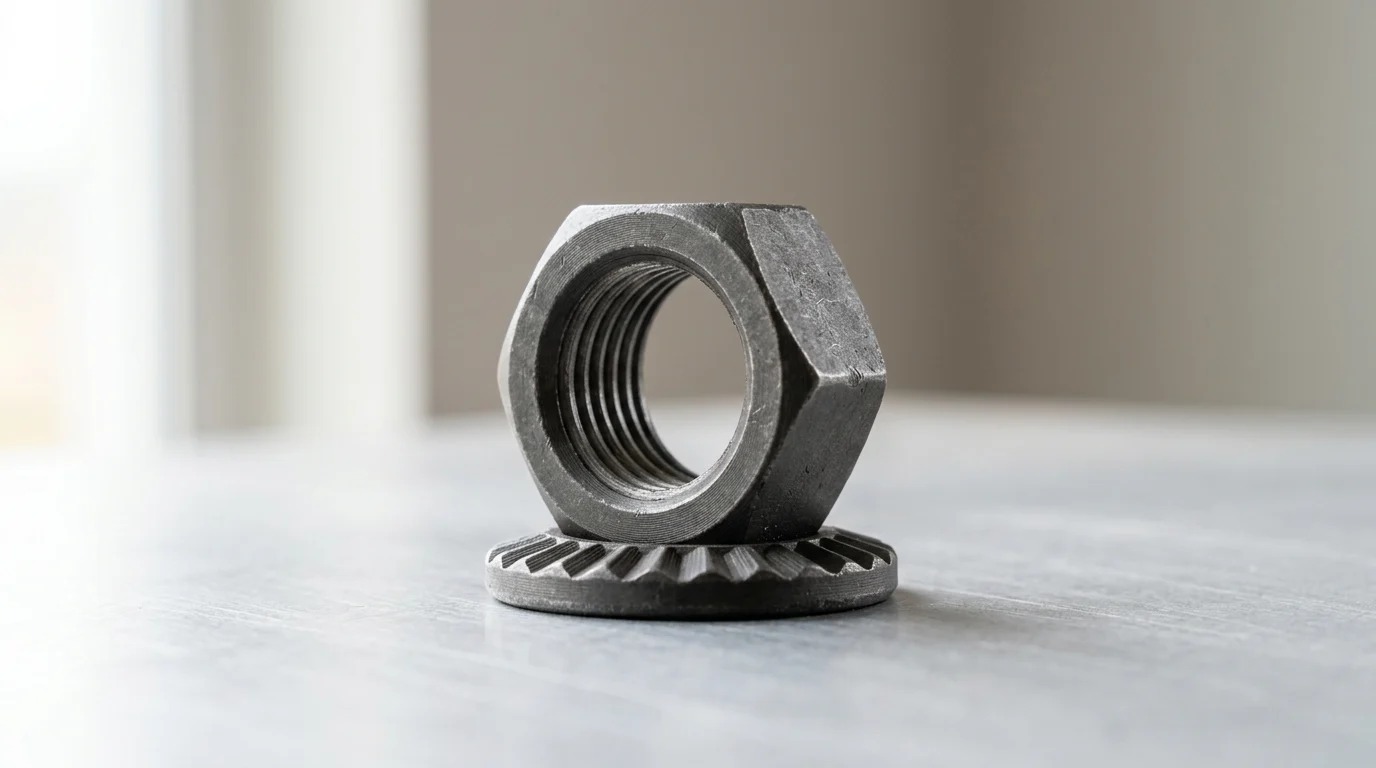
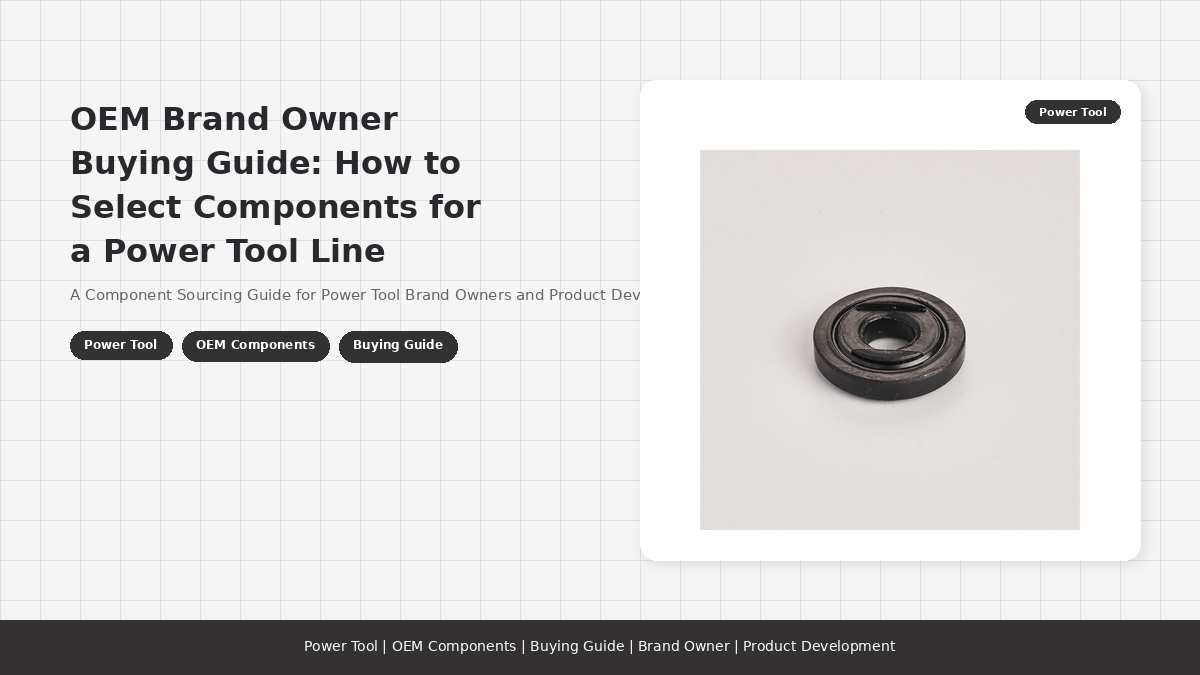
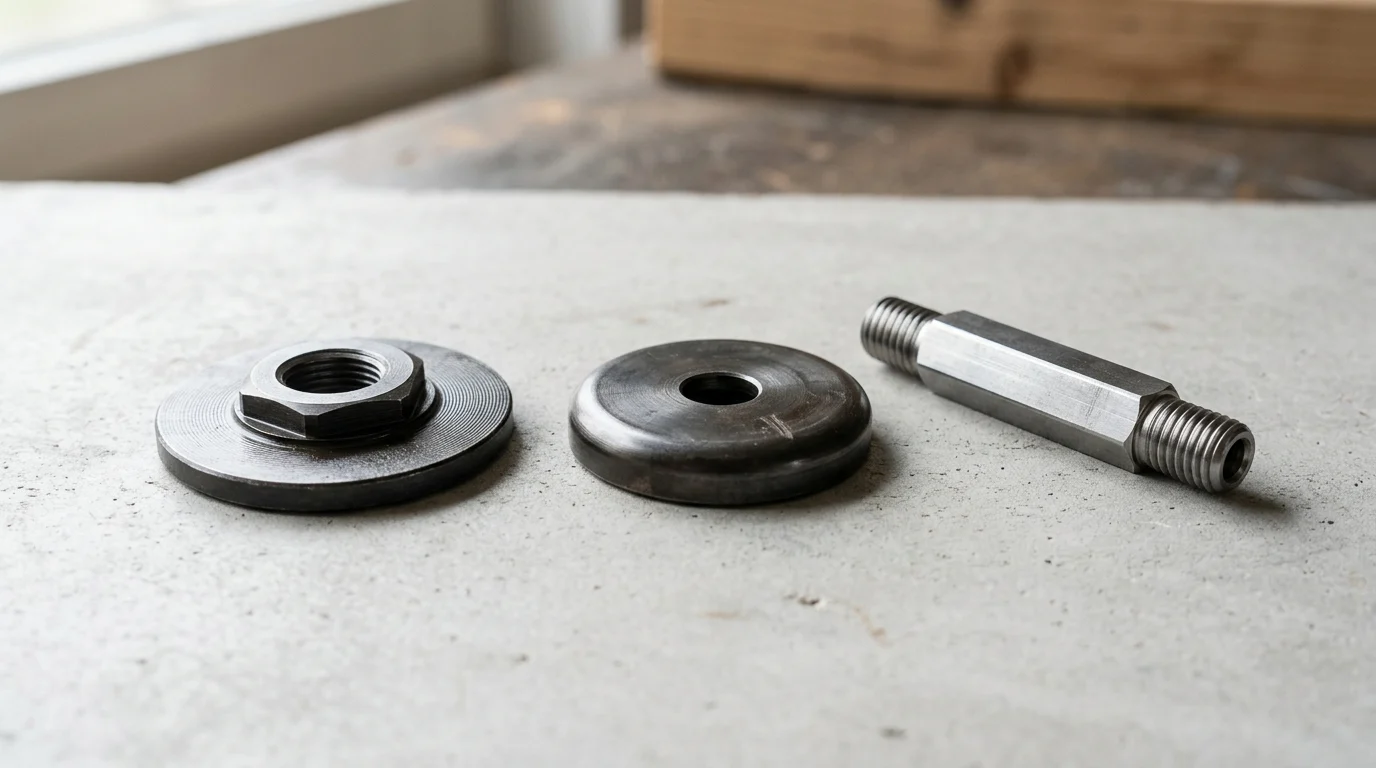
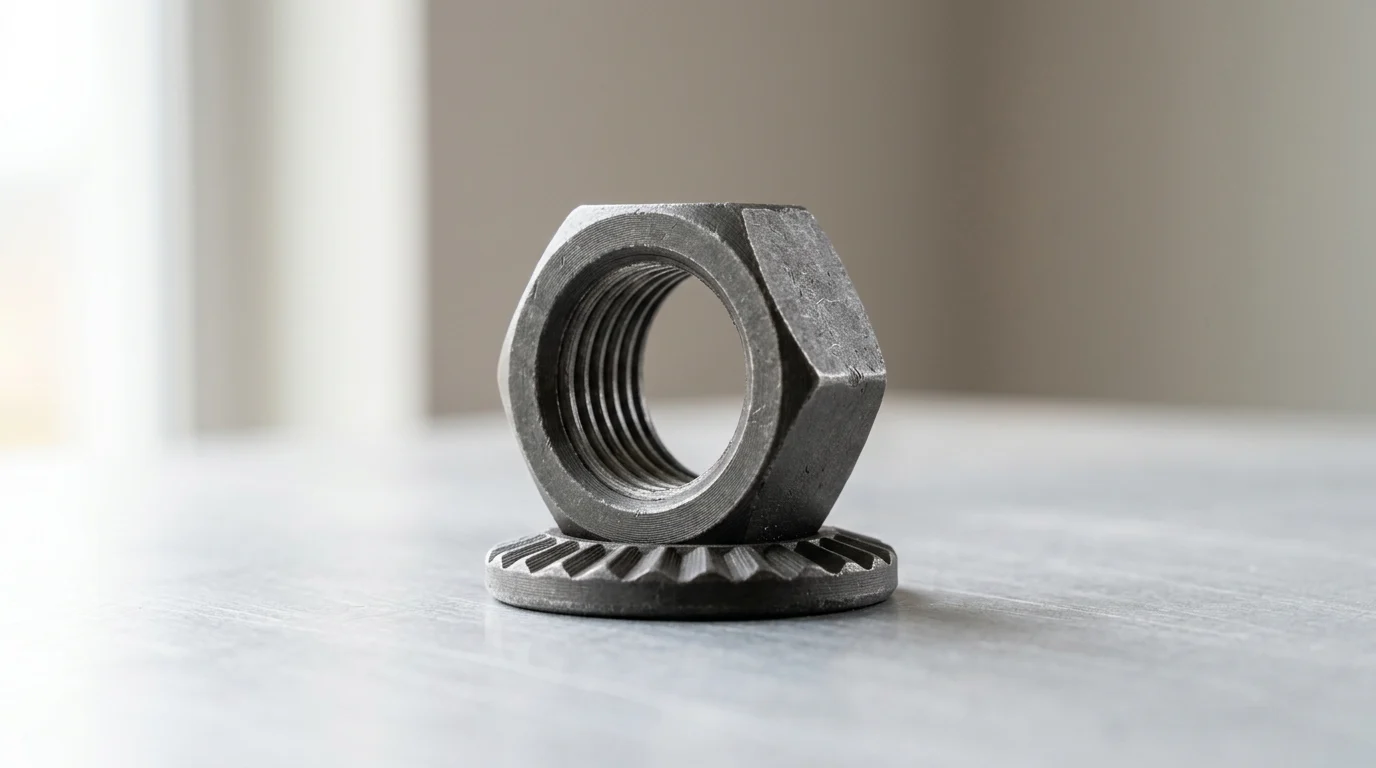
Standard hex nuts are insufficient for high-stress grinding environments. A High-Strength Flange Nut integrates a wide, flat base that acts as a built-in washer, distributing the clamping force required to secure abrasive wheels safely. To prevent catastrophic wheel detachment, these specialized nuts typically meet Class 8 or Class 10 proof load standards, meaning they are engineered to withstand minimum tensile stresses ranging from 800 MPa up to 1,040 MPa. Verifying these load ratings is essential, as a fractured or stripped nut at high operational speeds is a severe safety hazard that can result in dangerous shrapnel.
Flange Geometry, Clamp Load, and Vibration Resistance
The effectiveness of these fasteners lies in their flange geometry. By expanding the bearing surface area—often cited by manufacturers as an increase of up to 30% compared to a standard washer and hex nut combination, depending on specific dimensions—the localized surface pressure on the wheel hub is drastically reduced. This helps prevent the abrasive core or metal hub from crushing under typical dynamic clamping forces, which can range from 15 kN to 25 kN based on the tool and application. Furthermore, many heavy-duty nuts feature aggressively serrated or knurled flanges. These directional serrations bite into the backing plate of the accessory, creating an anti-vibration locking mechanism. This design resists the harmonic oscillations and chatter generated during heavy weld-cleaning or edge-beveling operations, ensuring the wheel remains securely locked in place.
How to Compare Materials, Grades, and Coatings
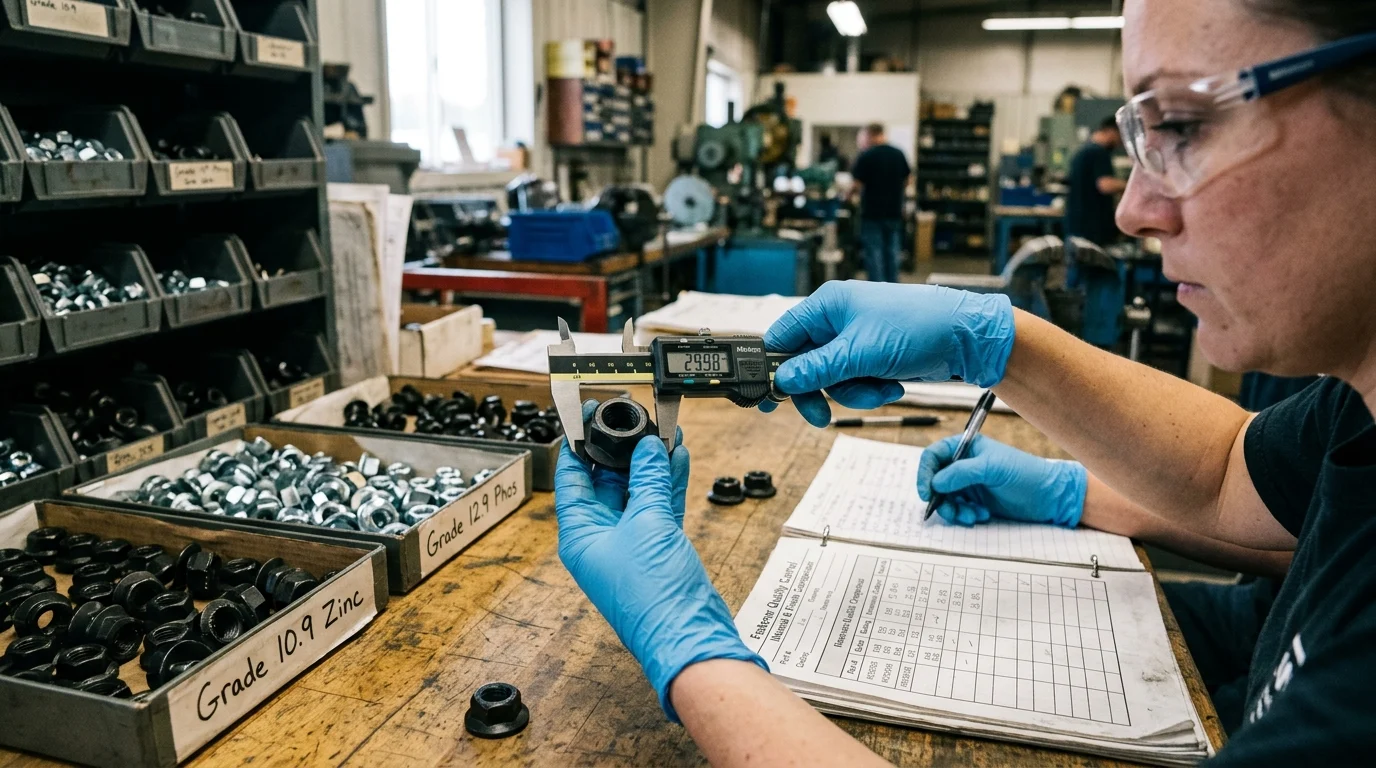
Choosing the right nut requires careful evaluation of the underlying metallurgy and applied surface treatments, as these physical characteristics dictate how well the hardware will survive in a gritty, high-heat industrial environment. Grinding creates intense thermal cycling, and fasteners must handle these conditions without degrading.
Strength Grades, Thread Classes, and Heat Treatments
When mounting a heavy, aggressive Cutting Disc for thick steel plate, thread engagement and material hardness become absolutely critical. Class 10 heat-treated carbon steel is standard for serious industrial applications. This specific heat treatment provides a Rockwell Hardness (HRC) of 26 to 36—hard enough to prevent thread deformation under heavy torque, but not so brittle that it shatters under sudden impact loads. Precision-cut threads, such as a 6H tolerance class for standard metric spindles (like M14x2.0 or 5/8"-11 sizes), ensure a snug, wobble-free fit. While proper thread tolerance is important for alignment, it should be noted that preventing thread galling under load also requires appropriate material pairing and lubrication, rather than relying on tolerance alone.
Steel Grade, Coating, and Torque Comparison
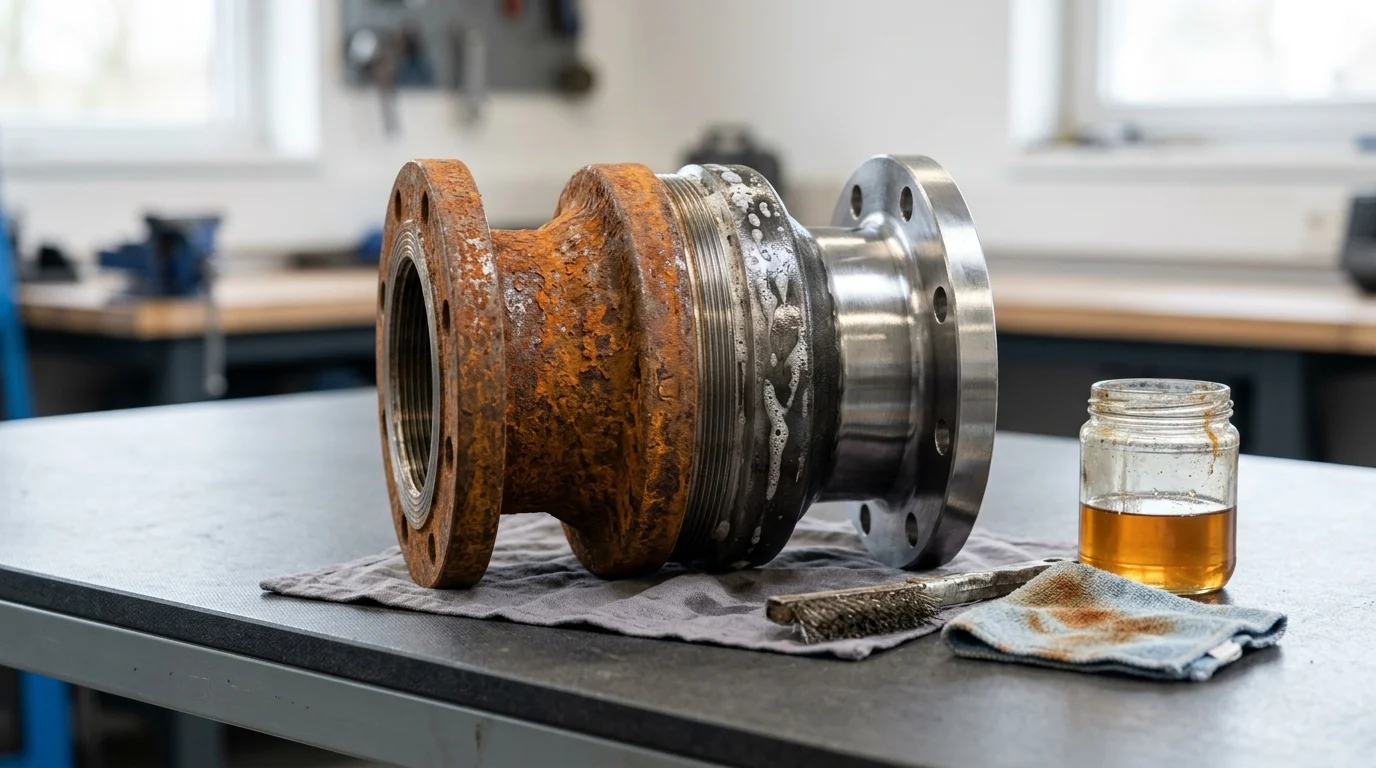
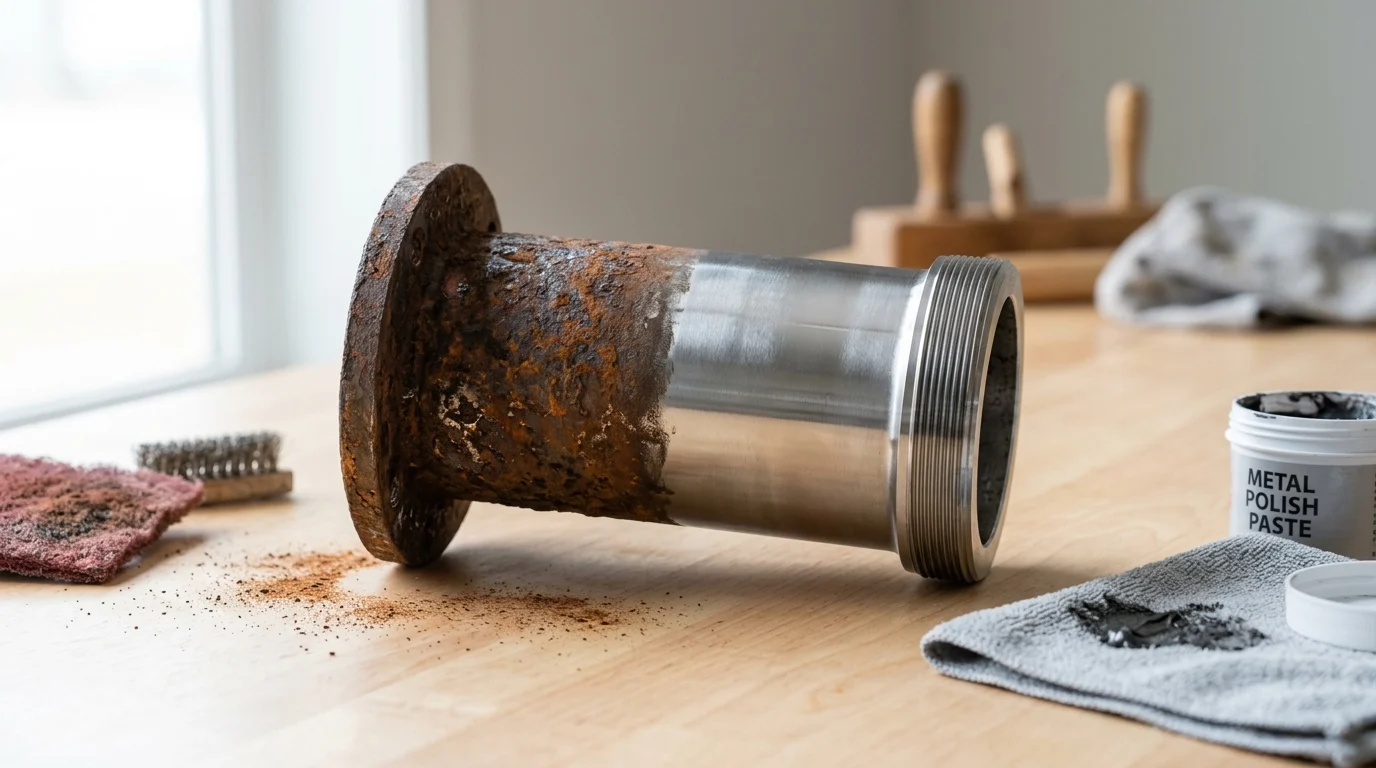
Uncoated raw steel will begin to rust almost immediately in a damp or humid shop environment, rapidly leading to seized spindle threads. To combat this, advanced zinc-nickel plating or a heavy black oxide treatment is often specified, depending on the exact corrosion resistance needed. Zinc-nickel, for example, is a premium choice that is often rated by manufacturers to survive over 720 hours in standardized salt spray tests under ideal laboratory conditions, making it suitable for harsh marine or outdoor fabrication environments. Here is a general breakdown of how common material configurations compare when dealing with premium Angle Grinder Accessories.
| Material / Grade | Coating | Typical Max Torque (Nm)* | Corrosion Resistance (Salt Spray Hours)** |
|---|---|---|---|
| Class 8 Carbon Steel | Black Oxide | 60 - 80 | ~24 hours |
| Class 10 Alloy Steel | Zinc Plated (Clear) | 90 - 120 | ~96 hours |
| Class 10 Alloy Steel | Zinc-Nickel | 90 - 120 | >720 hours |
| 316 Stainless Steel | Passivated | 40 - 60 | >1000 hours |
*Note: Typical Max Torque values depend heavily on thread size, pitch, and lubrication; consult manufacturer specifications.
**Note: Salt spray hours are standardized test metrics and may vary by manufacturer; they are not always directly comparable across different coating types in real-world conditions.
How to Choose, Install, and Source the Right Flange Nut
Sourcing the proper hardware is only half the process; installing it correctly determines whether a setup runs perfectly true or causes severe vibration. Premium Grinding Wheel Accessories can be easily ruined by poor, rushed installation practices. Following strict installation protocols on the shop floor is essential to maximize both operator safety and abrasive lifespan.
Installation Steps to Reduce Runout and Loosening
First, always thoroughly inspect the grinder's spindle threads and the internal threads of the nut for debris. Even a single metal shaving caught in the threads can cause severe binding. When seating the abrasive, ensure it sits perfectly flush against the inner backing flange. Threading the flange nut on by hand for the first few turns helps completely avoid cross-threading. For a standard 115mm or 125mm angle grinder, tightening the nut to a controlled 30 Nm to 40 Nm using a proper, well-fitting pin spanner wrench is generally recommended, though operators must always defer to the specific torque settings outlined in their tool's manual. Never rely on the grinder's own motor torque to self-tighten the wheel against the workpiece, and absolutely never use an impact driver. Improper tightening can lead to excessive runout—ideally kept strictly under 0.05mm Total Indicator Reading (TIR)—which otherwise causes severe unbalance and premature bearing failure.
Purchasing Checks for Quality and Compliance
When ordering large batches of these critical fasteners, relying solely on marketing specification sheets is insufficient.
Key Takeaways
- Choose Class 8 or Class 10 high-strength flange nuts for abrasive wheels operating under severe vibration and high RPM loads.
- Verify thread fit, such as M14x2.0 or 5/8"-11, against the grinder spindle and accessory specifications before installation.
- Use flange nuts with a wide bearing surface to distribute clamp load and reduce the risk of crushing the wheel hub.
- Consider serrated or knurled flange designs when working in applications with heavy chatter, such as weld cleaning or edge beveling.
- Inspect flange nuts regularly for worn threads, cracks, or damaged serrations, and replace questionable hardware before operation.
Frequently Asked Questions
Why use a high-strength flange nut instead of a standard hex nut?
A high-strength flange nut provides a wider bearing surface, distributes clamp load more evenly, and resists loosening under vibration. This is critical when securing wire wheel brushes or cutting discs that operate at high RPM and experience radial and axial loads.
What strength class is suitable for heavy-duty grinding applications?
For demanding industrial use, Class 8 or Class 10 flange nuts are commonly preferred. Class 10 heat-treated carbon steel offers high tensile capacity and helps prevent thread deformation under heavy torque and vibration.
How does the flange improve wheel stability?
The flange acts like an integrated washer, increasing contact area and reducing localized pressure on the wheel hub. This helps prevent crushing, wobble, and uneven clamping during high-speed grinding or cutting.
Are serrated flange nuts better for grinders?
Serrated or knurled flange nuts can improve vibration resistance by biting into the accessory backing plate. They are especially useful for heavy weld-cleaning, beveling, and other operations that generate chatter.
What thread sizes are commonly used on grinder flange nuts?
Common grinder spindle threads include M14x2.0 and 5/8"-11, depending on the tool and region. Always verify the grinder manual and accessory specifications before selecting a flange nut.