




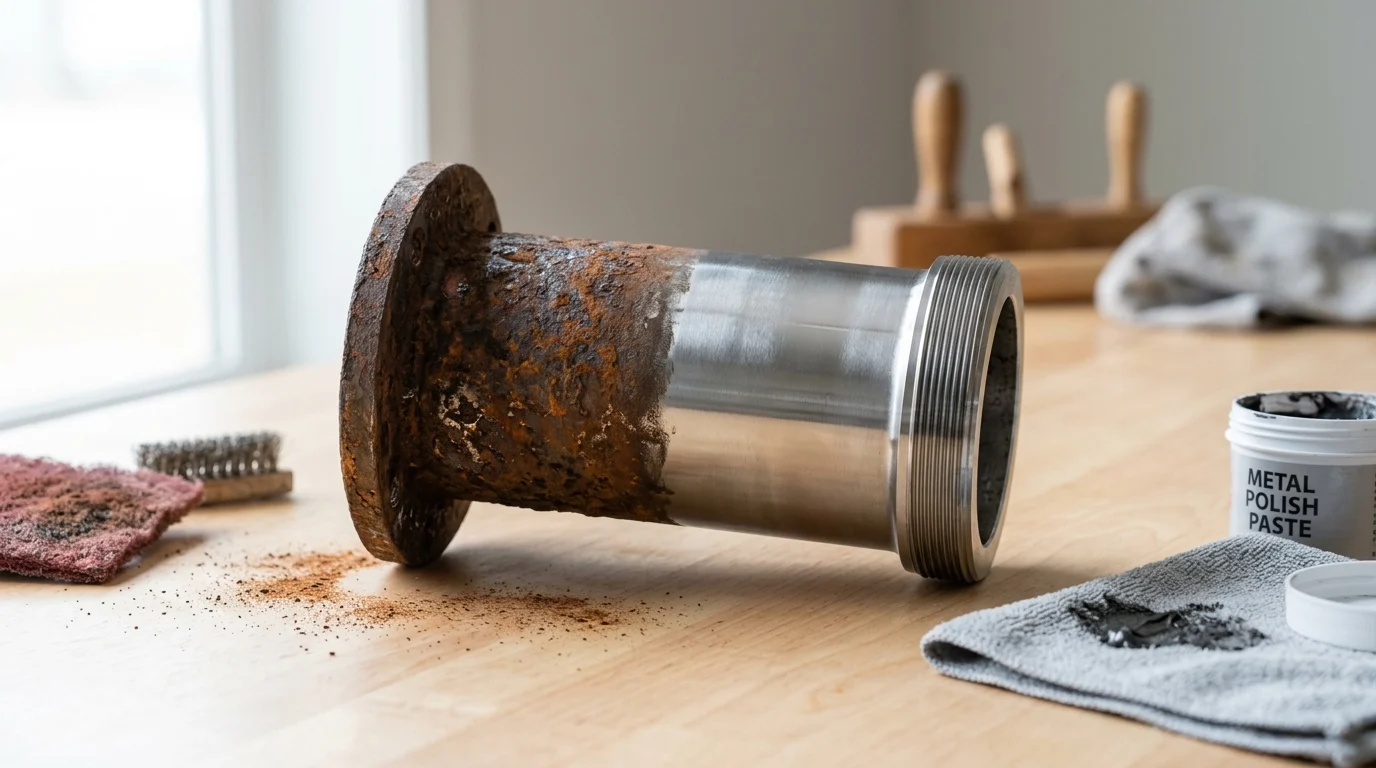
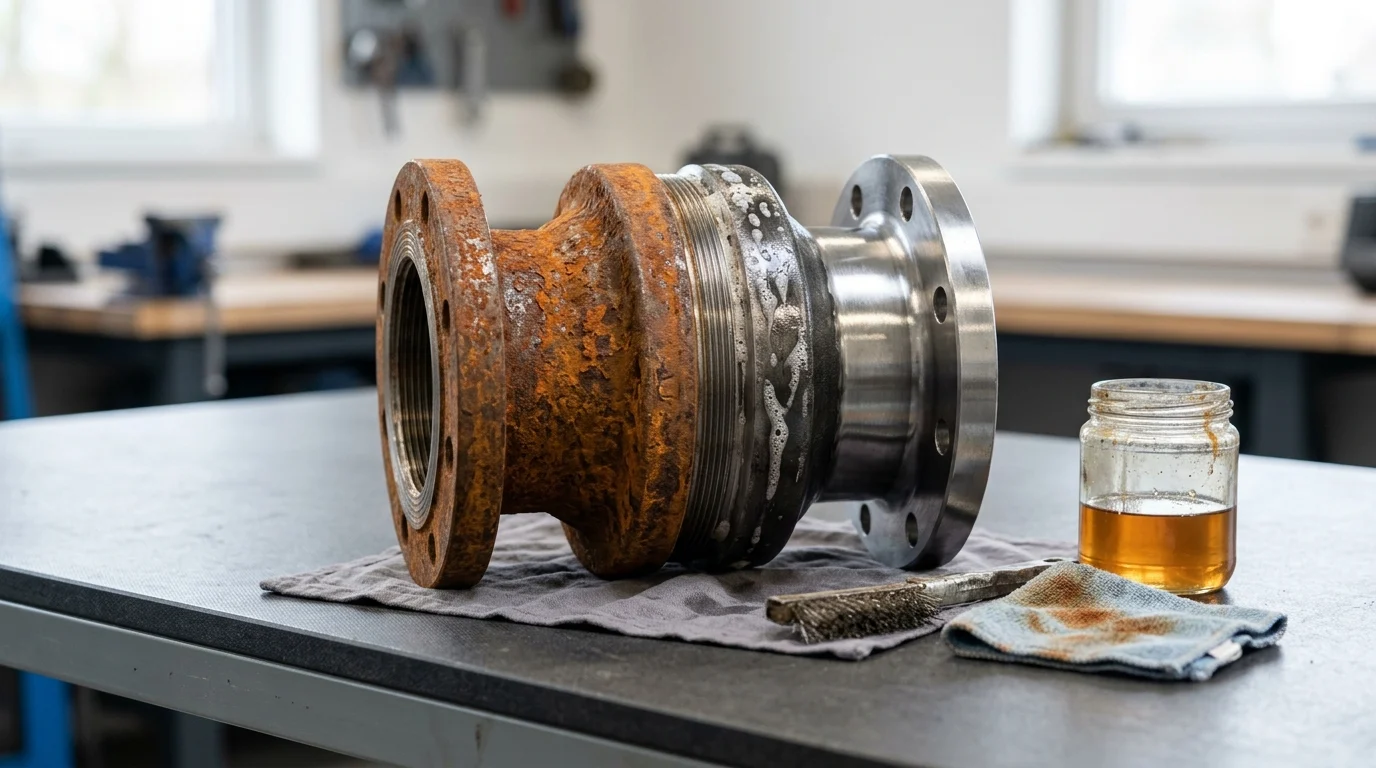
In industrial surface preparation, the smallest connector can become the weakest link. A rust removal or polishing setup may depend on high-performance abrasives and powerful grinders, but the adapter between them controls torque transfer, alignment, safety, and repeatability. For B2B buyers, choosing the right conversion joint is not just a catalog-matching exercise; it requires checking thread standards, RPM limits, material strength, concentricity, and guard compatibility. This guide explains how to evaluate these components for demanding environments such as fabrication, shipbuilding, maintenance, and automotive restoration, where poor fitment can lead to vibration, tool damage, downtime, or serious safety risks.
Product Basics and Key Benefits
When evaluating industrial surface preparation, the focus usually lands on the abrasive pads or the power tools themselves. However, the critical torque-transmitting interface in this setup is the connection hardware. Sourcing equipment for heavy-duty manufacturing, shipbuilding, or auto restoration requires close attention to the adapters linking these systems.
A poorly machined adapter in this area does not just slow down production; it creates tangible shop-floor risks like vibration-induced loosening, thread galling, and spindle stripping, which drive up long-term maintenance costs. Understanding the nuances of these components is critical for procurement professionals looking to build a reliable and compliant supply chain.
What Is a Rust Removal and Polishing Conversion Joint?
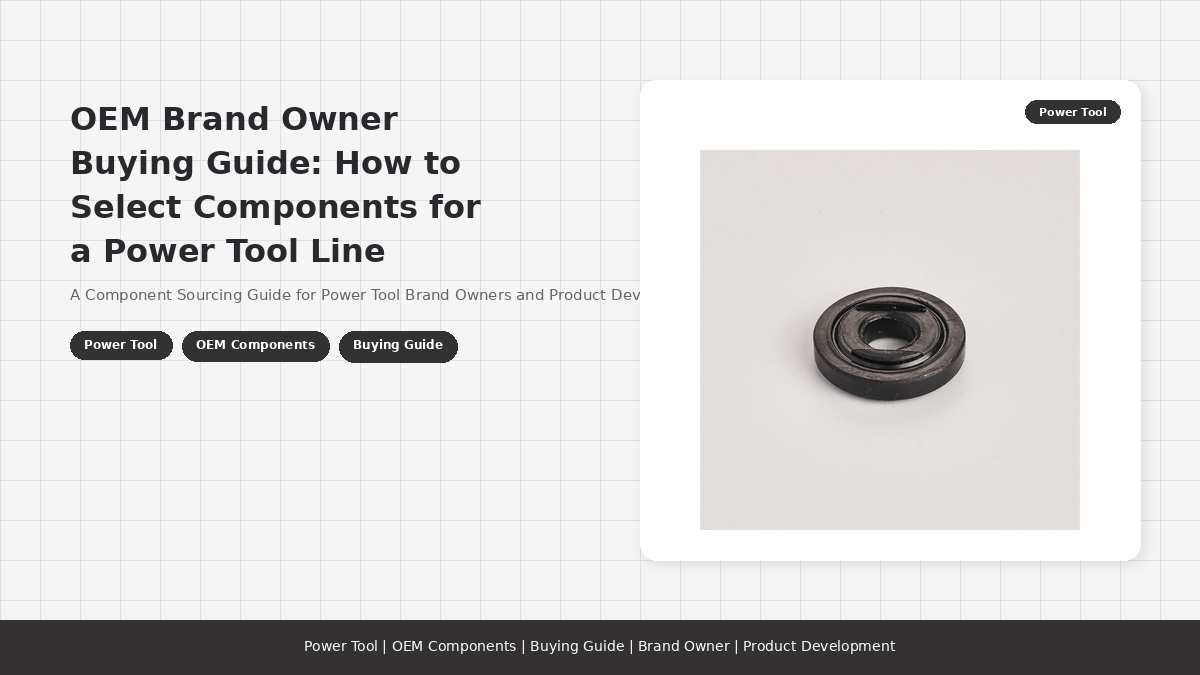
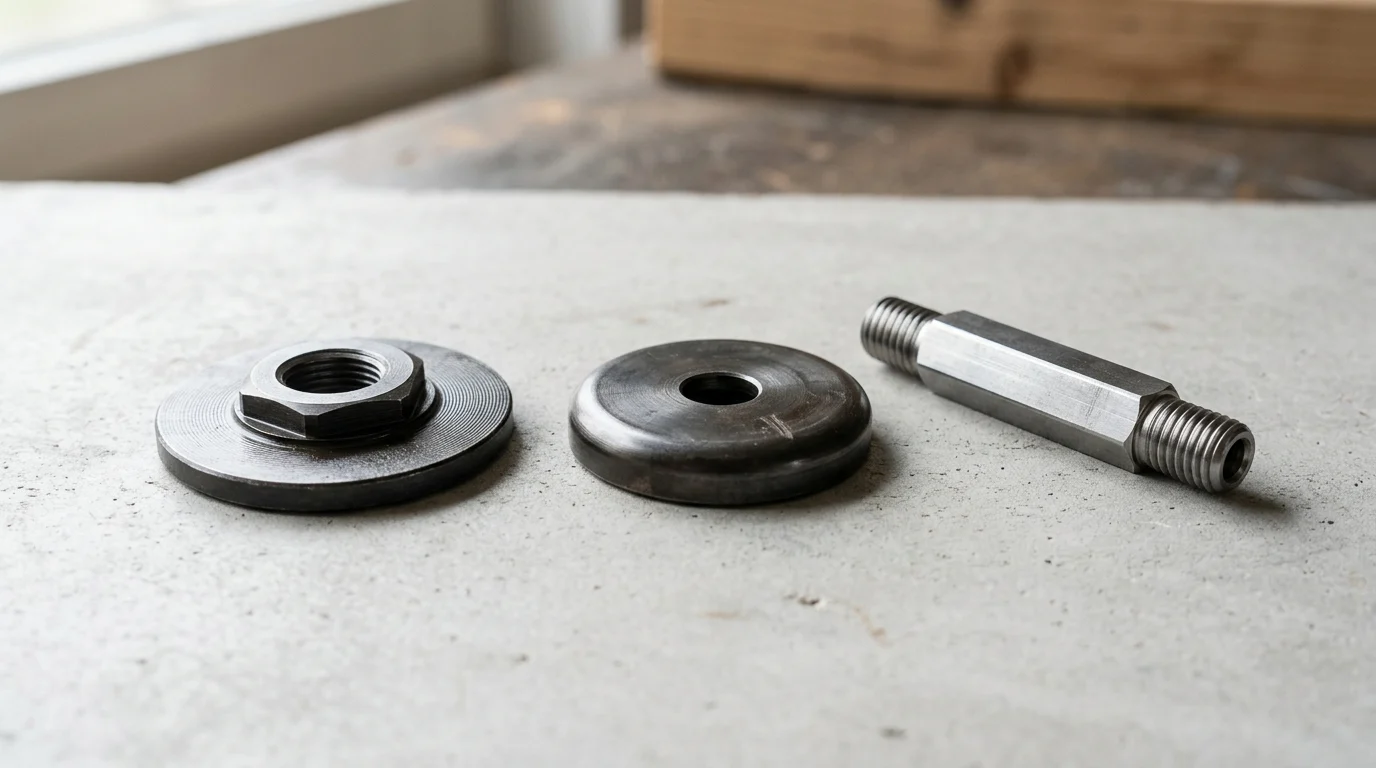
While sometimes marketed under non-standard, literally translated terminology like a rust removal and polishing conversion joint, procurement teams should recognize these as threaded metal collars or spindle extensions, commonly known as "angle grinder arbor adapters" or "flange adapters." These specialized components are designed to securely connect abrasive wheels, wire brushes, or polishing pads to tool arbors. Typically featuring standard industrial thread sizes like M14 or 5/8"-11, these adapters bridge the gap between different proprietary tool systems.
These components must handle intense rotational forces. To ensure safety and performance, buyers must evaluate several key factors:
- RPM and Safety Limits: 4.5-inch angle grinders typically run up to roughly 11,000 RPM no-load, while larger 7-inch models run significantly slower (e.g., 6,000–8,500 RPM) to safely control peripheral speed. Buyers must ensure adapters do not push attached abrasives beyond their maximum safe RPM limits, which creates severe wheel-burst risks.
- Thread Compatibility and Mounting: Buyers must verify practical procurement constraints such as thread gender (male/female), spindle lock compatibility, left-hand versus right-hand thread direction on certain grinders, and the proper mounting torque required to prevent galling or loosening under heavy vibration.
- Guard Adjustability and Offset Profiles: Crucially, adapters must not interfere with proper flange support. Buyers must verify guard adjustability or replacement when adapters change wheel offset profiles (e.g., Type 1 to Type 27), because proper flange support alone does not prevent guard obstruction when converting between grinding and polishing setups.
- Application-Specific Requirements: Rust removal and heavy scaling demand high torque and impact resistance, whereas polishing applications require strict concentricity and vibration control. At high velocities, any structural weakness, thread incompatibility, or imbalance translates immediately into severe vibration, poor surface finishes, or catastrophic tool failure on the shop floor.
Why Material Quality and Precision Matter
Material quality and precision are non-negotiable. High-torque applications will quickly destroy a cheaply cast adapter. Industrial buyers should specify components made through appropriate manufacturing methods, such as machining from solid bar stock, quality investment casting, or precision forging for high-stress environments. It is important to clarify that investment casting and forging typically require secondary precision machining to achieve the tight ±0.01 mm tolerances expected of premium components, rather than acting as standalone equal alternatives to machining from solid bar stock. These processes ensure mechanical strength, significantly boosting the adapter's shear strength and fatigue resistance.
When an adapter is properly machined, it maintains strict concentricity, ensuring the abrasive head spins perfectly true. This precision reduces operator fatigue, prevents uneven wear on the abrasives, and extends the lifespan of the attached power tool by minimizing unnecessary stress on the internal motor bearings.
How Buyers Should Compare Options
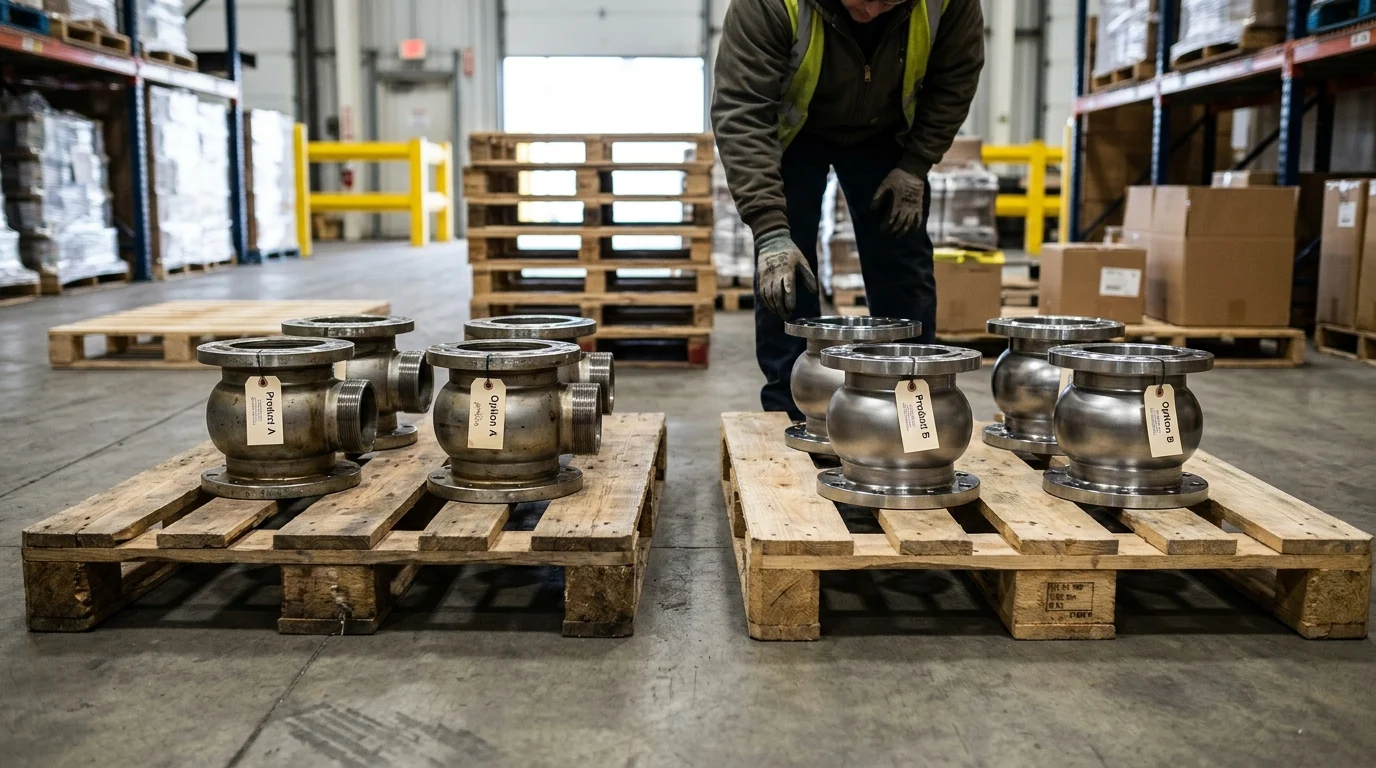
Once the baseline requirements are established, the next step is evaluating the market. Comparing options requires looking past marketing claims to examine hard specifications, manufacturing capabilities, and compliance with relevant safety standards (such as ANSI B7.1 for grinding wheel safety or EN 13236 for abrasives), keeping in mind that CE is a conformity marking rather than a performance standard.
It is easy to prioritize low upfront unit prices, but total cost of ownership is the critical metric for bulk procurement. Factoring in replacement rates, operator efficiency, and safety compliance will always point toward higher-quality manufacturing.
Material Grade, Tolerance, and Surface Finish
The most effective way to separate reliable adapters from sub-par alternatives is by verifying the material grade, dimensional tolerance, and surface finish. High-carbon steel or alloy steel (like AISI 5140, often listed regionally as 40Cr) that has been properly heat-treated is essential to withstand constant friction. Below is a breakdown of acceptable versus premium specifications when evaluating a supplier's catalog, mapping regional grades to international equivalents:
| Feature | Standard Specification | Premium Specification |
|---|---|---|
| Material | AISI 1045 (45#) Carbon Steel | AISI 5140 (40Cr) Alloy Steel |
| Dimensional Tolerance | ±0.05 mm | ±0.01 mm |
| Surface Hardness | HRC 35-40 | HRC 45-50 |
| Finish | Basic Black Oxide | Electroplated / Nickel |
If the application involves heavy rust scaling or aggressive material removal, specifying a tight ±0.01 mm tolerance on the premium side can help prevent wobbling under heavy loads. However, buyers should note that premium tolerances and hardness specs are highly application-dependent; over-specifying for light-duty polishing tasks can unnecessarily inflate the total cost of ownership, as standard tolerances are often sufficient for lower-speed operations.
Supplier Capability and Quality Control
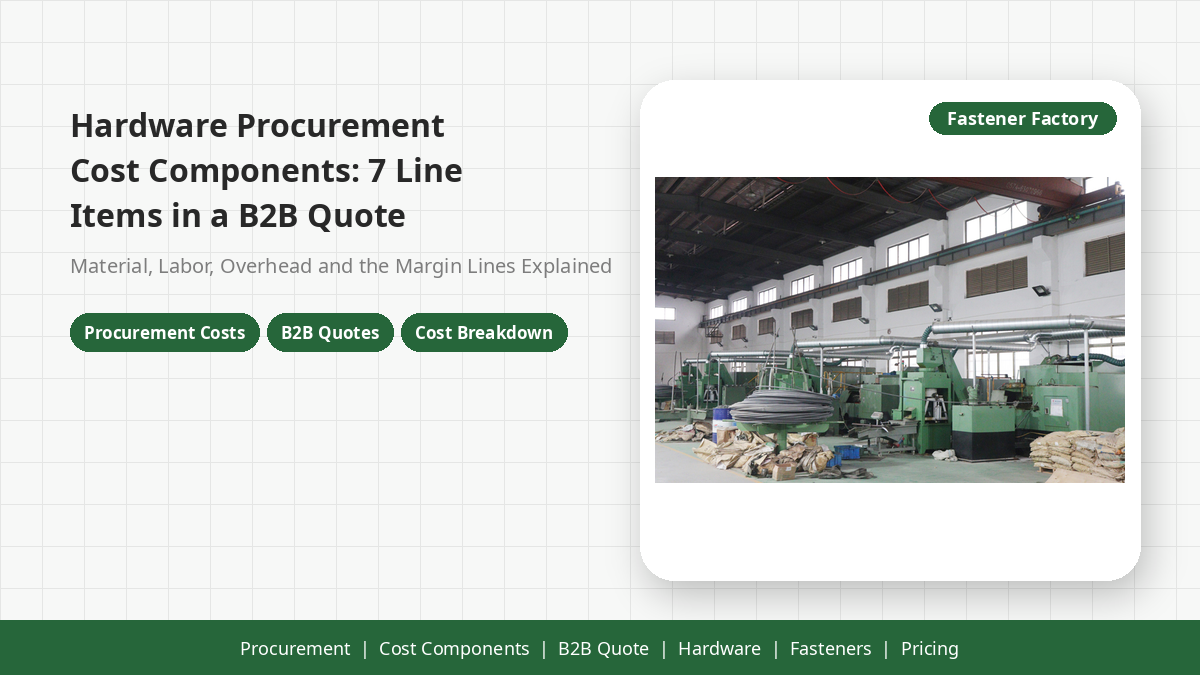
Beyond the specifications on paper, evaluating the factory floor is essential. A reliable industrial tool supplier needs the right hardware to guarantee quality at scale. Industry-leading manufacturers utilize precision CNC turning centers and automated milling machinery to achieve the tight tolerances required for precision flange adapters, rather than relying solely on high-volume forming methods like cold heading, which, while a legitimate manufacturing method for standard fasteners, may not provide the necessary precision machining capabilities for these specific components.
A facility featuring fully automatic CNC machine tools alongside automatic tapping machines and dedicated testing instruments—like optical comparators and Rockwell hardness testers—demonstrates the capacity to maintain defect rates well within stringent ISO 9001:2015 quality benchmarks. That level of infrastructure means every adapter in a large batch will meet the required universal standards for strength and precision.
Sourcing and Validation Steps
Finding a capable supplier with the right
Key Takeaways
- Verify thread size, pitch, gender, and direction before ordering adapters for angle grinders or polishing systems.
- Match every adapter and accessory to the grinder’s RPM range, especially on 4.5-inch tools that may reach about 11,000 RPM.
- Specify precision-machined components with tight tolerances when vibration control, concentricity, and surface finish quality are critical.
- Check guard clearance, flange support, and wheel offset whenever converting between grinding, rust removal, and polishing accessories.
- Avoid low-quality cast adapters in high-torque rust removal applications because vibration, galling, and spindle damage can increase maintenance costs.
Frequently Asked Questions
What is a rust removal and polishing conversion joint?
It is a threaded adapter, collar, or spindle extension used to connect wire brushes, abrasive wheels, or polishing pads to power tool arbors, commonly angle grinders.
Which thread sizes should B2B buyers verify before ordering?
Common sizes include M14 and 5/8"-11, but buyers should confirm thread diameter, pitch, gender, direction, and tool spindle compatibility before bulk purchasing.
Why does RPM rating matter for these adapters?
Angle grinders can run at very high speeds, often around 11,000 RPM for 4.5-inch models, so adapters and abrasives must stay within safe RPM limits to reduce wheel-burst risk.
What material quality should industrial buyers specify?
For demanding rust removal or polishing work, specify machined, forged, or properly finished investment-cast components with secondary precision machining and verified dimensional tolerances.
How does poor concentricity affect polishing performance?
Poor concentricity creates vibration, uneven contact, faster accessory wear, and inconsistent surface finishes, especially in high-speed polishing applications.