




High-Pressure Hydraulic Fittings & Oil Pipes - China Suppliers & Factory for Durable Connection Solutions
Product Description
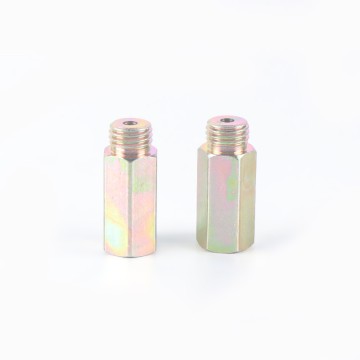
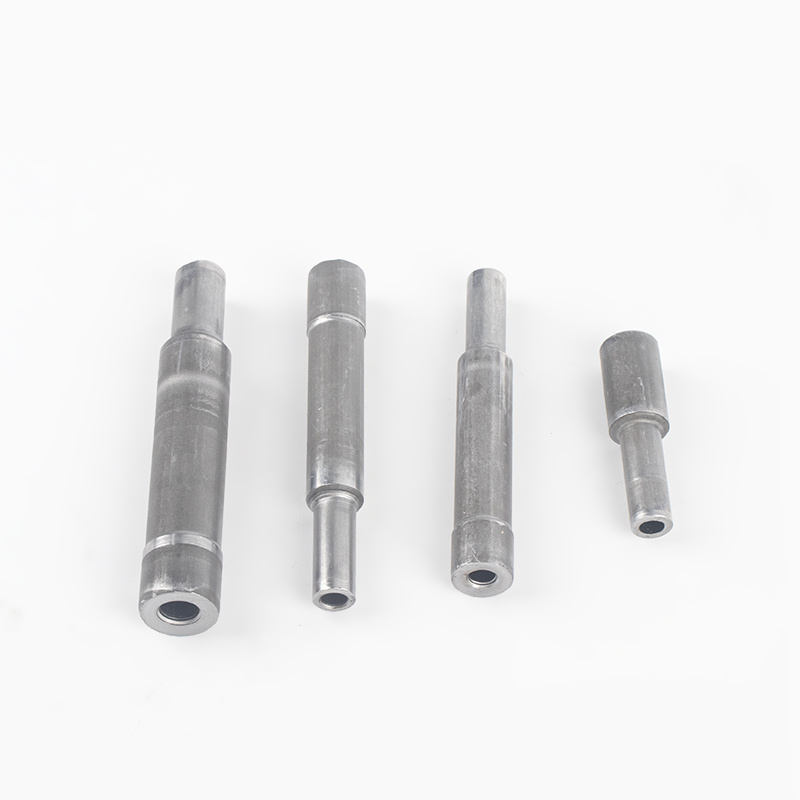
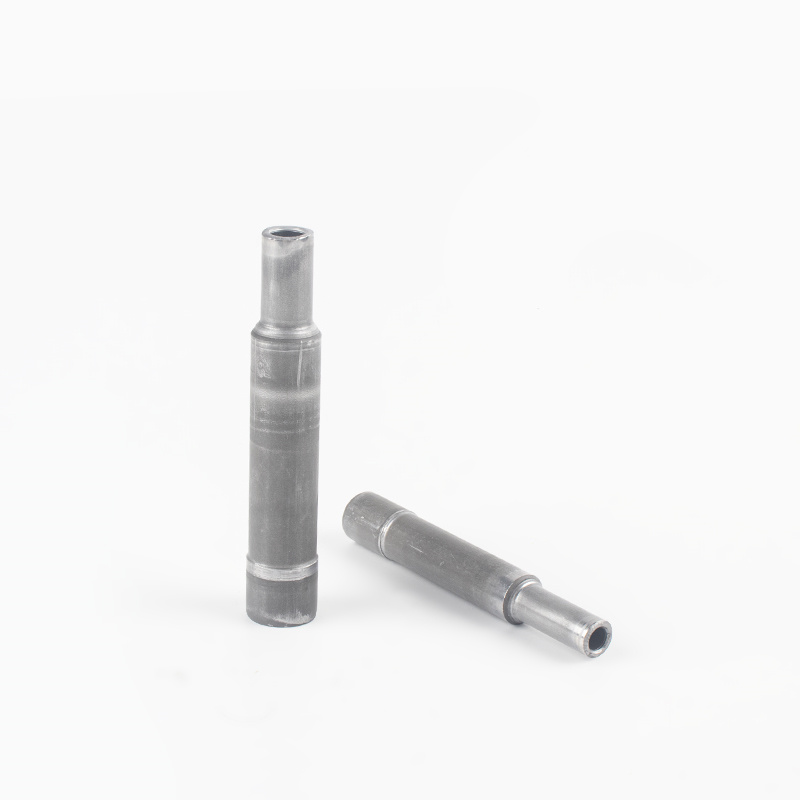
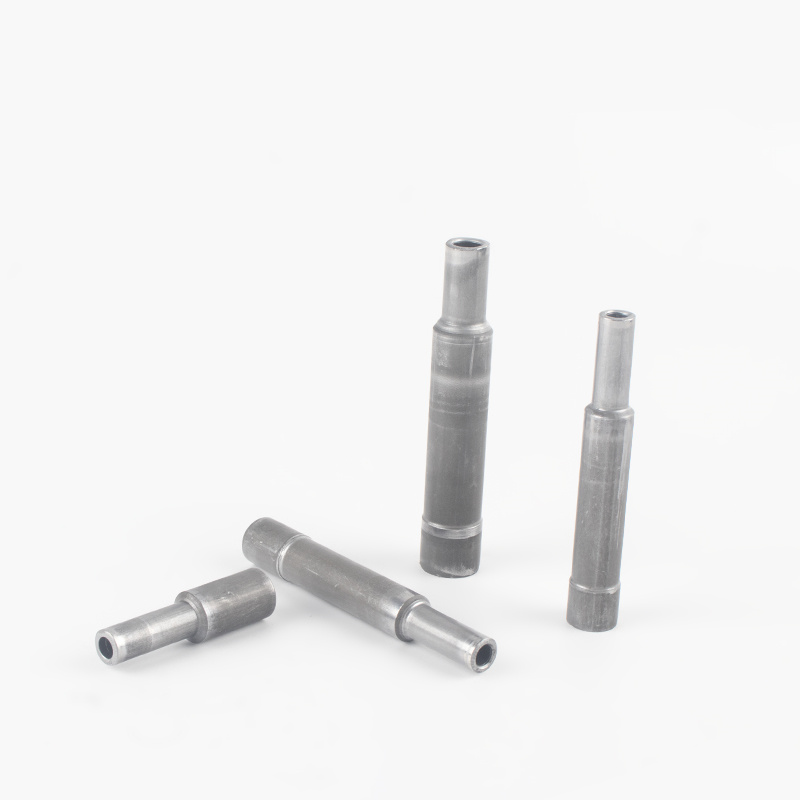
Hydraulic oil pipe joints are key components in hydraulic systems that connect pipelines, hoses, hydraulic pumps, valves, and other components. Their main function is to ensure sealing, withstand high pressure, and achieve reliable connections.
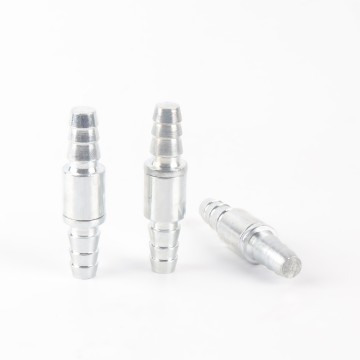
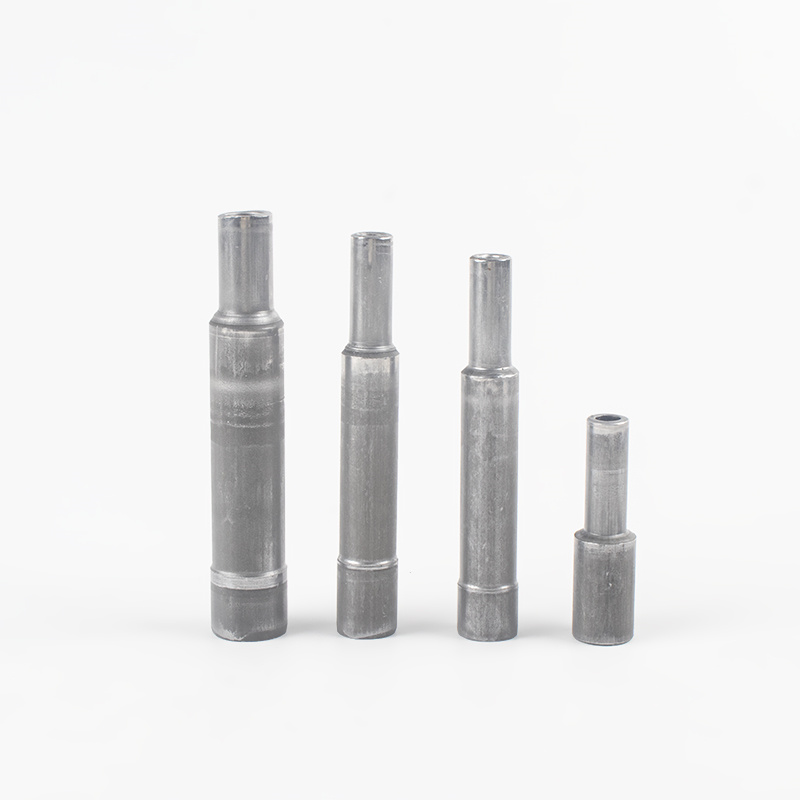
Structurally, it is mainly divided into various forms such as straight through, elbow, tee, variable diameter, hinge, flange, etc. The thread specifications cover metric M, imperial G, American NPT, JIC and other standards. It is matched with O-ring, combination gasket or metal hard seal to achieve high-pressure sealing without oil leakage, firm installation and strong sealing performance.
The advantage lies in excellent pressure resistance, adaptability to high-pressure oil system, reliable connection, earthquake resistance and anti loosening; Complete specifications, strong universality, can quickly connect hydraulic oil pipes of different diameters and threads; Easy disassembly and assembly, convenient for equipment maintenance and pipeline layout.
Mainly used in hydraulic equipment such as excavators, loaders, forklifts, injection molding machines, and presses, responsible for conveying hydraulic oil, ensuring smooth oil flow and stable pressure, it is an indispensable basic component in hydraulic systems.
Common Types
Sealing is achieved by expanding the end of the pipe into a trumpet shape, suitable for medium and low pressure (copper or thin-walled steel pipes).
Using a card sleeve to cut into the pipe wall to form a seal, it is resistant to high pressure and earthquake, and is widely used in construction machinery (steel pipes).
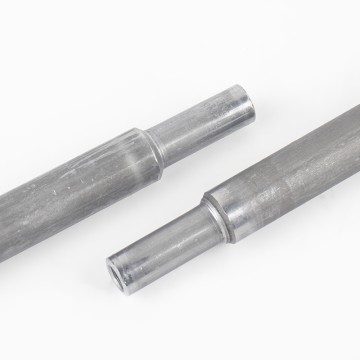
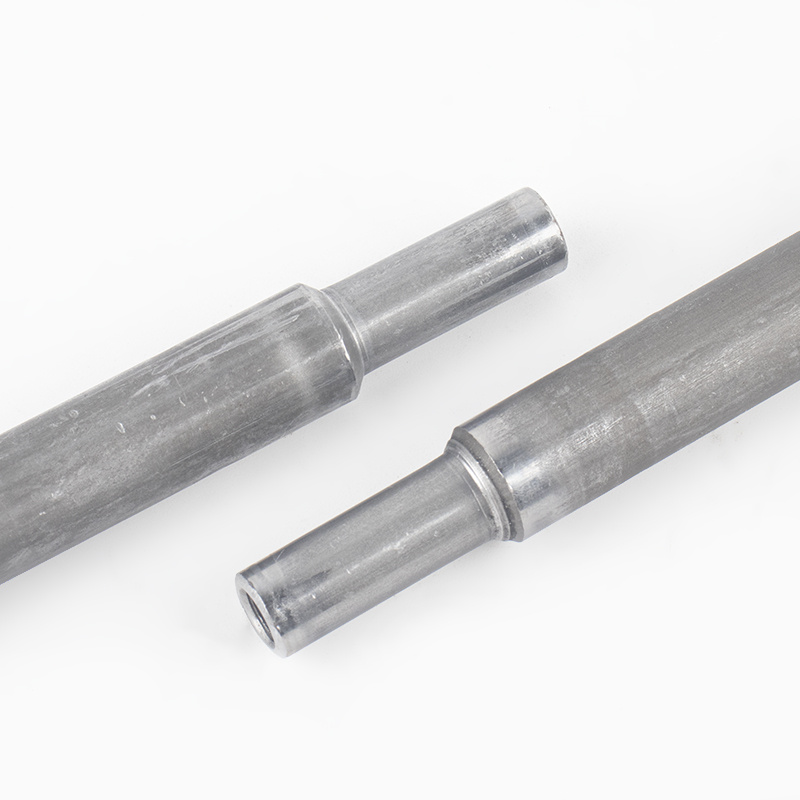
The pipe is welded to the joint body, with high strength and reliable sealing, suitable for high temperature, high pressure or high vibration environments.
Used to connect hydraulic hoses, commonly of the crimping or reusable type, integrated with the hose.
Can be manually and quickly disassembled, used in situations where frequent connection/disconnection is required (such as portable hydraulic tools).
Key Parameters and Selection
It is necessary to match the interface thread, commonly including metric (M), imperial (G, cylindrical pipe thread), American (UNFPA/UN), and tapered pipe thread (PT/NPT). Choosing the wrong option may result in oil leakage or damage to the interface.
Select according to the system working pressure (low pressure, medium pressure ≤ 16MPa, high pressure ≤ 35MPa, ultra-high pressure higher).
It needs to match the inner diameter of the pipeline to ensure flow and avoid pressure loss.
Frequently Asked Questions (FAQ)
Q
What are the main functions of hydraulic oil pipe joints?
Their primary function is to connect pipelines, hoses, hydraulic pumps, valves, and other components while ensuring reliable sealing, high pressure resistance, smooth oil flow, and stable system pressure.
Q
What structural forms and thread standards are available?
They are available in straight through, elbow, tee, variable diameter, hinge, flange, and other forms. Compatible thread specifications include metric (M), imperial (G), American (UNFPA/UN), and tapered pipe threads (PT/NPT).
Q
What types of equipment commonly use hydraulic joints?
They are widely used in heavy-duty and industrial hydraulic equipment, such as excavators, loaders, forklifts, injection molding machines, and presses.
Q
Which joint type is recommended for high vibration or high temperature environments?
Welded joints and card sleeve joints are ideal; welded joints offer high strength and reliable sealing in extreme temperatures and vibration, while card sleeve joints provide excellent earthquake and high-pressure resistance.
Q
Why is selecting the matching thread standard and diameter critical?
Selecting incorrect thread standards can cause severe oil leakage or damaged interfaces, while mismatching the inner diameter can restrict flow and cause significant pressure loss in the hydraulic system.