




High-Pressure Hydraulic Fittings and Oil Pipes from China Suppliers | Factory-Direct Quality Assurance
Product Description
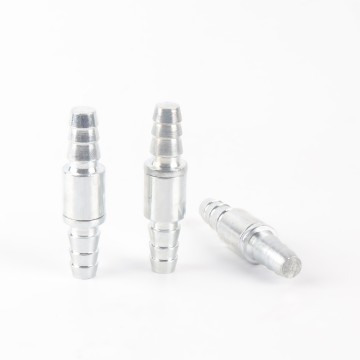
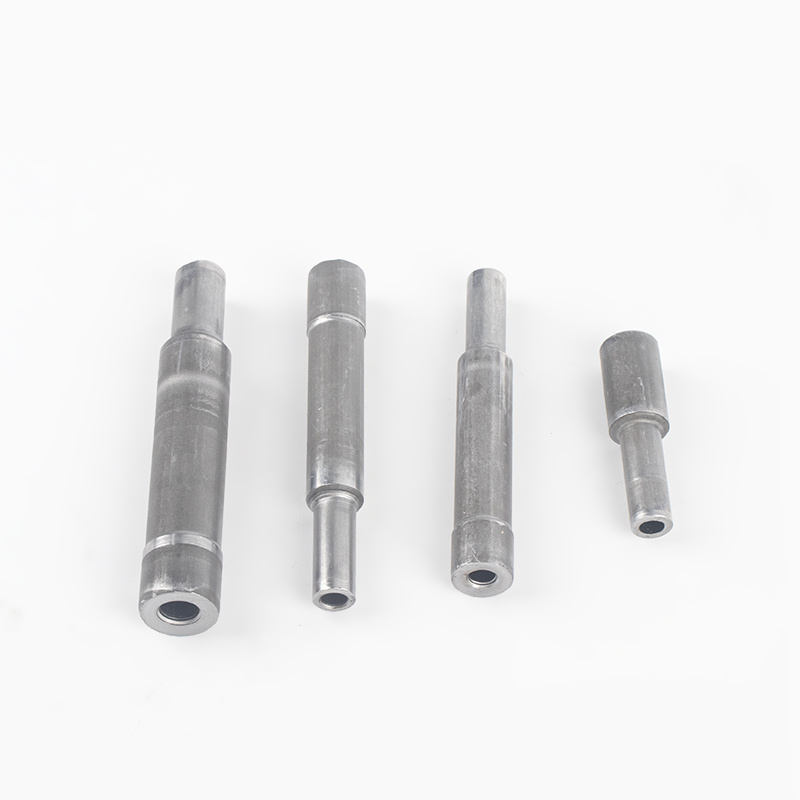
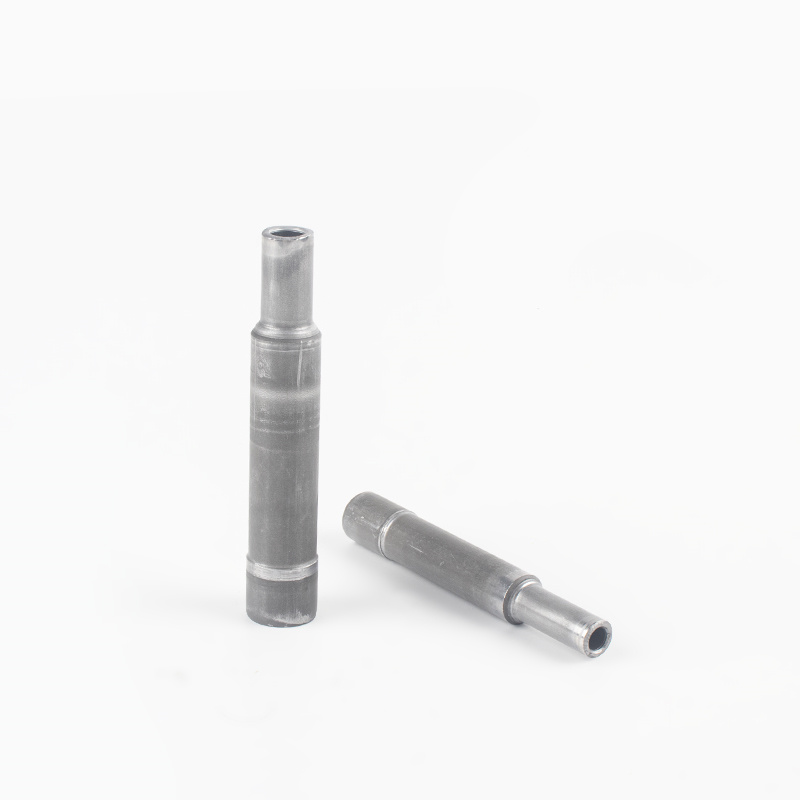
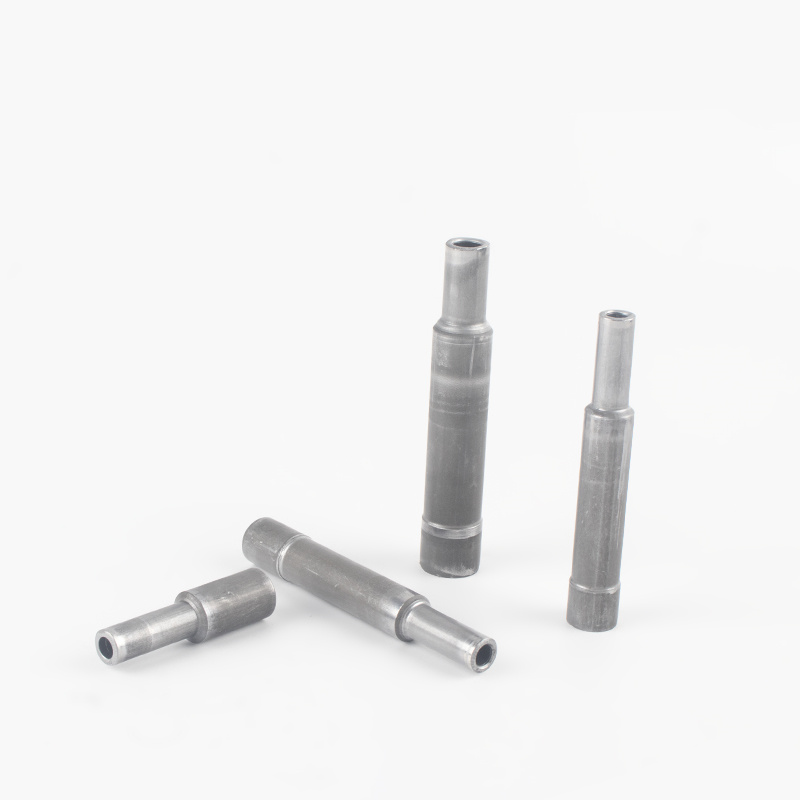
Structurally, it is mainly divided into various forms such as straight through, elbow, tee, variable diameter, hinge, flange, etc. The thread specifications cover metric M, imperial G, American NPT, JIC and other standards. It is matched with O-ring, combination gasket or metal hard seal to achieve high-pressure sealing without oil leakage, firm installation and strong sealing performance.
The advantage lies in excellent pressure resistance, adaptability to high-pressure oil system, reliable connection, earthquake resistance and anti loosening; Complete specifications, strong universality, can quickly connect hydraulic oil pipes of different diameters and threads; Easy disassembly and assembly, convenient for equipment maintenance and pipeline layout.
Mainly used in hydraulic equipment such as excavators, loaders, forklifts, injection molding machines, and presses, responsible for conveying hydraulic oil, ensuring smooth oil flow and stable pressure, it is an indispensable basic component in hydraulic systems.
Common Types
Sealing is achieved by expanding the end of the pipe into a trumpet shape, suitable for medium and low pressure (copper or thin-walled steel pipes).
Using a card sleeve to cut into the pipe wall to form a seal, it is resistant to high pressure and earthquake, and is widely used in construction machinery (steel pipes).
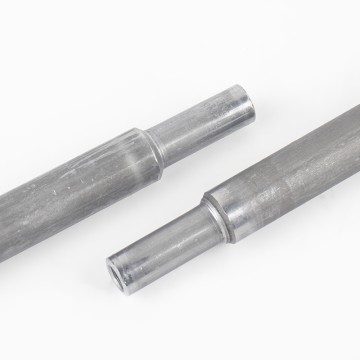
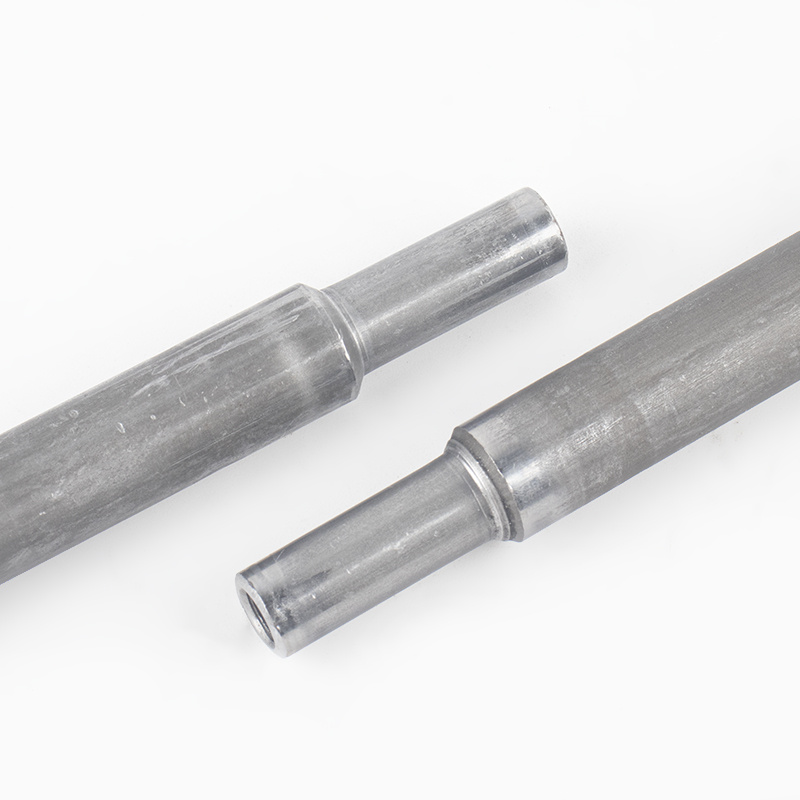
The pipe is welded to the joint body, with high strength and reliable sealing, suitable for high temperature, high pressure or high vibration environments.
Used to connect hydraulic hoses, commonly of the crimping or reusable type, integrated with the hose.
Can be manually and quickly disassembled, used in situations where frequent connection/disconnection is required (such as portable hydraulic tools).
Key Parameters and Selection
It is necessary to match the interface thread, commonly including metric (M), imperial (G, cylindrical pipe thread), American (UNFPA/UN), and tapered pipe thread (PT/NPT). Choosing the wrong option may result in oil leakage or damage to the interface.
Select according to the system working pressure (low pressure, medium pressure ≤ 16MPa, high pressure ≤ 35MPa, ultra-high pressure higher).
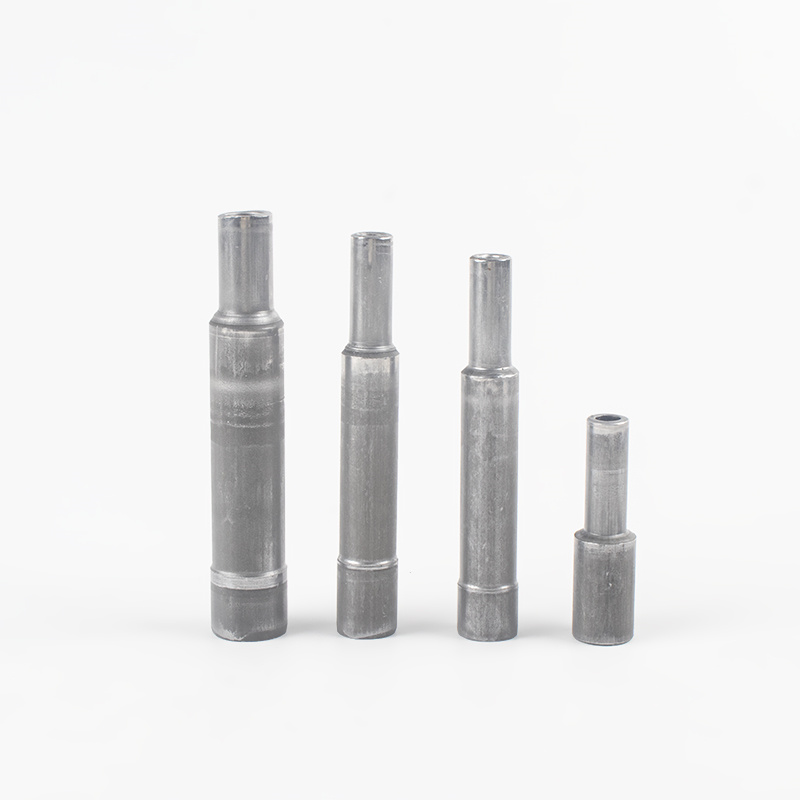
It needs to match the inner diameter of the pipeline to ensure flow and avoid pressure loss.
Frequently Asked Questions
Hydraulic pipe joints are structurally manufactured in diverse forms including straight through, elbow, tee, variable diameter, hinge, and flange configurations, supporting standards like metric M, imperial G, NPT, and JIC.
Fittings achieve high-pressure sealing without oil leakage by pairing with O-rings, combination gaskets, or direct metal hard seals to ensure sturdy and reliable installation.
They are critical components widely installed in hydraulic equipment such as excavators, loaders, forklifts, injection molding machines, and industrial presses to ensure stable oil transmission.
An expansion joint flares the pipe end into a trumpet shape for medium/low pressures, whereas a card sleeve joint cuts directly into the pipe wall, providing superior high-pressure and earthquake resistance.
Choosing the correct thread (such as metric M, imperial G, American UNF/UN, or tapered PT/NPT) is vital; mismatched threading will cause fluid leakage or permanent interface damage.
Pressure levels are categorized based on system requirements: low pressure, medium pressure (≤ 16MPa), high pressure (≤ 35MPa), and ultra-high pressure ratings.