




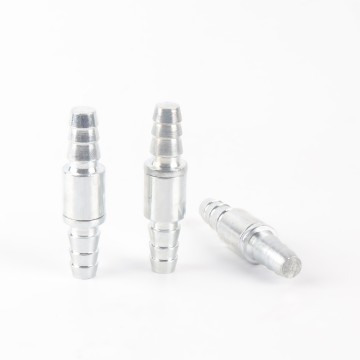
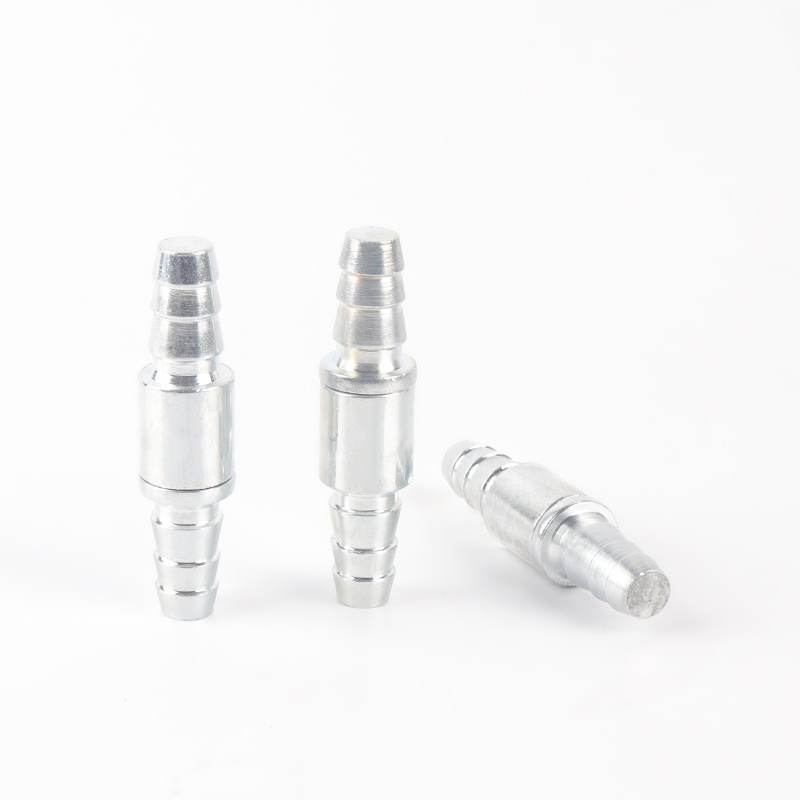
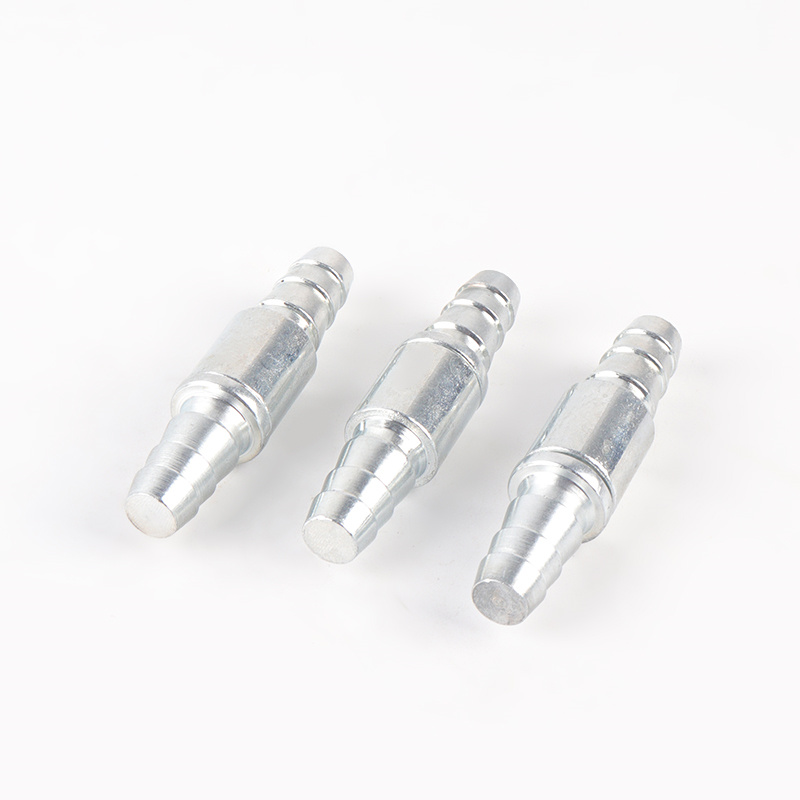
China Suppliers Factory Pipe Brush Nut for Chimney, Pipeline & Rust Removal Tools - High Strength & Wear Resistant
product description
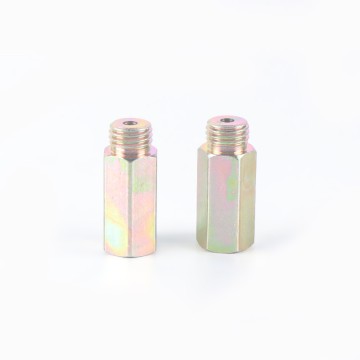
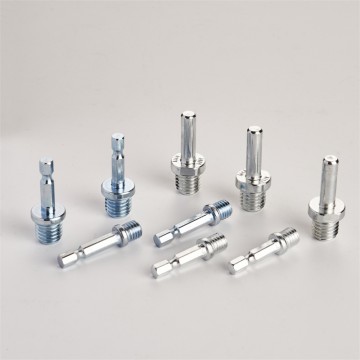
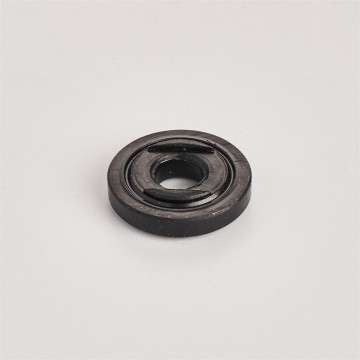
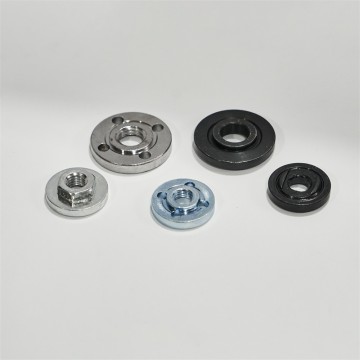
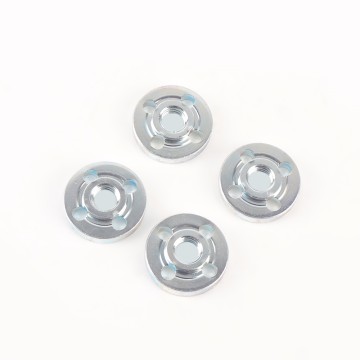
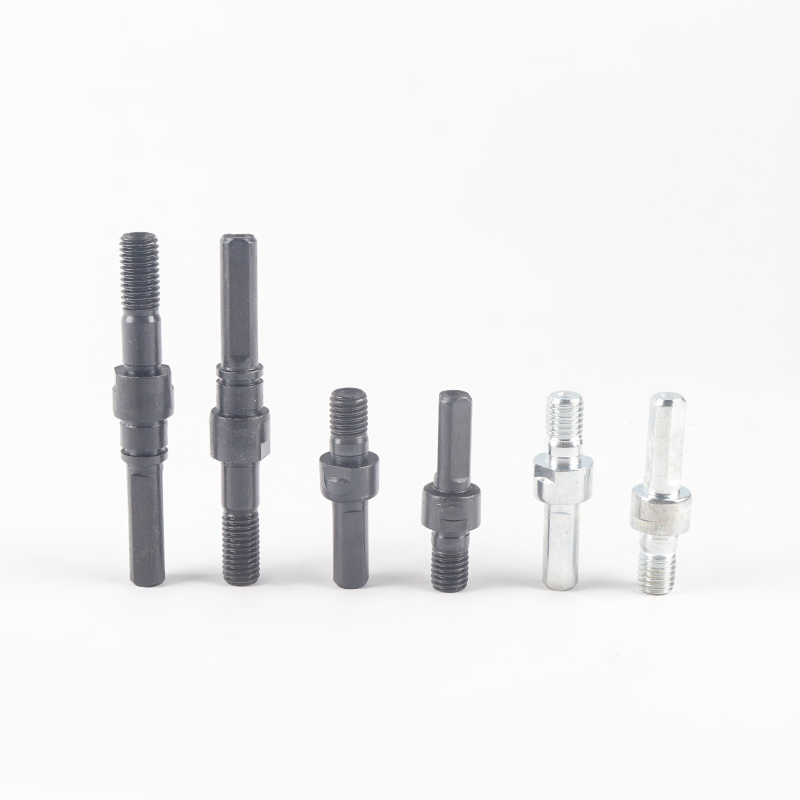
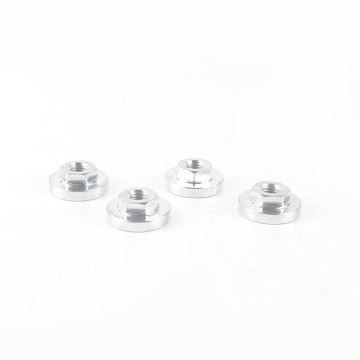
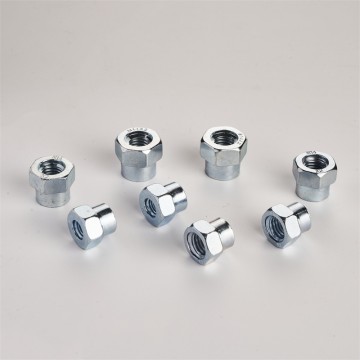
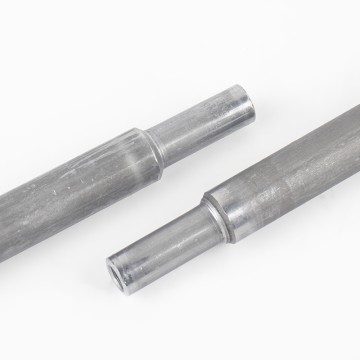
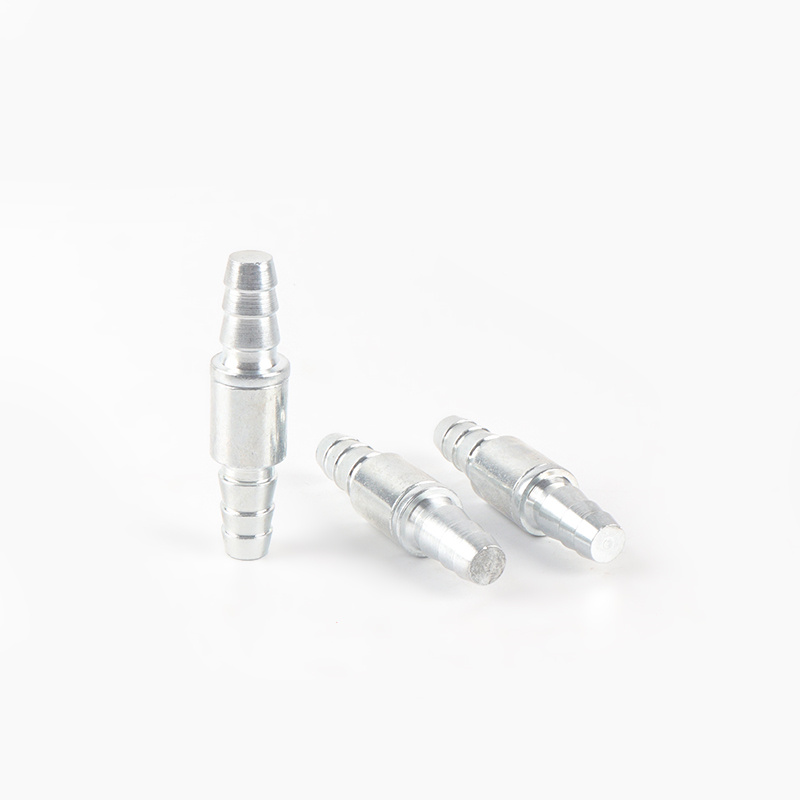
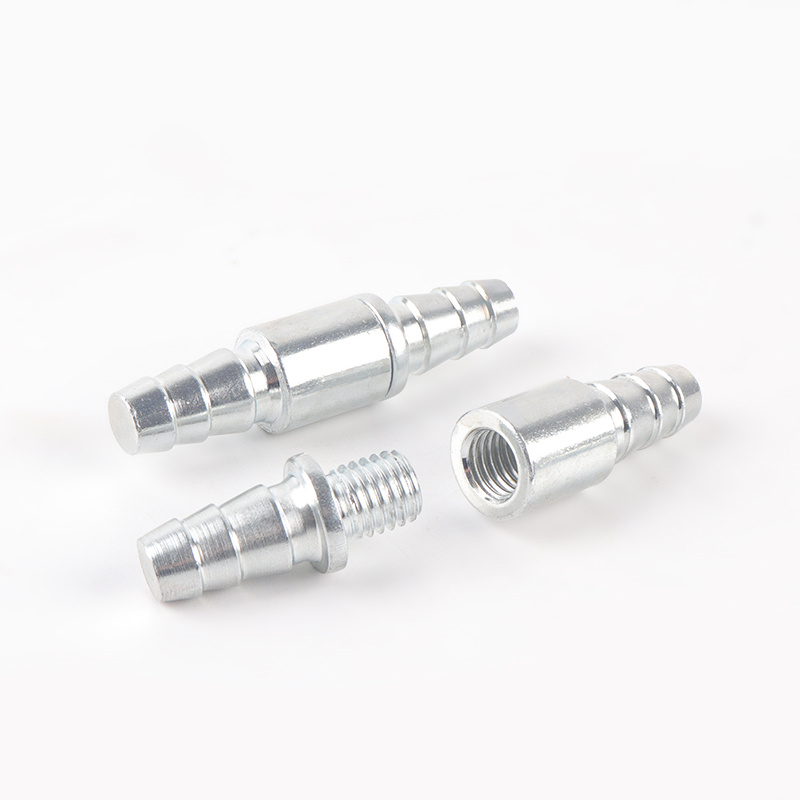
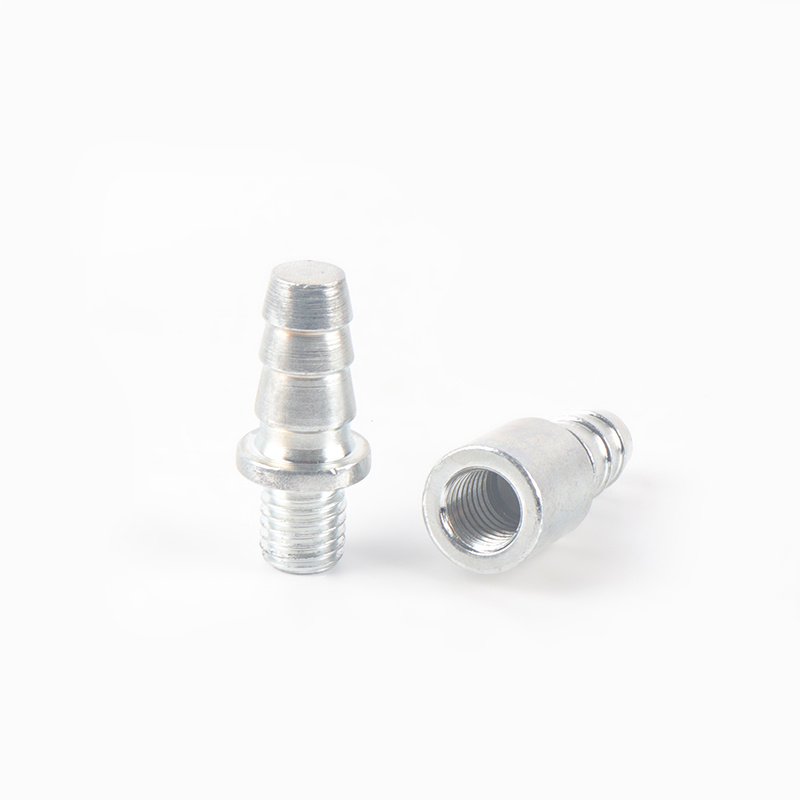
The structure is designed with standard internal threads, with uniform specifications that perfectly match various types of extension rods and connecting rods. Easy to install, simply insert the brush head into the rod and tighten the nut. The clamping is firm, the force is uniform, and it remains stable and reliable even under high-speed rotation and strong dredging operations, effectively preventing the brush head from falling off or shifting.
Mainly used for chimney pipe dredging, boiler flue cleaning, gun barrel inner wall cleaning, steel pipe rust removal and descaling, etc. It is used in conjunction with various long handle brushes and pipe brushes to ensure a tight connection between the brush head and the connecting rod, making the operation safer and more efficient. It is a practical small accessory for the cleaning, maintenance, and dredging industries.
Metal pipe brushes usually refer to industrial brushes used to clean the inner walls of metal pipes, with the core function of removing rust, welding slag, burrs, old coatings, or residues inside the pipes.
According to the driving method and pipeline size, it can be mainly divided into the following types
Straight pipe brush
The most common type, the bristles are wrapped around a metal wire shaft, and the tail can be connected to an extension rod. When cleaning long pipelines (such as steel pipes and hydraulic pipes), it is more effective to use an electric drill to rotate and push them forward at the same time.
Cup shaped pipe brush
It looks like a cup, with bristles on the end face. Mainly used for cleaning the end face of the pipe mouth, flange face, or the area near the mouth inside the pipe.
Spiral pipe brush
The bristles are arranged in a spiral shape, with strong chip removal ability, suitable for cleaning hard scales (such as thick rust layers and cement residues).
Frequently Asked Questions
Q What is the primary function of an industrial metal pipe brush?
The primary function is to clean the internal surfaces of pipes, effectively removing rust, burrs, welding slag, residual coatings, and tough deposits.
Q How does the brush head connect to an extension rod?
It utilizes a standardized internal thread interface. You simply insert the brush head into the matching extension rod and secure it by tightening the nut for a reliable hold.
Q Can these brushes withstand high-speed rotary tools like electric drills?
Yes. The thread connection provides uniform clamping force and balance, ensuring the brush remains stable and securely connected even under high-speed rotation.
Q Which pipe brush type is most suitable for hard scale and cement residues?
A spiral pipe brush is recommended because its spiral bristle configuration offers superior chip removal capability and extra cutting force against thick scale and hard residues.
Q What is the main application for a cup-shaped pipe brush?
Cup-shaped pipe brushes feature bristles focused on the front end face, making them ideal for finishing pipe ends, cleaning flange faces, or clearing the interior near the entrance.
Q Where are these pipeline cleaning brushes typically used?
Common applications include chimney and flue dredging, boiler maintenance, inner barrel bore cleaning, hydraulic steel tubing descaling, and routine pipeline dredging.