These days, people everywhere are still really interested in reliable Car Polisher Parts, especially because the global demand for vehicle maintenance keeps growing. According to Grand View Research, the worldwide automotive aftermarket was valued at around USD 427.9 billion back in 2022, and the projections suggest it’s only going to keep expanding through 2030. This huge market covers all sorts of stuff—polishing tools, replacement parts, consumables, and workshop equipment—you name it.
Another thing to keep in mind is the age of the vehicle. S&P Global Mobility mentioned that in the US, the average age of cars on the road hit about 12.6 years in 2024. Older cars usually need more careful paint correction and regular exterior maintenance, which means there’s always a demand for tough backing plates, carbon brushes, bearings, switches, gears, power cords, and compatible polishing pads. Even small parts can make a noticeable difference—they influence noise, vibration, heat, and how the finish turns out.
But not all parts are created equal, of course. A cheap bearing might seem appealing at first, but if it doesn’t seal properly, it can wear out pretty fast, especially in dusty workshop environments. So, it’s important to compare quality—material, size, voltage, thread types, heat resistance—and also check the supplier’s inspection records. Interchangeability is another key factor—just because a part fits one machine doesn’t mean it’ll work safely on another. Little things like that really matter.
All these details add up, and getting them right can save you a lot of headaches.
This guide is here to help you out by highlighting the Top 10 Car Polisher Parts for buyers around the world, based on practical buying factors. We look at common workshop issues, how often parts need replacing, compatibility risks, packaging, and after-sales service. The info is based on solid market research, manufacturer specs, and real-world maintenance experiences. But — and here’s the honest part — no list or ranking is perfect. How well a part performs can also depend on your habits, climate, and the specific machine design, so it’s smart to keep that in mind before making a big purchase.
Top 10 Car Polisher Parts for Global Buyers
What Car Polisher Parts Do and Why They Matter
A car polisher is only as reliable as its working parts. The backing plate holds the pad firmly. Foam, wool, and microfiber pads control cutting strength and finish quality. The spindle transfers rotation, while bearings reduce vibration and heat. A balanced counterweight helps protect the operator’s hands during long sessions.
The speed controller manages polishing pressure and surface temperature. A strong switch supports repeated starts. Carbon brushes transfer current inside many motors. Cables, plugs, and strain reliefs affect safe daily operation. The outer housing protects internal components from dust and accidental impact. Small parts matter more than many buyers expect.
Grand View Research reports that the global automotive aftermarket is expanding steadily, with a projected compound annual growth rate above 4% through 2030. That growth increases demand for repair and detailing equipment, including replacement polisher parts. Industry maintenance guidance also stresses vibration control, ventilation, and electrical inspection. These checks can extend tool life, though users often delay them.
In practical workshops, a worn pad can create uneven marks within seconds. A loose backing plate may leave circular defects. A damaged bearing can produce a sharp, rising noise. I have also seen buyers choose maximum power without checking pad compatibility. That decision often reduces control. Performance is not always the same as precision.
The ten essential parts in a car polisher determine its control, durability, and finishing quality. The motor supplies rotational power. A stable motor should run smoothly without excessive vibration. The backing plate holds the polishing pad firmly and supports even pressure. The polishing pad contacts the paint surface and requires the correct foam density for each task. The spindle connects the motor to the backing plate, so accurate threading is important. A speed controller helps users reduce speed near edges and increase it on broad panels.
The trigger or power switch controls operation during long polishing sessions. It should feel responsive, not loose. The outer housing protects internal components from dust and accidental impacts. A cooling fan moves heat away from the motor. Without proper airflow, performance may decline during repeated panel work. Carbon brushes transfer electrical current inside many traditional motors. They wear gradually and need regular inspection. The power cable assembly must have strong insulation and suitable regional specifications for global buyers.
Reliable Car Polishing Accessories should fit securely and resist heat. Check thread size, pad diameter, cable quality, and replacement availability before purchasing. In practical workshop checks, small mismatches create large problems. A slightly uneven pad can leave visible rings under bright inspection lighting. I once underestimated cable flexibility; it made overhead polishing tiring. That detail still deserves more attention. Oscillation, noise, and heat should be tested after several minutes, not only during a quick demonstration.
Choosing car polisher parts starts with the surface, not the machine. A Polisher Backing Pad should match the pad diameter, thread, and tool speed. A firm backing pad supports cutting work on oxidized paint. A softer one improves control during finishing. Foam pads suit light correction, while wool pads remove heavier marks faster. The wrong combination can create heat, vibration, or uneven polishing.
A firm backing pad supports cutting work on oxidized paint.
A softer one improves control during finishing.
Other useful parts include replacement gears, bearings, carbon brushes, speed controllers, spindles, handles, switches, counterweights, and power cords. Match gears and bearings with the machine’s model and shaft measurements. For curved bumpers, choose a smaller pad and flexible backing system. For broad panels, a larger pad saves time but needs steadier handling. Global buyers should verify voltage, plug standards, thread size, and replacement availability before ordering. Small differences matter.
Tips: Measure twice before purchase. Check the pad’s maximum speed. Inspect the backing pad for cracks and wobble. Test new parts on a spare panel first. In workshop testing, a perfectly sized pad often performs better than a more expensive one. Still, compatibility charts can be incomplete. I have seen similar-looking parts fit poorly after several minutes of use. That mistake is easy to repeat. Keep photos, dimensions, and machine details for every order.
A reliable polisher begins with the correct parts, not maximum speed. The ten most examined components include backing plates, foam pads, wool pads, bearings, gears, shafts, switches, brushes, guards, and power cords. Material changes performance. Aluminum backing plates stay rigid, while reinforced polymer parts reduce hand fatigue. Foam density matters too. Soft foam suits finishing work; firm foam handles deeper oxidation.
Size must match the machine and the panel. A 5-inch plate offers better control around mirrors and body lines. A 6-inch plate covers flatter doors faster. Never force a larger pad onto a smaller plate. It can create vibration, uneven pressure, and premature bearing wear.
Check thread direction, spindle diameter, shaft length, and rated speed. I have seen buyers overlook thread pitch. That small mistake can stop a complete order.
Compatibility also depends on voltage, frequency, connector type, and replacement tolerances. S&P Global Mobility’s 2024 vehicle-age report places the average U.S. light-vehicle age at 12.6 years. Older vehicles may need gentler pads and more precise speed control. The Auto Care Association’s 2024 Factbook also identifies aging vehicles as a continuing aftermarket demand driver. Test one sample part first. Catalog measurements can be incomplete. A supplier should provide drawings, material grades, runout limits, and safety test records. ISO 12100 risk-assessment principles remain useful when evaluating guards, switches, and rotating assemblies.
Global buyers should treat safety as a purchasing requirement, not an afterthought. The UK HSE reported about 1.7 million workers with work-related illness in 2023/24. A vibrating polisher can worsen hand fatigue, dust exposure, and control loss when poorly maintained. Check the backing plate, polishing pad, spindle, guard, switch, power cord, bearings, carbon brushes, housing, and Polisher Connecting Rod before shipment.
Keep it practical. Replace cracked pads immediately. Inspect cords for crushed insulation and loose plugs. Clean ventilation slots with dry air, not water. Bearings should rotate smoothly, without grinding sounds or excessive heat. The IEC 62841 series addresses safety requirements for portable motor-operated tools, while OSHA guidance highlights flying particles, electric shock, and moving-part hazards. Buyers should request test records, insulation checks, and operating instructions in the destination language.
Maintenance records matter. Log inspection dates, replaced parts, unusual vibration, and operator complaints. A simple checklist near the workbench helps, although workers may skip it during busy periods. That is a weakness worth correcting. Dust masks alone cannot fix poor extraction or damaged seals. Use compatible parts, confirm voltage and plug standards, and verify local certification before installation. Never assume one compliance document covers every market. Temperature, humidity, and transport damage can change performance after delivery. Fresh inspection is still necessary.
| No. | Polisher Part | Primary Function | Common Materials | Key Safety Requirement | Maintenance Requirement | Recommended Inspection | Replacement Indicators | Global Buyer Compatibility Notes |
|---|---|---|---|---|---|---|---|---|
| 1 | Backing Plate | Supports and secures polishing pads while transferring the machine’s motion to the pad. | Nylon, reinforced polymer, rubber, hook-and-loop fabric, or polyurethane foam. | Use a plate with the correct diameter, thread, and maximum rated speed. Do not operate with cracks, deformation, or exposed fasteners. | Remove dust and dried compound after use. Keep the attachment surface clean and securely fastened. | Before every use and after any impact. | Wobbling, delamination, torn hook material, uneven rotation, cracks, or damaged threads. | Thread size, plate diameter, orbit size, and maximum RPM must match the polisher model. |
| 2 | Foam Polishing Pad | Spreads polishing compound and controls the level of cutting, polishing, or finishing. | Open-cell or closed-cell polyurethane foam with hook-and-loop backing. | Use the pad within its rated speed and keep it flat against the surface to reduce heat and edge grabbing. | Clean promptly according to the foam manufacturer’s instructions. Allow the pad to dry fully before storage. | Before each job and during extended polishing sessions. | Torn foam, hardened compound, collapsed cells, separation from backing, or excessive heat buildup. | Select a pad diameter that does not exceed the backing plate and confirm suitability for the selected compound. |
| 3 | Microfiber or Wool Pad | Provides higher cutting ability for removing oxidation, sanding marks, or heavier paint defects. | Microfiber, natural wool, synthetic wool, and fabric backing. | Monitor panel temperature and use controlled pressure; aggressive pads can remove paint quickly or create excessive heat. | Brush or blow out residue after use and wash only when permitted by the pad construction. | Before every use and whenever the pad becomes saturated. | Loose fibers, uneven pile, backing separation, permanent contamination, or loss of cutting performance. | Check pad diameter, attachment method, maximum speed, and suitability for rotary or random-orbital motion. |
| 4 | Spindle and Thread Assembly | Connects the backing plate to the drive mechanism and transfers rotational force. | Hardened steel, alloy steel, retaining nuts, and locking components. | Disconnect power before changing accessories. Tighten only to the specified torque and avoid cross-threading. | Keep threads free from compound and inspect for burrs, corrosion, and looseness. | Before each accessory change and after abnormal vibration. | Stripped threads, bent spindle, persistent runout, excessive play, or damaged locking parts. | Thread specification and spindle length must correspond to the intended backing plate and machine design. |
| 5 | Ball Bearings | Support rotating shafts and reduce friction inside the gearbox and motor assembly. | Sealed steel bearings with hardened steel races and balls. | Do not operate if grinding noise, shaft play, or overheating indicates bearing failure. | Keep ventilation openings clean and prevent abrasive dust or water from entering the housing. | Check during routine service or whenever noise, vibration, or temperature changes occur. | Grinding or rumbling noise, rough rotation, excess radial play, overheating, or grease leakage. | Bearing dimensions, sealing type, clearance, and temperature rating must match the original specification. |
| 6 | Carbon Brush Set | Transfers electrical current to the rotating armature in brushed motor designs. | Electrographite or carbon-based brush material with copper leads and springs. | Unplug the tool before inspection. Replace both brushes as a matched set when required by the service instructions. | Keep brush holders clean and check that each brush moves freely without sticking. | At scheduled service intervals or when motor performance changes. | Excessive sparking, reduced power, intermittent operation, short brush length, or damaged springs. | Brush dimensions, grade, lead position, and spring force must match the motor. Brushless tools do not use this part. |
| 7 | Speed Control Module | Regulates motor speed to provide controlled polishing for different surfaces and compounds. | Electronic control board, heat sink, potentiometer, switch components, and insulated wiring. | Use only with the specified voltage, current, motor type, and speed range. Disconnect power before opening the housing. | Keep the housing dry and clean. Do not block airflow around heat-dissipating components. | Functional check before use and electrical inspection during professional servicing. | Unstable speed, failure to start, burning odor, overheating, or controls that do not respond correctly. | Confirm regional voltage and frequency requirements. A speed controller is not a substitute for a voltage converter. |
| 8 | Power Cord and Plug | Supplies electrical power and provides the connection to the local electrical system. | Flexible copper conductors, PVC or elastomer insulation, strain relief, and region-specific plug materials. | Use the correct plug type, grounding arrangement, cable rating, and residual-current protection where required by local rules. | Keep away from heat, sharp edges, water, and moving parts. Coil loosely without tight bends. | Before every use. | Cuts, exposed conductors, crushed insulation, loose plug pins, damaged strain relief, or intermittent power. | Plug configuration, rated voltage, frequency, grounding, and certification requirements vary by destination market. |
| 9 | Cooling Fan and Vent Cover | Moves air through the tool to reduce motor and electronic component temperatures. | Molded polymer fan blades, metal or polymer guard, and protective mesh. | Never operate with blocked vents or a loose fan. Stop the tool if overheating or unusual fan noise occurs. | Clean vents with a soft brush or dry compressed air at low pressure; avoid forcing debris into the motor. | Before use and after dusty polishing work. | Cracked blades, blocked openings, fan wobble, rubbing noise, or reduced airflow. | Fan geometry and direction of rotation must match the motor and housing design. |
| 10 | Trigger Switch and Lock Button | Controls motor start, stop, and continuous-operation functions where provided. | Polymer switch housing, copper contacts, springs, insulation, and mechanical lock components. | The trigger must release reliably and the tool must stop when the control is released. Do not bypass safety functions. | Keep the switch area dry and free of compound residue. Avoid spraying liquid cleaners into the housing. | Before every use. | Sticking trigger, delayed shutdown, arcing, intermittent operation, cracked housing, or failed lock mechanism. | Switch dimensions, contact rating, wiring layout, and compatibility with the tool’s voltage must be verified before purchase. |
Note: Inspection intervals are general guidance. Always follow the tool manufacturer’s service instructions and the electrical and workplace-safety requirements applicable in the destination market.
Top 10 Car Polisher Parts for Global Buyers
How to Compare Suppliers, Quality, and Total Cost
Global buyers should compare more than the listed price. The ten key parts include backing plates, polishing pads, spindle assemblies, gears, bearings, carbon brushes, switches, power cords, cooling fans, and housings. Angle Grinder Parts may look similar, but thread size, heat resistance, and fit can differ sharply. A wrong backing plate may vibrate within minutes.
From workshop purchasing experience, I check material specifications, dimensional drawings, and batch inspection records. Ask suppliers for sample parts before placing a large order. Test pad balance, spindle runout, switch response, and bearing noise under realistic loads. Small details matter. A quiet bearing often signals better machining.
Quality needs evidence. Look for traceable production records, consistent packaging, and clear replacement procedures. Confirm the supplier’s minimum order quantity, lead time, export documents, and warranty terms. These details affect the total cost more than many buyers expect. A cheap part can become expensive after returns, delays, and damaged vehicle finishes.
I once focused too heavily on unit price. That was a mistake. Freight, customs charges, inspection fees, storage, and failure rates changed the final calculation. Request a landed-cost quotation for every supplier. Compare identical specifications, not attractive photographs. Suppliers should also explain how they handle design changes and shortages. If answers remain vague, the risk is already visible.
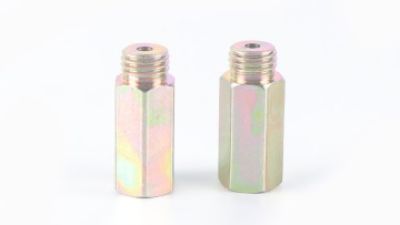
The angle grinder conversion adapter market is benefiting from continued growth in construction, metalworking, maintenance, and do-it-yourself applications. Recent industry research reports forecast mid-single-digit annual growth for the global power-tool sector through the end of this decade, while demand is increasingly shaped by tool versatility, durability, and workplace safety. As users seek to extend the function of existing grinders, thread adapters have become a practical solution for supporting compatible accessories without replacing the entire machine.
This angle grinder thread adapter is manufactured from 45# carbon structural steel and processed through cold heading, quenching, tempering, and heat treatment. These steps improve internal toughness and torsional strength, helping the adapter resist slippage, deformation, and fatigue during high-speed operation. Its galvanized, passivated, rust-resistant surface is designed for dusty and humid construction environments, supporting more dependable service and easier maintenance.
Safety remains central to the conversion-adapter trend. Occupational safety reports consistently identify incorrect accessory installation, excessive operating speed, and inadequate personal protective equipment as major risks in abrasive-tool use. Before operation, users should confirm thread compatibility, maximum rated speed, secure tightening, guard positioning, and accessory condition. Eye and hearing protection, gloves, suitable clothing, and controlled handling are also essential. This factory-supplied adapter is intended for trained professionals who require a stable, durable connection for compatible angle-grinder applications.
The backing plate, polishing pad, spindle, motor, and speed controller matter most. A worn pad can leave uneven rings within seconds. Small parts matter.
Match the pad diameter, backing plate size, foam density, and attachment method. Soft foam suits finishing. Firmer foam removes heavier marks. Check the fit.
A loose plate can create circular defects and uneven pressure across the panel. Stop and inspect the threads, attachment surface, and pad edge. Do not ignore wobble.
The spindle transfers rotation, while bearings reduce vibration and heat. A sharp, rising noise may indicate bearing wear. Feel the housing carefully. Excessive heat needs attention.
It allows slower movement near edges and faster work across broad panels. Lower speed can improve control. Maximum power is not precision. I sometimes overestimated power.
Carbon brushes transfer current in many traditional motors and wear gradually. The cooling fan removes heat during repeated panel work. Inspect airflow. Dust can restrict cooling.
Choose strong insulation, suitable regional electrical specifications, and reliable strain relief. The switch should feel responsive, not loose. The housing should resist dust and minor impacts.
Confirm thread size, pad diameter, replacement availability, cable condition, and accessory fit. Run the tool for several minutes. Watch for vibration, rising heat, uneven rotation, or unusual noise. A quick demonstration can mislead. I once underestimated cable flexibility; overhead work became tiring.
Car Polisher Parts are essential components that determine a polisher’s performance, control, durability, and safety. This guide explains the role of ten important parts, including backing plates, polishing pads, spindles, gears, motors, switches, handles, housings, bearings, and power-related components. Understanding how each part works helps users select suitable combinations for tasks such as paint correction, scratch removal, surface polishing, and final finishing.
For global buyers, choosing the right parts requires careful attention to material quality, dimensions, attachment systems, power requirements, and equipment compatibility. The guide also highlights safe operation, regular cleaning, inspection, lubrication, and timely replacement to maintain reliable performance. When comparing suppliers, buyers should evaluate manufacturing consistency, product testing, technical support, delivery capability, warranty terms, and total ownership cost rather than focusing only on the initial price. A well-matched selection of Car Polisher Parts can improve efficiency, extend tool life, and support stable polishing results across different working environments.