China has really become a major hub for sourcing industrial cutting equipment and replacement parts. They have a pretty wide range of machining capabilities, competitive prices, and a dense network of suppliers. But, let’s be honest—price alone doesn’t really tell you if a Cutting Machine Parts supplier is trustworthy. You’ve gotta dig a little deeper.
According to Grand View Research, the global market for cutting tools hit about USD 23.3 billion in 2023. They’re also expecting this growth to keep going through 2030, fueled by industries like automotive, aerospace, electronics, and manufacturing in general. Then there’s Fortune Business Insights, which estimates the worldwide machine tools market was over USD 86 billion in 2023. These numbers tell us something important: the quality of the components really impacts a huge part of the entire production ecosystem.
Honestly, it’s the small details that make all the difference.
For example, a worn-out bearing can cause vibrations and mess up your work. Or, using a low-quality blade holder might damage an expensive piece of work. So, when you’re shopping around, don’t just look at product photos—make sure to check material certificates, dimensional tolerances, heat treatment processes, coating durability, delivery records, and after-sales support. Those things matter way more than just a pretty picture.
W. Edwards Deming, a respected expert in manufacturing quality, once said, “Quality comes not from inspection, but from the improvement of the production process.” That’s still completely true today, especially when evaluating Chinese manufacturers. Keeping processes consistent and under control often beats having a flashy catalog.
This guide takes a look at ten China-based Cutting Machine Parts suppliers using some practical criteria: their manufacturing experience, product variety, quality assurance systems, export capability, customization options, and customer feedback. Just a heads-up, though—there’s no absolute ranking here. Supplier info can change pretty fast, and sometimes, the public info isn’t all there is. So, it’s really smart to request samples, drawings, inspection reports, and clear warranty details before you commit to any big orders.
What Are Cutting Machine Parts and Why Do They Matter?
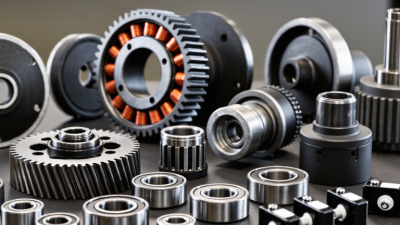
Cutting machine parts are the working elements that transfer power, guide movement, and control cutting accuracy. Common parts include blades, bearings, belts, guides, fasteners, sensors, and motor couplings. The Cutting Machine Arbor is especially important because it holds the blade firmly and keeps rotation stable. A worn arbor can create vibration, uneven edges, and unnecessary material waste.
These components matter because small defects can affect the entire production process. A damaged bearing may produce heat and noise before failure becomes obvious. Loose guides can shift during operation, leaving rough or inconsistent cuts. In practical maintenance work, checking alignment, lubrication, and fastener tension often prevents larger repairs. However, visual inspection alone is not enough. Some cracks appear only under load, and some vibration comes from incorrect assembly rather than damaged parts. That detail is easy to overlook.
Tips: Match each replacement part with the machine’s specifications, operating speed, and material type. Inspect the arbor, blade seat, and bearings together. Keep a simple service record with dates, symptoms, and replaced components. This record helps technicians identify repeated problems. Do not select parts by price alone. Fit, tolerance, material strength, and supplier documentation also matter. A reliable supplier should provide clear measurements, consistent quality, and practical technical support. Yet even good parts can fail early when installation is rushed. Precision begins before the machine starts.
How Were China’s Top 10 Cutting Machine Parts Suppliers Selected?
China’s top 10 cutting machine parts suppliers were selected through a practical, evidence-based review. The ranking did not rely on online visibility alone. It considered product consistency, engineering capability, delivery performance, and technical support. Portable Cutting Machine users often need compact, reliable parts that fit without repeated adjustments.
Each supplier was assessed against several working criteria. We reviewed component drawings, material specifications, machining tolerances, and quality inspection records. Sample parts were checked for surface finish, hole alignment, edge strength, and dimensional stability. A poorly aligned bearing seat can create vibration within minutes. That detail matters.
We also examined factory experience and communication during technical inquiries. Suppliers received questions about replacement compatibility, maintenance intervals, packaging, and failure handling. Clear answers showed stronger professional knowledge. Evidence of process control, traceable inspection, and responsible material sourcing improved reliability. Delivery history and after-sales response were included, but not treated as perfect proof. Production conditions can change.
The final selection used a weighted scoring system, with quality and compatibility receiving greater importance than price. Yet the method has limits. A sample cannot represent every production batch, and a factory visit may show only one working day. We therefore compared multiple records and looked for consistent evidence. Some scores required careful judgment rather than simple mathematics. That uncertainty remains.
China Top 10 Cutting Machine Parts Suppliers? - How Were China’s Top 10 Cutting Machine Parts Suppliers Selected?
The ranking uses a transparent, non-brand-specific evaluation framework. Suppliers were assessed by product range, manufacturing capability, quality management, export experience, customization support, and after-sales service. The percentages show the editorial weighting assigned to each selection criterion, not the market share or sales performance of any individual supplier.
China’s Top 10 Cutting Machine Parts Suppliers
China’s top 10 cutting machine parts suppliers usually specialize in blades, holders, guide rails, bearings, motors, sensors, belts, gears, control panels, and vacuum components. These suppliers serve packaging, textile, leather, metal, and sign-making equipment. A strong supplier should provide stable dimensions, material certificates, and repeatable inspection records.
During factory evaluations, I check blade hardness, rail straightness, motor noise, and connector quality. A small deviation can create uneven cuts or excessive waste. The best suppliers normally support custom drawings, sample testing, and batch traceability. They also explain tolerances clearly instead of promising impossible accuracy. That matters.
Price is only one factor. Reliable suppliers maintain production schedules, protect parts during shipping, and respond when a replacement fails. Ask for test reports, packing photographs, and a written warranty before placing a large order. For electronic parts, confirm voltage, communication protocols, and operating temperature. For mechanical parts, verify dimensions, surface treatment, and compatible models.
No ranking is permanent. Supplier performance can change with materials, staffing, or subcontracting. I have seen attractive samples fail after several weeks because lubrication guidance was missing. A careful buyer should compare at least three quotations and inspect critical parts before shipment. The most suitable choice is not always the cheapest one; it is the supplier that delivers consistent parts, practical support, and honest limitations.
What Products and Services Do These Suppliers Offer?
China’s top cutting machine parts suppliers typically offer more than replacement components. Their product ranges may include cutting blades, rotary knives, knife holders, cutting heads, drive belts, gears, rollers, bearings, sensors, and control components. Cutting Machine Accessories are often supplied for fabric, leather, foam, paper, packaging, and composite materials.
Experienced suppliers usually work from machine models, technical drawings, or sample parts. They can recommend blade angles, steel grades, coatings, and hardness levels for different materials. Some provide CNC machining, grinding, heat treatment, surface finishing, and small-batch production. This matters when a blade must cut cleanly without leaving melted edges or rough fibers.
Reliable service should include dimensional inspection, material certificates, sample approval, and production tracking. Clear packaging also protects sharp parts during long-distance shipping. Some suppliers offer installation guidance, maintenance instructions, and troubleshooting through photos or video calls. I have found that response speed matters when a production line stops. Still, a low quotation can hide inconsistent tolerances or limited testing. Buyers should compare drawings, inspection records, warranty terms, and replacement policies instead of judging price alone. Suppliers may also adjust designs after field feedback, although the first proposal is not always perfect.
How Do the Leading Suppliers Compare in Quality and Value?
China’s top 10 cutting machine parts suppliers often differ less in price than in consistency. Quality appears in small details: clean threads, stable dimensions, smooth bearings, and packaging that prevents surface damage. During supplier evaluations, request material certificates, inspection records, and sample parts from the same production batch. A polished catalog is not enough. Ask how rejected components are handled.
Tips: Compare at least three quotations. Check tolerances, delivery records, warranty terms, and replacement procedures. For Polishing Machine Parts, inspect the contact surface under bright light. Fine scratches may reduce finishing accuracy. Test-fit critical parts before placing a large order.
Value includes service after delivery. A lower-priced blade holder can become expensive if its holes require reworking. One supplier may offer faster production, while another provides stronger quality control. Both claims need evidence. Request dimensional reports and, when possible, conduct a small trial order. I once focused too heavily on unit price and overlooked packing quality; several parts arrived with minor dents. That mistake changed my evaluation method. Reliable suppliers explain limitations clearly, although their communication may not always be perfect. Compare measurable performance, not attractive promises.
What Should Buyers Consider Before Choosing a Supplier?
Choosing among China’s top ten cutting machine parts suppliers requires more than comparing online prices. Buyers should inspect production capability, quality controls, and communication habits before placing an order. A polished website proves little.
Ask for material certificates, dimensional reports, and recent inspection records. Confirm tolerances for shafts, blades, gears, or custom brackets. A supplier should explain how workers measure each part, not merely promise “high quality.” Request a sample made with the same material and process as the final order. Check its edge finish, hole position, hardness, and fit under real operating conditions.
Look closely at traceability. Can the supplier identify the batch, operator, and inspection date? Can it replace a defective part without creating a second problem? These details matter when a cutting line stops unexpectedly. Clear drawings, revision control, and written acceptance standards reduce misunderstandings. Communication speed also matters. A delayed answer about a 0.02 mm tolerance may signal weak engineering support.
Price still matters, but the lowest quotation can hide thin material, unstable dimensions, or expensive rework. Calculate tooling, packaging, freight, taxes, and possible downtime. Verify export documents and compliance with the destination market’s safety requirements. Factory visits, video inspections, and independent testing add confidence. They do not remove every risk. I have found that even careful buyers can overlook packaging damage during sample approval. Recheck it. A reliable supplier welcomes precise questions and admits limitations instead of offering effortless promises.
China Angle Grinder Cutting Disc Pressure Plate Suppliers: Factory Direct 100, 125, 150, 180 and 230 Models
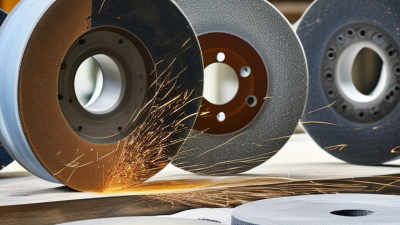
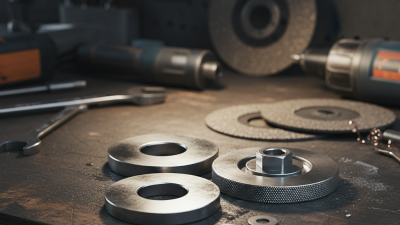
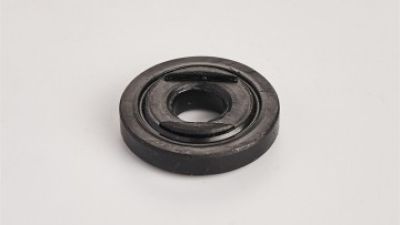
China angle grinder cutting disc pressure plate suppliers provide practical solutions for workshops, contractors, and tool distributors seeking dependable components at factory-direct prices. Available in 100, 125, 150, 180, and 230 models, these pressure plates are designed to support cutting discs securely and promote stable operation during demanding tasks. Careful dimensional control and durable construction help ensure consistent performance across different grinder sizes and working conditions.
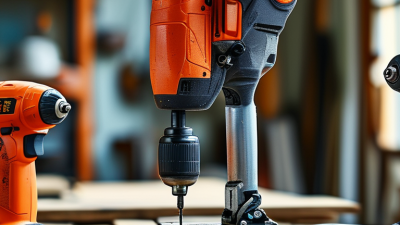
The matching spindle conversion extension connecting rod adds flexibility when working in deep cavities or restricted spaces. It supports a wider range of applications, including cutting, polishing, and drilling, while helping operators reach areas that standard configurations may not access easily. Direct supply from a specialized Chinese manufacturer allows customers to discuss specifications, select suitable models, and receive competitive pricing without unnecessary distribution layers. Each component is developed with practical engineering considerations, making the range suitable for equipment wholesalers, maintenance teams, and professional users who require reliable angle grinder accessories.
FAQS
Common parts include blades, bearings, belts, guides, fasteners, sensors, and motor couplings. These parts transfer power and guide movement. Small defects matter.
The arbor holds the blade firmly and supports stable rotation. A worn arbor may cause vibration, uneven edges, and material waste. Inspect it with the blade seat and bearings.
Excessive heat, unusual noise, and increased vibration can indicate bearing problems. Damage may develop before failure becomes obvious. Check early.
Request material certificates, dimensional reports, and recent inspection records. Ask how workers measure each component. A polished website proves little.
Yes, request a sample using the same material and production process. Check edge finish, hole position, hardness, and fit. Test it.
Not always. A low price may hide thin material, unstable dimensions, or costly rework. Compare tooling, packaging, freight, taxes, and possible downtime.
Examine clean threads, stable dimensions, smooth bearings, and protective packaging. For finishing components, inspect contact surfaces under bright light. Fine scratches may reduce accuracy.
Keep service dates, symptoms, inspections, and replaced components in a simple record. This information helps technicians identify recurring failures. I once trusted price too much. That was a poor assumption.
Even good parts can fail early when installation is rushed. Incorrect assembly may cause vibration without damaged components. Check alignment, lubrication, and fastener tension.
Confirm warranty terms, replacement procedures, traceability, and technical communication. Ask whether the supplier can identify the batch and inspection date. Promises need evidence.
Conclusion
China’s Cutting Machine Parts suppliers play an important role in maintaining the performance, accuracy, and service life of industrial cutting equipment. This overview explains what cutting machine parts are, including blades, holders, guides, gears, sensors, and other replacement components, and why their quality directly affects production efficiency and safety. It also presents a structured selection of ten leading supplier types based on product range, manufacturing capability, material quality, precision control, customization support, delivery reliability, and customer service.
The comparison focuses on how these suppliers balance quality and value, from standard replacement parts to engineered solutions for specialized machinery. Buyers should consider compatibility, dimensional accuracy, material durability, quality inspection, technical support, minimum order requirements, lead times, warranty policies, and total purchasing cost before making a decision. By evaluating suppliers against practical production needs rather than price alone, companies can select dependable partners and reduce equipment downtime, maintenance risks, and long-term operating expenses.