Leave Your Message
0%

A Lock Nut Kit is more than just a bunch of nuts thrown together. It’s actually a carefully matched set of locking nuts and related parts, picked out to help keep your bolted joints from coming loose. Depending on what you’re working on, it might also include washers, bolts, or some simple installation tips. You’ll really notice its value in equipment that’s exposed to constant vibration, moving parts, or regular maintenance. Imagine a bracket on a machine in the workshop—if its fasteners start to loosen, the bracket might shift around, making noise, causing wear, or even leading to downtime. Using the right kit can help prevent that, but keep in mind, it’s not a magic fix for poorly designed joints.

Richard T. Barrett, who wrote NASA’s Fastener Design Manual, is a pretty handy resource for figuring out what kind of fasteners you should use. A quick way to sum up his advice (not a direct quote, just a paraphrase) is: “Pick fasteners based on the real loads and conditions the joint will face.” That’s an important point. A locking feature isn’t a one-size-fits-all solution, and different materials or environments might need different approaches. This guide explains what’s included in a Lock Nut Kit, how its locking mechanism works, and where it’s commonly used. It also covers stuff like choosing the right material, size, reducing vibration, and checking the installation. Little details really do matter—things like thread fit and tightening method can impact how well everything holds together, but it’s easy to overlook them. Think of the kit as just one piece of a reliable connection puzzle, not a substitute for good design or regular inspection.
What Is a Lock Nut Kit and What Is It Used For?

What Defines a Lock Nut Kit?

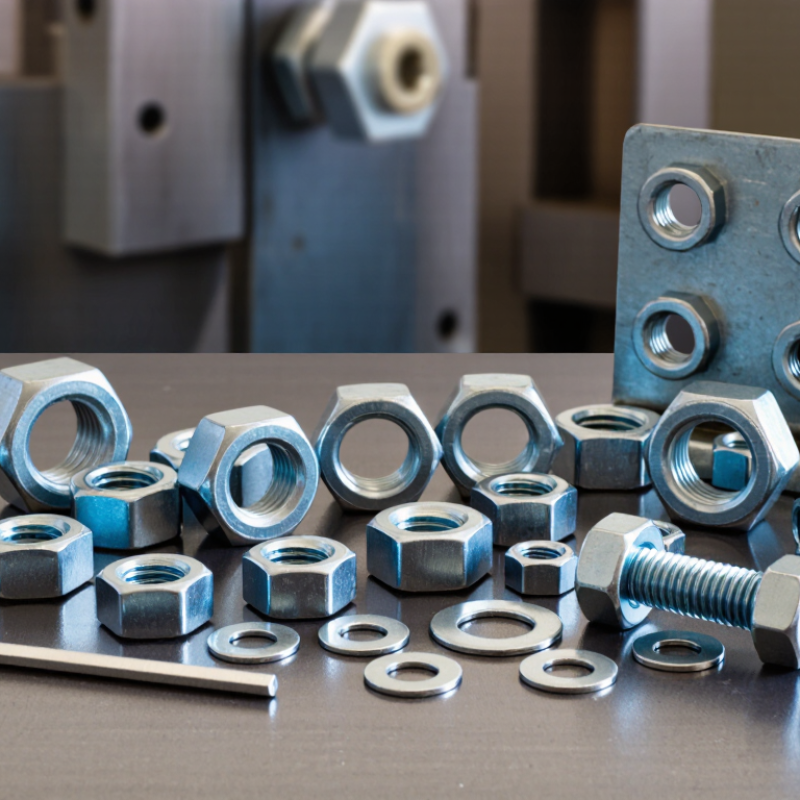
A lock nut kit is a collection of nuts, and sometimes washers, made to help keep threaded joints from loosening. A standard nut relies mainly on clamping force. A lock nut adds resistance through a nylon insert, distorted threads, a flange, or another locking feature. The name can be a little misleading: kits do not all contain the same parts. Check the contents.

A useful kit identifies thread diameter, pitch, material, and locking style. For example, a small assortment might include several metric sizes, each separated in labeled compartments. That makes it easier to match a nut to a bolt without forcing mismatched threads. A snug fit matters. If the nut binds immediately, stop and check the thread rather than reaching for a wrench.

Lock nuts are used on equipment, furniture, vehicle components, and other assemblies that may face movement or vibration. Nylon-insert types are common for general indoor use, while all-metal designs can suit higher temperatures. Still, no locking nut is universal. Reuse limits depend on its design and the application, and a worn insert may no longer grip reliably. It is easy to overlook that detail. When choosing a kit, compare its specifications with the bolt and the conditions the joint will face.

Which Components Are Included in a Lock Nut Kit?

Which Components Are Included in a Lock Nut Kit?

A lock nut kit usually contains several types of nuts designed to resist loosening from vibration. The exact mix depends on the intended equipment, so contents can vary. Small parts matter. A kit may include nylon-insert lock nuts, whose soft collars grip the bolt threads as the nut tightens. It may also contain all-metal lock nuts, which use a deformed section of metal to create resistance. Serrated flange nuts are another common option. Their built-in washer-like base spreads pressure, while small teeth can help grip the mating surface.

Some kits include flat washers, lock washers, or bolts, but these are not guaranteed. Check the label. A Flange Nut Kit, for example, may provide nuts in several thread sizes, with matching washers included only in certain packages.

For a practical check, lay the parts beside a ruler and compare their thread diameter and pitch with the fastener being replaced. Material matters, too: zinc-coated steel suits many indoor tasks, while stainless steel may be preferred where moisture is present. Still, coatings and metals are not interchangeable in every setting. I have seen a tidy assortment become useless when one nut looked right but had the wrong pitch. Verify the fit before tightening, and follow the equipment maker’s torque guidance when available.

How Does a Lock Nut Secure a Fastened Joint?

A lock nut kit usually contains nuts designed to resist loosening, sometimes in several sizes or styles. Its job is not to make a weak joint strong. It adds resistance when vibration or movement tries to turn the nut on its bolt. The exact effect depends on the nut design and the materials being joined.

A nylon-insert lock nut grips the bolt threads with a polymer ring near its top. As the nut turns, the ring deforms slightly and creates friction. An all-metal lock nut uses shaped or distorted threads for similar resistance. You can feel the difference during tightening: a standard nut spins freely, while a lock nut needs steady turning force. That resistance should remain consistent, not suddenly disappear.

The joint still needs correct fit and clamping force. Match the nut’s thread size to the bolt, seat the connected parts flat, then tighten using the specified torque when available. A lock nut cannot compensate for damaged threads, a loose fit, or parts that shift under load. It is easy to assume “locked” means permanent. It does not. Check assemblies exposed to repeated vibration, and replace a nut if its locking feature no longer provides noticeable resistance.

What Types of Lock Nuts Are Commonly Available?

Lock nut kits usually contain several nut styles and matching sizes for assemblies that face vibration or repeated movement. Nylon-insert lock nuts use a polymer ring to grip the bolt threads. They work well in many general-purpose applications, but heat can limit their suitability. All-metal prevailing-torque nuts rely on a deformed thread section for resistance. They tolerate higher temperatures, though installation may require more effort. Small differences matter.

Jam nuts are thin and often paired with a standard nut when space is tight. Flange lock nuts spread clamping force across a wider base; some have serrations that bite into the surface. Castle nuts have slots for a retaining pin and suit assemblies designed for that method. Each type has limits. A lock nut is not automatically reusable; inspect its insert, threads, and fit before installing it again. If a Flange Plate Kit is part of the assembly, check that the nut’s bearing face sits flat and clears nearby parts.

Tips: Match the nut material and thread size to the bolt and operating conditions. Follow the equipment maker’s torque guidance, since “tight enough” can be misleading. Avoid mixing thread standards. After assembly, check for looseness during routine inspection, especially where vibration is present.

Common Lock Nut Types and Their Locking Elements

The chart counts the main components or features that create the locking action—not locking strength. Nylon-insert and all-metal prevailing-torque nuts use an insert or a deformed thread area; serrated-flange nuts use serrations. Castle nuts use a cotter pin, while jam nuts work as a pair.

Where Are Lock Nut Kits Used?

Lock nut kits are used wherever vibration, repeated movement, or maintenance could loosen an ordinary fastener. In factories, they secure guards, motor mounts, conveyor frames, and machine panels. On construction and utility sites, they may hold cable trays, equipment enclosures, or support brackets in place. The exact kit matters: thread size, material, and locking style must suit the load and environment. A mismatched nut can still turn on. That detail is easy to overlook.

They also appear in transport and energy infrastructure. The FHWA’s 2024 National Bridge Inventory records more than 620,000 U.S. bridges, many with mounted components that require secure fasteners. The U.S. Department of Energy’s 2024 Land-Based Wind Market Report records about 6.4 gigawatts of new U.S. wind capacity in 2023. These figures show the scale of infrastructure work, not lock-nut use specifically. In repair shops, a Grinder Flange Kit holds an abrasive wheel against a grinder spindle; its retaining hardware must match the tool. A lock nut kit is most useful when specified for the actual assembly, rather than chosen by appearance alone.

How to Select and Install a Lock Nut Kit?

Choose a lock nut kit by matching thread diameter, pitch, material, and working temperature to the assembly. Check the bolt’s grade and the available clearance, too. A nylon-insert nut may not suit high-heat locations, while an all-metal locking nut can be noisy to install. For vibrating equipment, confirm the nut’s locking feature is suitable for repeated movement. Small details matter.

Before fitting, inspect the bolt threads and remove dirt, burrs, or old locking material. Start the nut by hand; it should turn smoothly before resistance increases. NASA’s Fastener Design Manual, RP-1228, notes that torque-controlled preload can vary by roughly 25%, largely because friction changes. Use the specified torque and a calibrated wrench where the application requires controlled clamping. Don’t guess.

During installation, keep the mating surfaces aligned and ensure the nut engages the threads fully. Follow the kit instructions for washers, lubrication, and reuse; some locking nuts lose effectiveness after removal. If a Grinder Conversion Kit changes the tool’s guard or accessory assembly, verify that the supplied fasteners match the new parts rather than reusing an unsuitable nut. Recheck for looseness after initial operation when the equipment instructions call for it. This step is easy to rush. A snug feel alone is not a reliable torque measurement.

What Is a Lock Nut Kit and What Is It Used For? — How to Select and Install a Lock Nut Kit
Topic Key Information Selection or Installation Guidance
What a lock nut kit is A collection of locking nuts and, depending on the kit, matching washers or other fastening hardware. Contents vary by application and supplier. Check the parts list and confirm that each component is intended for the fastener size and joint you are working on.
Purpose A lock nut helps resist loosening caused by vibration or movement. It is used to secure a threaded joint where maintaining clamping force is important. A locking feature does not correct a poorly designed joint or replace the need for the correct bolt, preload, and installation procedure.
Nylon-insert lock nut Uses a nylon collar that grips the bolt threads to provide resistance to rotation. Confirm that the operating temperature and environment are suitable for the insert. Follow the applicable specification for reuse and installation.
All-metal lock nut Uses a deformed or prevailing-torque metal thread feature rather than a nylon insert. Often selected where a nonmetallic insert is unsuitable. Check the product specification for temperature limits, reuse guidance, and installation torque.
Flange lock nut Has a wide bearing flange that spreads the load over a larger area. Some versions also have serrations to resist rotation. Verify that the flange fits the available space and that serrations will not damage or mark the mating surface.
Match the thread Nuts must match the bolt’s nominal diameter, thread pitch, and thread system, such as metric or Unified. Check markings, measurements, or packaging specifications. Do not force a nut onto a bolt; mismatched threads can damage both parts.
Choose material and finish Common options include carbon steel, stainless steel, and finishes selected for corrosion protection or the service environment. Consider corrosion exposure, temperature, strength requirements, and compatibility between joined materials. Stainless steel does not eliminate the risk of galling.
Check the joint requirements Load, vibration, available space, surface type, and service conditions affect the suitable nut design. Use the equipment or engineering specification where available. Do not choose a fastener solely by appearance or outside diameter.
Prepare the parts Inspect the bolt, nut, and mating surfaces for dirt, corrosion, damaged threads, or other defects. Use clean, undamaged, compatible components. Replace fasteners with damaged threads or a compromised locking feature.
Install the nut Start the nut by hand and turn it onto the bolt without cross-threading. Install any specified washer in the required position. For a nylon-insert nut, the bolt must engage the locking insert. Follow the product or equipment instructions for the required thread engagement.
Tighten correctly Final tightening torque depends on fastener size, grade, lubrication, joint design, and the applicable specification. Use the specified torque and a suitable calibrated tool when required. There is no single torque value appropriate for every lock nut.
Inspect and maintain Check the assembled joint for correct seating and follow the inspection schedule for the equipment or application. Do not assume every lock nut can be reused. Apply the manufacturer’s or engineering specification’s replacement and maintenance guidance.

High-Speed Pipe Brush Nuts for Chimney Cleaning, Pipeline Maintenance, and Rust Removal

High-speed pipe brush nuts are essential for keeping chimney brushes, pipeline brushes, and long-rod rust-removal brushes securely connected during demanding cleaning work. They fasten the brush head to an extension rod, connecting rod, or compatible power-tool connector, helping maintain a firm connection as the brush rotates. A stable fit reduces the risk of loosening or slipping, supporting more consistent cleaning and maintenance in hard-to-reach areas.

Made from precision-processed medium carbon steel, each fixing nut is quenched and hardened for strength, wear resistance, and reliable performance under vibration. Its durable construction helps resist deformation during repeated use, while a galvanized or blackened finish provides added protection against rust and corrosion. These qualities make the nut suitable for challenging conditions, including exposure to chimney residue, pipeline oil stains, and other demanding cleaning environments. As a practical accessory for industrial cleaning applications, it helps users maintain secure brush assemblies and work efficiently across a range of pipe and flue maintenance tasks.

FAQS

What is a lock nut kit?

It is an assortment of nuts, sometimes with washers, designed to resist loosening. Contents vary. Check the labels.

How does a lock nut resist vibration?

A nylon ring or shaped metal threads create friction against the bolt. The nut should turn with steady resistance.

How do I choose the right lock nut?

Match its thread diameter and pitch to the bolt. Check the material and locking style, too. Guessing is risky.

Can a lock nut fix damaged threads?

No. Damaged threads can prevent a secure fit. Stop if the nut binds immediately, and inspect the bolt.

Where are lock nut kits commonly used?

They can secure machine panels, motor mounts, brackets, and furniture parts. Choose a kit for the actual assembly.

Are nylon-insert and all-metal lock nuts interchangeable?

Not always. Nylon inserts suit many general indoor uses, while all-metal designs may suit higher temperatures. Check specifications.

Can lock nuts be reused?

Reuse depends on the design and application. A worn insert may grip poorly. That detail is easy to miss.

Does a lock nut replace correct tightening?

No. Seat parts flat and follow the specified torque when available. Check joints exposed to repeated vibration.

Conclusion

A Lock Nut Kit is a collection of fastening components designed to help keep a bolted joint secure when it is exposed to vibration, movement, or changing loads. Depending on the kit, it may include lock nuts, matching bolts or washers, and other parts selected to work together. Lock nuts resist loosening through features such as a nylon insert, a distorted thread, or a built-in flange that increases friction or helps distribute pressure.

Lock nut kits are used in machinery, vehicles, furniture, equipment, and general repair projects wherever a dependable joint is needed. Common styles include nylon-insert, all-metal, flange, and prevailing-torque lock nuts. To choose a suitable kit, check the thread size, material, strength, operating conditions, and compatibility with the fastener. During installation, align the parts correctly and tighten the nut to an appropriate level without damaging the threads or connected materials.

Ethan

Ethan

Ethan is a seasoned marketing professional specializing in the field of precision forgings and integrated metal forming solutions. With a profound understanding of the mid to high-end manufacturing landscape, he leverages his expertise to highlight the strengths and capabilities of his company.......
Previous Who Makes the Best Grinder Flange Kit in China?