In the manufacturing world, making the right choice when it comes to Grinding Wheel is a big deal if you want everything to run smoothly. I was chatting with John Smith from Precision Tools Inc., and he mentioned, “Picking the right Grinding Wheel can seriously boost your efficiency and the overall quality of your products.” That quote really hits home because it shows just how crucial it is to understand the different types of wheels and what they’re best used for.
Now, not all Grinding Wheels are created equal. You’ve got options like aluminum oxide, which is pretty tough and lasts a while, or ceramic wheels that excel at high-speed work. Each type is designed for specific tasks, and your choice can make a real difference—not just in how well things get done, but also when it comes to safety and saving some bucks in the long run.
That said, figuring out the right one isn’t always simple. Too many businesses overlook how important it is to pick the proper wheel, and that often ends up costing them more in the end—more time, more money, and more headaches. If industries take the time to stay informed and choose their Grinding Wheels wisely, they can really see some solid results. Basically, understanding these little details can be the key to thriving in today’s fast-paced manufacturing scene.
Understanding the Importance of Grinding Wheels in Metalworking
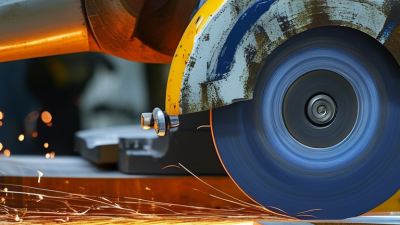
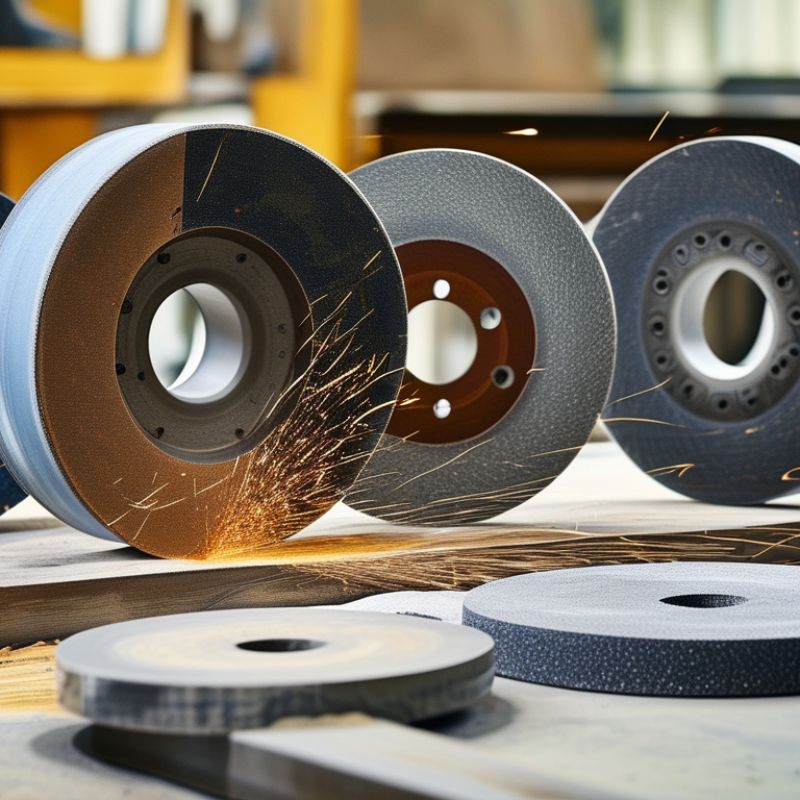
Grinding wheels are essential tools in metalworking. They shape, grind, and finish metal surfaces, enhancing the quality of the final product. Understanding their importance can significantly impact the efficiency of a manufacturing process. The performance of grinding wheels relies heavily on their type and specification. Each wheel serves a specific application, influencing factors like speed and material removal rate.
When choosing a grinding wheel, consider the material it is designed for. Some wheels work better on hard metals, while others excel with softer materials. The right choice can speed up work and reduce energy consumption. Familiarizing oneself with the various grinding wheel types can prevent costly mistakes. For example, using the wrong wheel can lead to burning or chipping, wasting time and materials.
The Grinding Wheel Arbor plays a crucial role in stabilizing the wheel when in use. It ensures accurate alignment and reduces vibrations, which can hinder performance. Regular checks on the arbor and wheel compatibility are necessary. There’s always room for improvement in technique and tool selection. Reflecting on previous grinding experiences can lead to better choices in the future.
Types of Grinding Wheels: A Comprehensive Overview
Grinding wheels are vital to various machining processes. Selecting the right type can significantly influence performance. There are several common types, each with its unique applications.
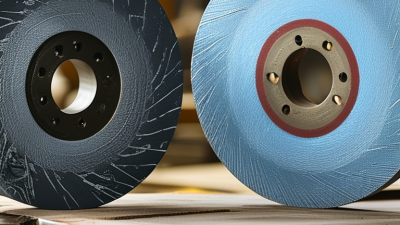
Aluminum oxide wheels are widely used for general grinding. These wheels work well for steel and are cost-effective. Ceramic wheels, on the other hand, provide durability for heavy-duty tasks. Their long lifespan often justifies the initial expense. For softer materials, silicon carbide wheels shine. They excel in grinding non-ferrous metals and hard plastics, though they wear out quicker than other types.
The right wheel choice can impact finish quality. For instance, using a wheel that's too coarse can lead to a rough surface. Conversely, a wheel that's too fine may not remove enough material. It's essential to consider the specific application and material being worked on. Experimenting with different wheels helps identify the best fit. Each type has strengths and weaknesses that must be weighed carefully. Understanding these can lead to improved outcomes in your grinding projects.
Aluminum Oxide Wheels: Versatility and Cutting Performance
Aluminum oxide wheels are renowned for their versatility and performance. These wheels work well on a variety of materials, including steel and cast iron. Industry reports indicate that aluminum oxide can remove material at rates of up to 40% faster than other abrasives under optimal conditions. This efficiency has made them a popular choice among metal fabricators. Their durability also contributes to reducing downtime, as they require less frequent replacement.
Despite their advantages, aluminum oxide wheels have limitations. They can lose their sharpness more quickly when used on harder materials. According to a study by the Abrasive Manufacturers Association, this wear can affect precision in finer applications. Proper usage and understanding of the equipment are critical. Operators must ensure the correct Grinding Wheel Flange is used to enhance the wheel's performance. Choosing the right speed and feed rate is essential to achieving the best results.
Moreover, not all aluminum oxide wheels are created equal. Different formulations exist, and selecting the right one can be challenging. Some may provide better cutting performance but have shorter life spans. It often results in a trade-off between speed and longevity. Evaluating the specific application can help guide this decision. With the right approach, aluminum oxide wheels can deliver optimal performance across diverse grinding tasks.
Top 5 Grinding Wheel Types for Optimal Performance
This chart displays the relative performance of different grinding wheel types based on key factors such as cutting efficiency, durability, and versatility.
Silicon Carbide Wheels: Optimal for Hard Materials
Silicon carbide wheels are essential for grinding hard materials. These wheels excel in their ability to handle tough surfaces, such as ceramics and hardened steel. Their unique composition allows them to maintain sharpness and durability during the grinding process. This makes them a preferred choice for professionals in various industries. However, selecting the right wheel requires understanding its application.
When using silicon carbide wheels, it's crucial to monitor wear. Over time, these wheels can become less effective. Regular inspection helps identify when to replace them. Additionally, maintaining proper RPM settings can prevent overheating and increase tool life. Users must remember that not all grinding tasks require the same wheel. It's important to analyze specific needs.
Selecting the right bond type also impacts performance. A softer bond allows for more aggressive grinding but may wear out faster. In contrast, a harder bond offers longevity but can fracture brittle materials. Finding the ideal balance for your specific use is key. Reflecting on your grinding practices can lead to better results. Understanding these intricacies can enhance both efficiency and outcomes in grinding applications.
Diamond Grinding Wheels: Durability and Precision Applications
Diamond grinding wheels are renowned for their durability and precision in various applications. These wheels contain synthetic diamonds, which enhance their cutting efficiency. Industry reports indicate that diamond grinding wheels can produce a smoother surface finish compared to conventional wheels. In fact, they can achieve a surface profile with a deviation of just a few micrometers.
When it comes to performance, the lifespan of diamond wheels is significantly longer than that of traditional grinding wheels. They can endure higher temperatures and pressures without losing their effectiveness. In a recent study, users saw a reduction in tool wear by up to 50% when switching to diamond-based products. However, they can be costly initially, which may deter some users from adopting them fully.
It's important to note that not every application requires diamond grinding wheels. For softer materials, standard grinding wheels may suffice. The key is understanding the specific requirements of your project. This insight prevents unnecessary expenses and promotes better resource management. When employing diamond wheels, consider using adapters like the Grinding Wheel Adapter to enhance compatibility and efficiency.
CBN Wheels: Best for High-Temperature Superalloys
CBN wheels, or cubic boron nitride wheels, are highly regarded for grinding high-temperature superalloys. These materials are often used in the aerospace and automotive industries. CBN wheels excel in maintaining sharpness and durability under extreme heat conditions. This feature makes them ideal for machining tough metals, contributing to overall efficiency in production.
The performance of CBN wheels is remarkable. They can withstand temperatures above 1000 degrees Celsius. This allows for smooth and precise cuts. However, users should be cautious about proper cooling and feed rates. Overheating can diminish their effectiveness. While they offer longevity, they require rigging custom setups, which can be complex for some operators.
Additionally, the cost of CBN wheels may be higher than other options. This can be a barrier for smaller operations. However, investing in CBN technology can pay off in the long run. By reducing downtime and improving quality, the benefits may outweigh the initial expense. Understanding these trade-offs is crucial for informed decision-making.
Selecting the Right Grinding Wheel for Specific Applications
Choosing the right grinding wheel is crucial for achieving optimal performance. Different grinding applications require specific wheel types to maximize efficiency. For instance, a ceramic grinding wheel excels in precision tasks. It offers a sharp cutting edge and maintains its shape over time. This is great for hard materials, but it can be pricier than others.
Conversely, a resin-bonded wheel is more versatile. It can handle various materials and provides a smoother finish. However, it may wear out faster under heavy use. Understanding these nuances is important in selecting a grinding wheel that meets your needs. It’s essential to consider the machine settings and material being worked on.
Selecting a grinding wheel also impacts safety. A poorly chosen wheel can lead to accidents or inefficient grinding. Be familiar with the "Grinding Wheel Lock Nut" to ensure a secure fit. This is often overlooked but plays a critical role in maintaining safety and performance. Reflecting on your choices can lead to better results in your grinding tasks.
Emerging Trends in Power Tools: Analyzing Market Growth and Product Innovations for Angle Grinders and Electric Drills
The power tools market is experiencing rapid growth, fuelled by technological innovations and a surge in DIY projects. According to a recent report by market research analysts, the global power tools market is projected to reach USD 36 billion by 2027, with a compound annual growth rate (CAGR) of approximately 4.5%. This trend is particularly evident in the sector of angle grinders and electric drills, where advancements in tool design and battery technologies are reshaping user expectations.
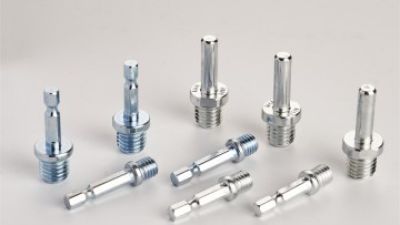
One of the notable innovations in this field is the introduction of high-quality adapter rods, such as the M14 and M10 models, designed for enhanced compatibility and efficiency. These adapters, made from 45# high-quality carbon steel, undergo a rigorous forging and hardening process that significantly improves their structural integrity. Their galvanized and nickel-plated surfaces provide excellent resistance against rust, wear, and impact, ensuring longevity and reliability for users across various applications.
As professionals and DIY enthusiasts increasingly prefer more durable and efficient tools, the market is responding with products that not only meet performance standards but also boast enhanced safety features. The growing emphasis on ergonomic designs and lightweight materials supports prolonged usage without compromising user comfort. With ongoing innovations and an expanding range of products like these adapter rods, the future of power tools looks promising, catering to an ever-evolving market landscape.
FAQS
: Grinding wheels shape, grind, and finish metal surfaces, enhancing product quality.
Different wheels serve specific applications, influencing speed and material removal rates in the process.
Using the incorrect wheel can cause burning or chipping, wasting time and materials.
The arbor stabilizes the wheel, ensuring accurate alignment and reducing vibrations during use.
Regularly inspect wear levels to determine when a replacement is needed for optimal performance.
Improper RPM can lead to overheating, which shortens the tool's lifespan and effectiveness.
No, each task may require a different wheel. Analyze specific needs for best results.
Softer bonds allow aggressive grinding but wear quickly; harder bonds last longer but can fracture materials.
Reflecting on past grinding experiences and experimenting can reveal areas for improvement.
Not necessarily. A lack of understanding can lead to mistakes and suboptimal results.
Conclusion
Grinding wheels play a crucial role in metalworking by providing the necessary cutting and shaping capabilities for various materials. Understanding the different types of grinding wheels is essential for achieving optimal performance in diverse applications. This article outlines several key types: Aluminum Oxide wheels, known for their versatility and cutting efficiency; Silicon Carbide wheels, ideal for grinding hard materials; Diamond grinding wheels, recognized for their durability and precision in specialized applications; and CBN wheels, best suited for high-temperature superalloys.
Selecting the right grinding wheel is vital for specific tasks to ensure effectiveness and efficiency. Each type offers unique advantages that cater to various metalworking needs, making informed choices crucial for achieving the desired results in industrial applications. By understanding their characteristics and appropriate use, metalworkers can maximize their productivity and maintain the quality of their work.