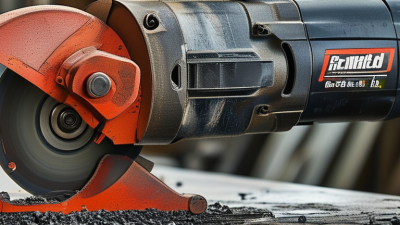
An Angle Grinder Attachment is basically what turns a small grinder into something more than a basic cutting-and-grinding tool. It mounts to the spindle through whatever fits — a compatible disc, backing pad, brush, wheel, or specialty adapter. Once the motor spins, torque moves through that connection. From there, the attachment changes the contact surface, the cutting action, or the finishing pattern.
The market side of this matters too. Grand View Research’s Power Tools Market Size, Share & Trends Analysis Report points to rising demand for versatile, portable tools in construction, automotive repair, and fabrication. That helps explain why one grinder often ends up doing several jobs around a workshop. But just because the market is growing doesn’t mean every setup is safe. An attachment still has to match the grinder’s spindle thread, diameter, rated speed, and the material you’re working on. Small differences really do matter. A loose pad can wobble right in front of you. A mismatched disc can overheat in seconds.
Professional guidance backs up that cautious approach. OSHA’s Hand and Power Tools safety materials stress guarding, securing the workpiece, using suitable personal protective equipment, and inspecting things before use. ANSI also puts out relevant standards for portable powered tools and abrasive wheels. These sources carry weight, sure, but they can’t replace the manufacturer’s manual or your own hands-on judgment.
In real use, the right attachment feels controlled, not aggressive. A flap disc can take off rust with steady passes. A wire cup brush reaches textured steel, but it can also throw sharp wires. I’ve noticed that attachment descriptions sometimes make those differences sound way too simple. That’s worth pushing back on. This guide walks through how each attachment transfers power, what kind of task it suits, and where its limits start to show. Performance isn’t just about speed, either. Material, pressure, guard position, and operator experience all shape the final result.
What Is an Angle Grinder Attachment?
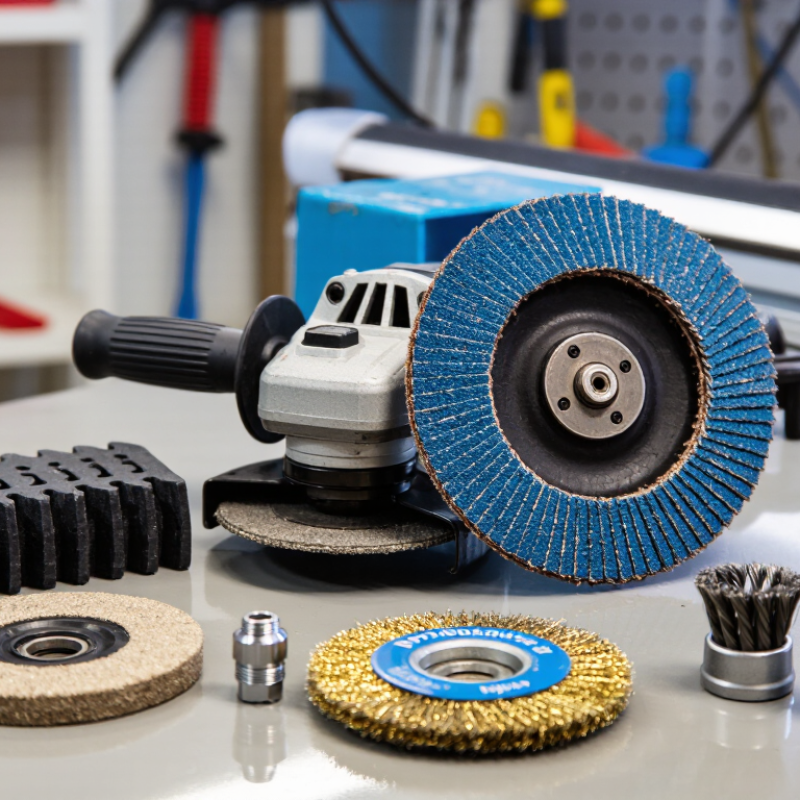
An angle grinder attachment is an accessory fitted to the tool’s spindle or guard area. It changes how the grinder contacts a workpiece, rather than changing the motor itself. Common examples include cutting guides, sanding pads, wire wheels, polishing heads, and dust-control shrouds. Each attachment has a specific job. The connection may use a threaded spindle, flange, clamp, or quick-fit mechanism. Compatibility matters.
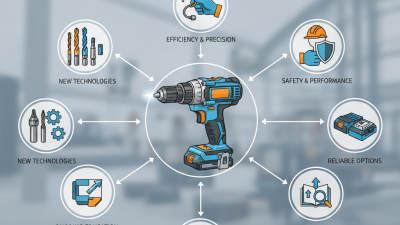
An Angle Grinder Drill Attachment illustrates this conversion clearly. It uses the grinder’s rotating power to drive a chuck or bit holder. Depending on its design, it can support light drilling, fastening, or access in tight spaces. However, a grinder usually spins faster than a drill. That difference affects heat, control, and bit life. In practical use, check the attachment’s rated speed, spindle size, and maximum bit diameter before mounting it. A loose fit can cause vibration. That is not a minor issue.
Safe operation depends on matching the accessory to the material and task. The guard should remain fitted when the attachment allows it, and the workpiece needs firm support. Eye protection, hearing protection, and suitable gloves reduce exposure to sparks and fragments. Slow, controlled contact often produces a cleaner result than extra pressure. Still, this is not a universal conversion. Some attachments flex, overheat, or make the tool awkward to control. Reading the manufacturer’s instructions remains essential, even when the setup looks simple.
How Angle Grinder Attachments Work
An angle grinder attachment changes the tool’s motion into a task-specific working action. The grinder’s motor spins a spindle at high speed. The attachment transfers that rotation through a disc, pad, brush, or cutting wheel. Its shape controls contact, pressure, and material removal.
An Angle Grinder Sander Attachment uses a backing pad and abrasive disc. The pad spreads pressure across the surface. Coarse grit removes paint or rough weld marks. Fine grit smooths timber, metal, or filler. Keep the pad nearly flat. A sharp angle can catch the edge and cause kickback. I have found that light pressure gives better control. More force feels productive, but it often overheats the abrasive.
According to Grand View Research, the global power tools market reached about USD 36.2 billion in 2023. That expansion reflects wider use of interchangeable tools, including surface-preparation attachments. Safety remains practical, not decorative. OSHA requires portable abrasive wheels to use suitable guards and proper operating procedures under 29 CFR 1910.243. Check the attachment’s rated speed before fitting it. Never exceed the lower rating. Wear eye protection, hearing protection, and a suitable dust mask. The result can still disappoint. A grinder removes material quickly, but it does not automatically create a flat finish. Practice on scrap material first, then inspect the surface under strong side lighting.
Main Types of Angle Grinder Attachments
An angle grinder attachment changes a compact power tool into a cutter, sander, polisher, or surface cleaner. The grinder’s motor spins the attachment through a central spindle. Its shape and abrasive material determine how that force reaches the workpiece. The main types of angle grinder attachments suit different materials and tasks.
Grinding wheels remove weld beads, rust, and excess metal. They work through a hard abrasive surface and require steady, controlled pressure.
Cutting discs are thinner and slice through metal, masonry, or tile. They should never be pushed sideways, because their edges can break under pressure.
Flap discs use overlapping abrasive flaps to smooth welds and blend uneven surfaces. They remove material more gently than thick grinding wheels.
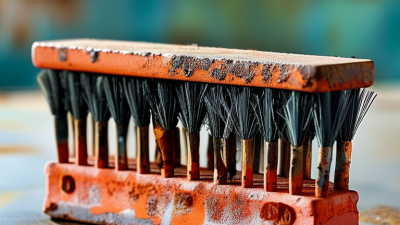
Wire wheels clean rust, paint, and loose scale from metal. Small wires can break away, so eye and face protection matter.
Sanding pads accept abrasive discs for shaping wood or smoothing painted surfaces. Polishing pads use softer compounds to create a brighter finish on suitable metals.
Diamond cup wheels grind concrete and masonry, but they can create heavy dust. Dust control is not optional in enclosed areas.
Attachment choice depends on the material, required finish, and rated speed. Always check the accessory for damage before fitting it. I used to focus mainly on grit and disc size, but spindle speed can be just as important. A matching guard, firm grip, and gradual contact reduce surprises. Even experienced users can misjudge a sharp edge.
How to Choose the Right Attachment
Choosing an Angle Grinder attachment starts with the material and the result you need. Cutting discs suit steel, tile, and masonry, but each disc requires the correct material rating. Flap discs remove rust and smooth welds. Wire brushes clean loose scale from metal surfaces. Diamond attachments handle hard masonry and concrete. Polishing pads are better for controlled finishing.
Check compatibility before buying. Match the attachment diameter, arbor size, thread, and maximum speed with your grinder. The attachment’s rated speed must meet or exceed the tool’s no-load speed. Never force a fitting part. It should seat evenly, without wobbling. Keep the proper guard installed, especially when cutting. Small details matter.
Think about control, dust, and the workspace. A thin cutting disc may leave a narrow kerf, but it can feel fragile during side pressure. A thicker disc lasts longer, though it removes more material. For indoor masonry work, choose dust extraction compatibility and wear suitable eye, hearing, and breathing protection. I have found that beginners often choose by appearance alone. That is an easy mistake. The brightest brush is not always the most useful one. Test on scrap material first, inspect the attachment for cracks, and replace it after damage or excessive wear. Work slowly. Safety habits can feel inconvenient, yet rushed attachment choices create avoidable problems.
What Is an Angle Grinder Attachment and How Does It Work?
Angle grinder attachments convert the grinder’s rotating spindle into a tool for cutting, grinding, sanding, brushing, or polishing. The chart shows common attachment types and their typical diameter ranges.
How to choose: Match the attachment to the material and task, confirm the spindle thread and diameter, and never exceed the attachment’s rated RPM. Use the correct guard and personal protective equipment for every operation.
Steps for Installing an Attachment
Before installing an angle grinder attachment, disconnect the power source completely. Remove the battery or unplug the tool. A silent grinder is safer to handle.
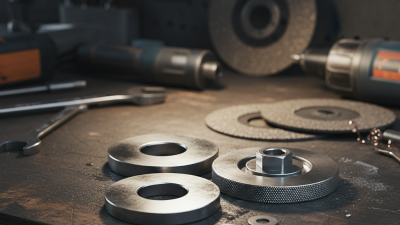
Check the attachment’s size, spindle opening, and rated speed against the grinder’s manual. Never assume every wheel or accessory fits. Inspect it for cracks, bent edges, or moisture. The step I used to underestimate was cleaning the spindle. Dust can prevent the attachment from sitting flat. Lock the spindle, then remove the existing flange and nut with the supplied wrench. Place the attachment in the correct direction. Some cutting wheels have marked sides, while certain discs work only with a specific backing pad. Install the flange and tighten the Angle Grinder Nuts firmly by hand before using the wrench. Avoid excessive force. It can damage threads or make later removal difficult.
Release the spindle lock and rotate the attachment by hand. It should turn smoothly without wobbling. If it feels uneven, remove it and check the flange again. Fit the guard and adjust it between your hands and the rotating surface. Wear eye protection, hearing protection, gloves suited to the task, and sturdy footwear. Stand beside the grinder, not directly behind the wheel. Start it briefly without contacting material, watching for vibration or unusual noise. Stop immediately if anything feels wrong. I still recheck this step, because a rushed installation can hide a small mistake. Keep both hands on the tool and let the attachment reach full speed before beginning controlled work.
Safety Rules for Using Angle Grinder Attachments
What Is an Angle Grinder Attachment and How Does It Work?
An angle grinder attachment is a fitted accessory that changes how the tool cuts, sands, brushes, or polishes. It transfers the grinder’s spinning force to a disc, wheel, or specialized head. The attachment must match the grinder’s spindle, guard, speed rating, and intended material. A poor match can cause a violent failure. Check the manual and accessory markings before installation. Do not guess.
Wear safety glasses and a full face shield when fragments may fly. Use hearing protection, snug gloves, sturdy footwear, and fitted clothing. Remove jewelry and tie back long hair. Inspect the attachment for cracks, warping, missing teeth, or a damaged center hole. Replace questionable parts. Unplug the tool before changing accessories, or remove its battery where applicable. Keep the guard installed between your body and the rotating attachment. Secure the workpiece with clamps, never a free hand.
Stand slightly to one side, not directly behind the disc. Hold the grinder with both hands and let it reach full speed before contact. Apply light, steady pressure. Never force a cutting disc sideways or exceed its rated speed. Watch for kickback when the attachment catches an edge. Stop if vibration, smoke, unusual noise, or heat appears. I have found that rushing the final cut causes careless handling. Pause, inspect, and reset your grip. Good lighting matters.
Conclusion
An Angle Grinder Attachment is a removable accessory designed to expand the functions of an angle grinder. By connecting to the tool’s spindle or guard area, it transfers the grinder’s rotating power to a specific working surface or mechanism. This allows one grinder to perform tasks such as cutting, sanding, polishing, grinding, brushing, or light surface preparation, depending on the attachment used. Common types include cutting discs, flap wheels, wire brushes, polishing pads, sanding accessories, and specialized attachments for sharpening or removing surface material.
Choosing the correct attachment requires matching its purpose, size, speed rating, and mounting method with the grinder and the material being worked on. Installation should begin by disconnecting power, inspecting the accessory, securing the spindle, fitting the attachment properly, and tightening it according to the tool’s instructions. Before use, check that the attachment spins freely and remains stable. Always wear suitable eye, hearing, hand, and respiratory protection, maintain a firm grip, use the correct guard, avoid excessive pressure, and stop immediately if unusual vibration, damage, or overheating occurs.