Picking the right Flange Accessory really matters when it comes to ensuring your piping connection stays tight, leak-free, and easy to service. For global buyers, it’s not just about comparing prices anymore. You’ve got to look into pressure ratings, temperature ranges, what materials are compatible, manufacturing tolerances, and the documentation provided. Sometimes, a gasket might look like a good fit, but end up failing because it can’t handle aggressive chemicals or repeated thermal shifts. Similarly, a set of bolts might fit the flange perfectly, but maybe they lack reliable traceability or quality assurance.
John H. Bickford, who wrote the Handbook of Bolts and Bolted Joints, wisely points out: “A bolted joint is only as reliable as its weakest link.” That’s a good rule of thumb that applies to all Flange Accessories. When you’re comparing gaskets, studs, nuts, washers, insulation kits, flange facing tools, or line blinds, remember — everything impacts how well the installation will turn out. Each part needs a proper technical review.
Honestly, it’s often the little details that make all the difference.
In this guide, I’ll walk you through seven practical accessories to keep in mind when sourcing internationally. We’ll look at common standards, material options, packaging, inspection records, and how well suppliers communicate. For instance, stainless steel fasteners resist rust, but they can also gall during installation, which complicates things. PTFE gaskets are pretty reliable too, but you still need to be aware of their temperature and compression limits. These kinds of differences can easily slip past in a rush to buy, especially if you’re not paying close attention.
Of course, this list isn’t one-size-fits-all. Every project has its unique conditions, and regional standards can sometimes get confusing. That’s why it’s crucial for buyers to double-check drawings, operating data, certifications, and delivery details before giving the green light. A dependable supplier should answer your questions clearly, keep consistent records, and admit if there are limitations or issues. Real confidence comes from solid evidence — not just attractive catalog photos or fancy brochures.
What Are Flange Accessories and Why Do They Matter?
7 Best Flange Accessories for Global Buyers?
What Are Flange Accessories and Why Do They Matter?
Flange accessories are components that help connect, seal, protect, and maintain flanged piping systems. Common examples include gaskets, bolts, nuts, washers, flange guards, spacers, and alignment tools. Each item supports safe and stable operation. A gasket fills tiny surface gaps between flanges. Bolts provide controlled pressure around the joint. Flange guards help contain leaks and reduce exposure risks. These details matter because a small installation error can cause vibration, corrosion, or fluid loss.
For global buyers, accessory selection requires more than checking size alone. Confirm flange standards, pressure ratings, temperature limits, materials, and surface finishes. Stainless steel may resist corrosion, but it is not suitable for every chemical environment. Gasket material also affects sealing performance. Field inspections often show that mismatched bolts or uneven tightening create avoidable failures. The specification may look correct, yet the assembly can still perform poorly. That deserves reflection. Lower purchase cost is not always lower operating cost.
Tips: Request drawings, material certificates, and test records before approval. Check thread condition and gasket storage during receiving inspection. Use a calibrated torque method where required. Keep spare gaskets and compatible fasteners available for maintenance. Do not mix standards without technical review. A practical checklist can prevent expensive delays, although it may need revision after site experience.
Flange Gaskets: Creating Reliable Seals Between Connected Surfaces
Among the seven useful flange accessories, gaskets often decide whether a connection remains dependable. They create a controlled seal between two joined surfaces. A suitable gasket must match the flange type, pressure rating, temperature range, and transported medium. Thickness also matters. A gasket that is too thick may compress unevenly. One that is too thin may not fill small surface defects.
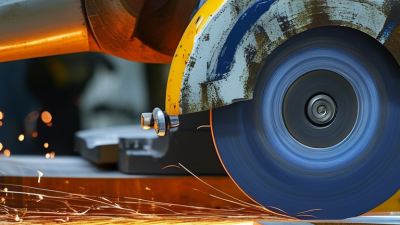
In field inspections, technicians often find sealing problems near bolt holes and flange edges. These areas can suffer from scratches, corrosion, or uneven contact. Cleaning requires care. An Angle Grinder Accessory Kit may help remove stubborn residue, but aggressive grinding can damage the sealing face. That mistake is easy to make. Use the least abrasive method that restores a clean, even surface. Check the gasket for cuts, hardening, swelling, or compression marks before installation.
Bolt tightening needs the same attention. Tighten gradually in a cross-pattern, using a calibrated torque tool when possible. Uneven pressure can crush one side of the gasket and leave a leak path elsewhere. I have seen installation teams replace a gasket repeatedly without checking flange alignment. The gasket was not the real problem. Pipe stress, damaged threads, or distorted flanges may require correction. Reliable buyers should request material certificates, dimensional records, and clear storage guidance. Gaskets stored in sunlight, moisture, or excessive heat may deteriorate before use. Even a new-looking seal deserves inspection.
Flange Bolts and Nuts: Securing Connections Under Pressure
7 Best Flange Accessories for Global Buyers?
Flange Bolts and Nuts: Securing Connections Under Pressure
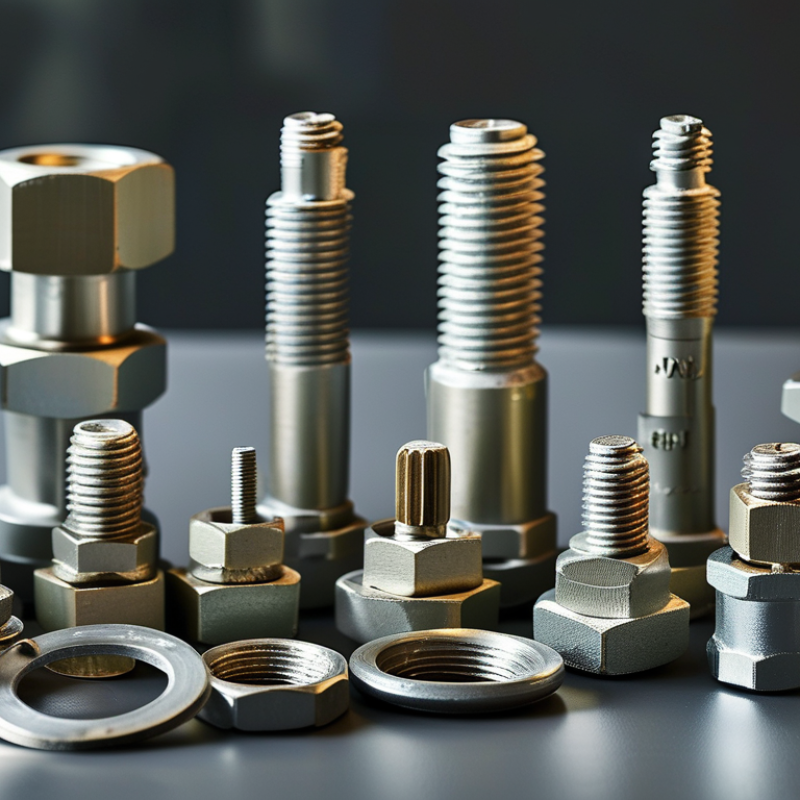
Flange bolts and nuts hold mating flanges together while gaskets resist leakage under pressure. Their performance depends on more than strength alone. Correct diameter, thread engagement, material grade, and pressure-temperature conditions must match the flange system. Carbon steel may suit dry service, while stainless or coated fasteners can better resist moisture and corrosive environments. Always verify specifications against recognized engineering standards and the equipment supplier’s data.
Small details matter. A common field mistake is treating bolts as interchangeable parts. Different thread forms, lengths, or surface coatings can change installation results. Excessive torque may crush a gasket or distort the flange. Insufficient torque can create uneven compression and early leakage. Tighten in a cross pattern, using calibrated equipment and the recommended torque range. Inspect threads, nut faces, and washers before assembly. A clean contact surface improves consistency.
Tips: Confirm bolt length before installation. Keep threads free from dirt and damage. Apply lubricant only when approved, because lubrication changes torque behavior. Mark each tightened fastener for inspection. Recheck critical joints after thermal cycling or vibration. Do not rely on torque alone; verify gasket seating and flange alignment. This step is often missed. A careful checklist may feel slow, but one overlooked washer or damaged thread can weaken the entire connection. Local service conditions still require professional review.
Flange Washers: Improving Load Distribution and Joint Stability
Flange washers are simple components with a serious structural role. They spread bolt pressure across a wider surface. This reduces local stress and helps maintain joint stability. At an Outer Flange connection, uneven pressure can distort sealing surfaces or loosen bolts. A properly sized washer supports cleaner load transfer. Small detail, major effect.
During installation, the washer should sit flat beneath the bolt head or nut. Its inner diameter must allow smooth bolt movement without excessive play. Its outer diameter should cover the contact area without touching nearby components. Inspectors should check for burrs, cracks, and surface damage. Use calibrated tools when tightening the joint. Do not rely on feel alone. Field reviews often reveal one repeated mistake: washers are chosen by bolt size only. That approach can ignore flange thickness and surface condition.
Material selection should match the working temperature, moisture, and chemical exposure. Coated steel may suit ordinary service, while corrosion-resistant alloys can protect critical joints. Always verify drawings, torque requirements, and applicable engineering specifications. A slightly warped washer can create false confidence during inspection. I still find this easy to overlook. Under vibration, that small gap may grow and reduce clamping force. Regular checks should include bolt movement, washer seating, and visible corrosion. When these details are recorded clearly, maintenance teams can identify changes before the flange joint becomes unstable.
Flange Spacers and Blind Flanges: Managing Gaps and Flow Paths
Flange spacers and blind flanges control gaps, pressure, and flow paths in many piping systems. A spacer keeps two flanges separated, preserving a defined internal gap without blocking flow. A blind flange closes the line completely, creating a firm pressure boundary. The choice matters during maintenance, hydrostatic testing, and future expansion. An Inner Flange must also align correctly, or turbulence and gasket damage may develop near the joint.
The International Energy Agency reported nearly 3 trillion dollars in global energy investment for 2024, with clean energy receiving about 2 trillion dollars. More projects mean more temporary isolation points and complex piping interfaces. ASME B16.5 remains a key reference for flange dimensions, pressure classes, and bolting compatibility. Yet standards do not replace field judgment. A spacer with the wrong thickness can shift equipment alignment. A blind flange with an unsuitable gasket can leak after pressurization. The weak point is often a small measurement.
Tips:
Confirm pipe bore, pressure class, facing type, and gasket material before ordering. Mark each blind flange with its service line and installation date. Check the Inner Flange face for scratches, coating buildup, and uneven contact. Use calibrated torque equipment. Recheck bolt tension after thermal cycling when the procedure requires it. A perfect drawing still cannot replace a face-to-face inspection. Mistakes happen. Good records make them easier to catch.
Flange Protectors and Covers: Preventing Damage During Storage and Transit
During storage and transit, exposed flange faces can suffer scratches, dents, corrosion, and contamination. A flange protector is not decorative; it shields sealing surfaces from impact, dust, and salt-laden moisture. In practical inspections, even a small dent can cause leakage after installation. Moisture finds gaps. Choose covers made from impact-resistant plastic or treated metal, depending on handling conditions. Soft liners can reduce abrasion on polished surfaces.
Fit matters most. The protector should match the bolt holes, outside diameter, and sealing face without forcing the flange. Loose covers may fall off during vibration, while tight ones can damage edges. For a Flange Plate stored outdoors, select a cover with drainage or weather-resistant sealing features. Do not guess. Check dimensions, temperature exposure, and lifting methods before purchase. A reliable cover should also support quick visual inspection and clear identification marks.
Packaging teams should secure each covered flange separately, then add padding between stacked parts. Never drag protected assemblies across concrete. That mistake still appears in busy yards. Inspect covers after loading, especially where straps contact edges. Replace cracked, warped, or contaminated protectors. I have found that storage plans often focus on the steel and overlook the cover itself. That weakness deserves review. A simple inspection record can note fit, cover condition, storage date, and moisture exposure.
How Global Buyers Can Select the Right Flange Accessories
7 Best Flange Accessories for Global Buyers
How Global Buyers Can Select the Right Flange Accessories
Choosing flange accessories requires more than matching pipe diameter. Start with the working pressure, temperature, fluid, and connection standard. A gasket must suit the media and sealing surface, while bolts and nuts need compatible strength and corrosion resistance. Check the flange class, facing type, bolt-hole pattern, and dimensional drawings before ordering. Small differences can stop installation.
The seven most practical accessories are
gaskets,
stud bolts,
nuts,
washers,
blind flanges,
insulating kits, and
alignment tools.
Select spiral-wound or graphite-based gaskets for demanding temperatures only when the application allows them. Insulating kits help reduce galvanic corrosion between dissimilar metals. Blind flanges support safe line isolation during maintenance. Alignment tools can prevent uneven loading, especially on large-diameter pipes.
Ask suppliers for material certificates, pressure ratings, test records, and clear inspection procedures. Traceable documentation matters when products cross borders. Confirm thread forms, coating requirements, packaging, and replacement availability before purchase. Local site conditions also matter; humid storage can damage unprotected steel quickly. I have seen technically correct parts fail because the gasket was stored badly or the bolt length was overlooked. Do not trust a catalog image alone. Review drawings with an engineer, and verify one sample assembly before approving a larger shipment.
40mm M10 Pressure Plate Flange for Angle Grinders: Features, Compatibility, and Buying Guide
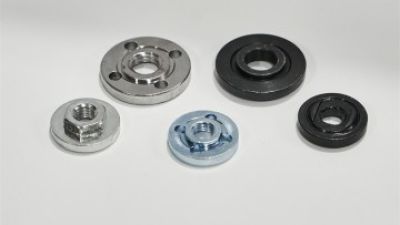
A 40mm M10 pressure plate flange is designed for many compact angle grinders, especially models using 100mm discs. The inner pressure plate fits onto the base of the spindle and uses stepped or conical surfaces to center the disc, support it evenly, and reduce movement during operation. Its 40mm diameter provides a practical contact area for compatible grinding wheels, cutting discs, and other accessories with the correct mounting size. Always check the grinder’s spindle thread, disc bore, and manufacturer specifications before installation.
The matching external pressure plate is usually an M10 flange nut with raised gripping sections or a quick-release design for convenient tightening. It applies steady downward pressure to keep the disc securely positioned without unnecessary force. When selecting a replacement, consider thread accuracy, flange flatness, material strength, surface finish, and compatibility with the grinder’s spindle length. As an experienced China factory and supplier, we source and produce reliable pressure plate components for different compact grinder applications, supporting consistent fit, stable operation, and efficient maintenance.
Conclusion
Flange accessories are essential components for building safe, stable, and durable piping connections in industrial systems. This guide explains how each Flange Accessory supports connection performance, beginning with gaskets that create dependable seals between mating surfaces. Flange bolts and nuts provide the clamping force needed to withstand pressure, while washers help distribute loads evenly and improve joint stability. Spacers and blind flanges assist with managing pipe gaps, temporary separation, and flow paths when system configuration or maintenance requirements change.
The article also highlights flange protectors and covers, which help prevent damage, contamination, and deformation during storage, handling, and transportation. For global buyers, selecting the right accessories requires careful attention to flange dimensions, pressure and temperature conditions, material compatibility, corrosion resistance, sealing requirements, and applicable project specifications. Matching each accessory to the operating environment can reduce leakage risks, simplify installation, extend service life, and improve the overall reliability of piping systems.