
Engineering Overview: The Dynamic Mechanics of Rust Removal
Rust and surface corrosion remain among the foremost causes of mechanical degradation and metallurgical failure worldwide. Operating angle grinders fitted with specialized wire cup wheels and knotted wire wheels generates intense centrifugal and peripheral impact forces, transforming rotational kinetic energy into rapid oxide layer stripping without removing substantial base substrate material.
Industrial Landscape & Evolution of Angle Grinder Wire Wheels in Corrosion Abatement
In modern industrial fabrication, heavy metal infrastructure maintenance, marine overhaul, and pipeline installation, surface rust (iron oxides, Fe₂O₃ and Fe₃O₄), mill scale, slag, and failing primer coats represent continuous operational bottlenecks. While sandblasting and hydro-jetting offer chemical-free bulk decontamination, they require massive containment facilities, generate hazardous dust clouds, and entail extensive mobilization costs. The angle grinder wire wheel system—comprising hardened high-carbon steel bristles, stainless wire tufts, or brass-coated filaments paired with precision pressure plates and adapter flanges—remains the most agile, economical, and field-adaptable mechanical rust removal solution across the globe.
The global market for industrial surface preparation tools has witnessed a marked technological shift. Today's operators demand higher peripheral velocity resilience (often exceeding 12,000 to 13,300 RPM for 4.5-inch and 5-inch units), zero dynamic chatter, and extended wire fatigue life. These mechanical expectations directly place rigorous demands on the internal arbor tooling, clamping flanges, and conversion rods that anchor wire wheel assemblies to high-torque electric and pneumatic powerheads.
Knotted / Twist Knot Wheels
Designed for severe rust encrustation, heavy slag, and weld seam scale. The tightly twisted wire bundles deliver severe impact force and high fatigue resistance on flat structural steels.
Crimped Wire Wheels & Cups
Tailored for light-to-moderate surface oxidation, sheet metal stripping, and contoured profiles. Individual flexible wires offer compliant sweeping action without gouging delicate workpieces.
Encapsulated / Coated Systems
Elastomer-bonded wire brushes that restrain filament flare-out, concentrating bristle tips exclusively on heavily corroded pits, marine scale, and stubborn mill oxides under severe friction.
Deep-Dive Industrial Application Scenarios
The versatility of angle grinder wire wheels for rust removal spans multiple critical infrastructure and manufacturing sectors:
- Marine & Offshore Vessel Restoration: Continuous exposure to saltwater aerosols accelerates pitting corrosion on ship hulls, ballast decks, and mooring hardware. Angle grinder wire wheels attached via specialized anti-lock conversion hardware allow dockyard maintenance crews to rapidly expose bare metal for NDT weld testing and recoating.
- Oil, Gas & Utility Pipeline Rehabilitation: Field crews cleaning circumferential girth welds prior to applying heat-shrink sleeves or liquid epoxy coatings utilize stringer bead knot wire wheels to eliminate oxidation in deep root passes and narrow bevel angles.
- Automotive Underbody & Structural Frame Refurbishment: Restoring classic chassis, suspension brackets, and boxed frame sections requires balancing rapid rust removal with dimensional preservation, making crimped wire bevel wheels powered by rigid hex flange hardware essential.
- Heavy Machinery & Earthmoving Equipment Rebuilding: Excavator booms, mining track frames, and agricultural chassis undergoing scheduled overhaul rely on heavy-gauge carbon steel cup wheels to strip thick rust layers and baked-on oil contaminants prior to repainting.
Technological Trends & The Vital Role of Flange Precision
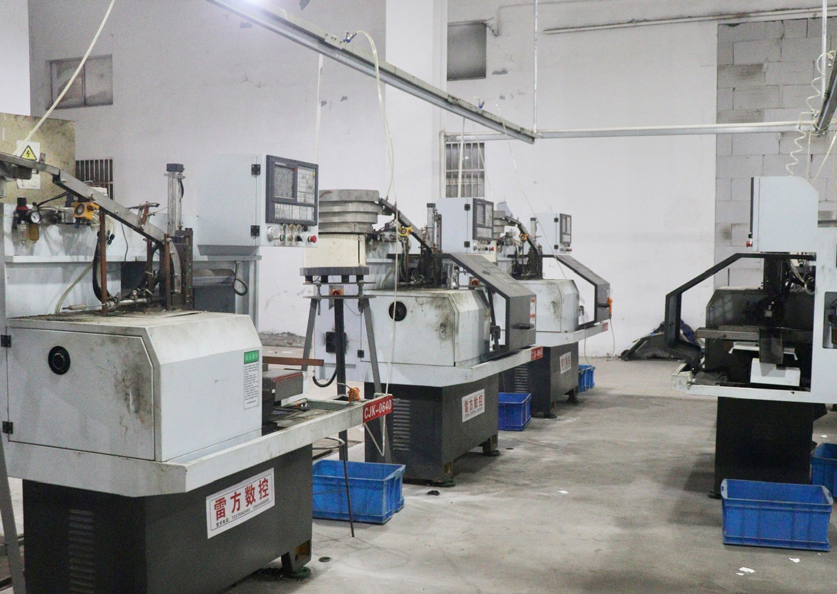
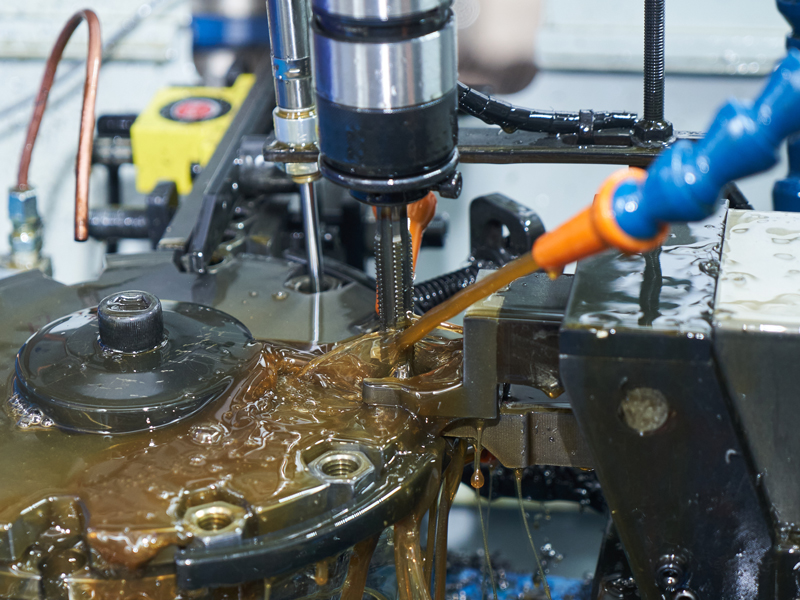
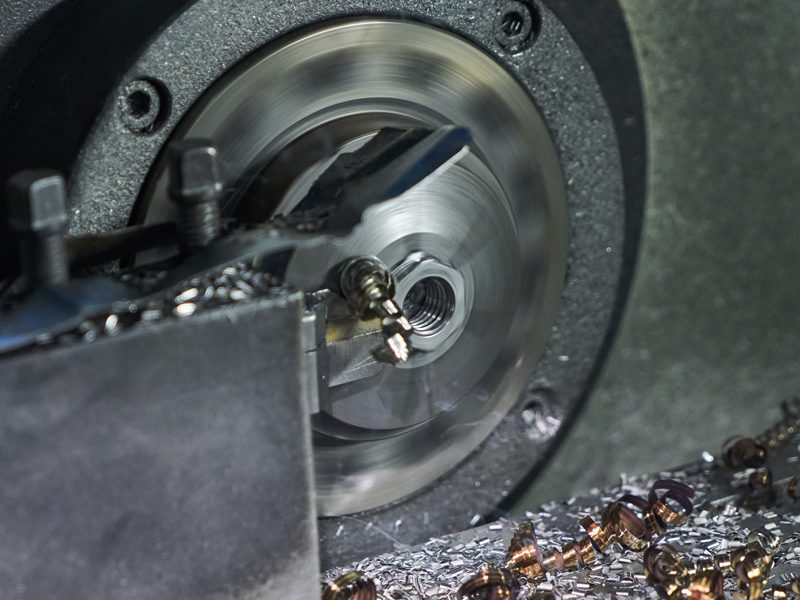
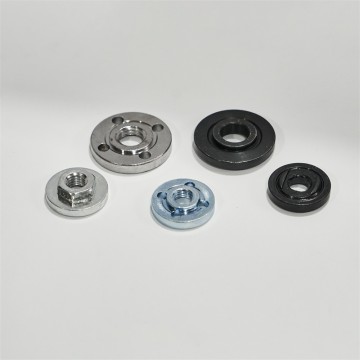
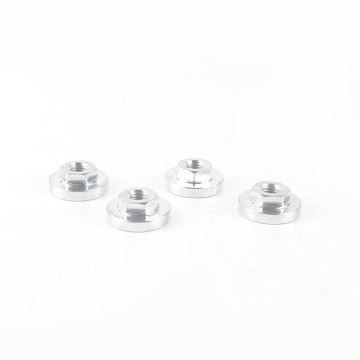
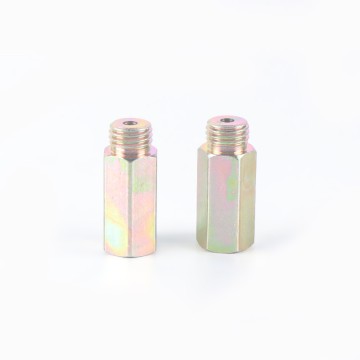
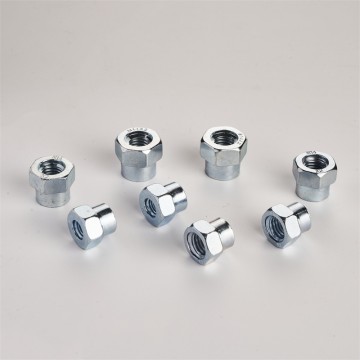
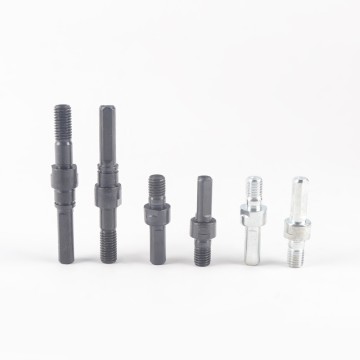
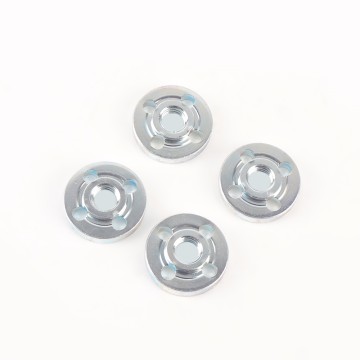
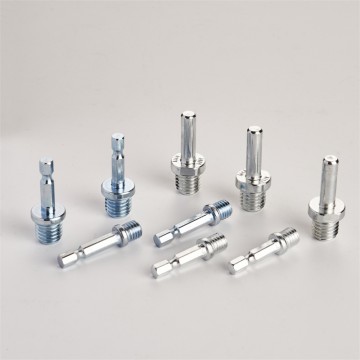
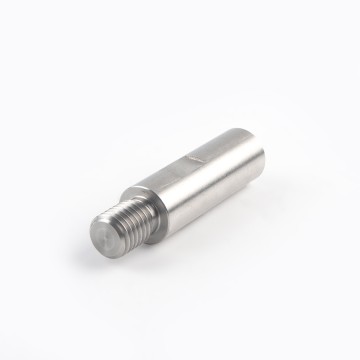
As angle grinder motors transition from corded AC power to high-output brushless DC battery platforms, the torque curves and instantaneous rotational acceleration have risen dramatically. This shift brings new engineering challenges: vibration resonance, premature wire fatigue, and spindle thread binding. High-precision CNC-machined conversion joints, balanced lower and upper pressure plates (such as 100, 125, 150, 180, and 230 models), and hardened M10/M14/5/8"-11 thread adapters are no longer mere accessories—they are the critical structural bridge ensuring concentricity (±0.05mm), operator safety, and zero slippage under severe descaling loads.